English
  русский
  عربى
عربى 
The global WPC wall panel indoor sector continues expanding as homeowners and designers seek decorative surfaces that combine natural aesthetics with practical performance. Market analysis indicates the wood-plastic composite building materials sector has reached significant scale, with WPC wall panel indoor products representing a growing segment driven by residential renovation and commercial interior projects worldwide.
What Major Types Define WPC Wall Panel Indoor Offerings?
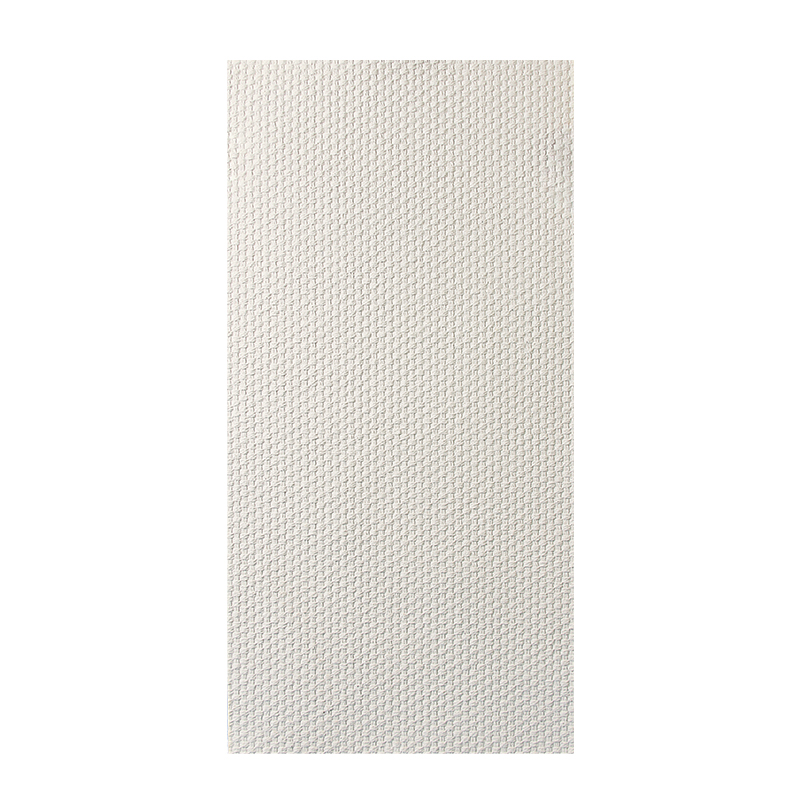
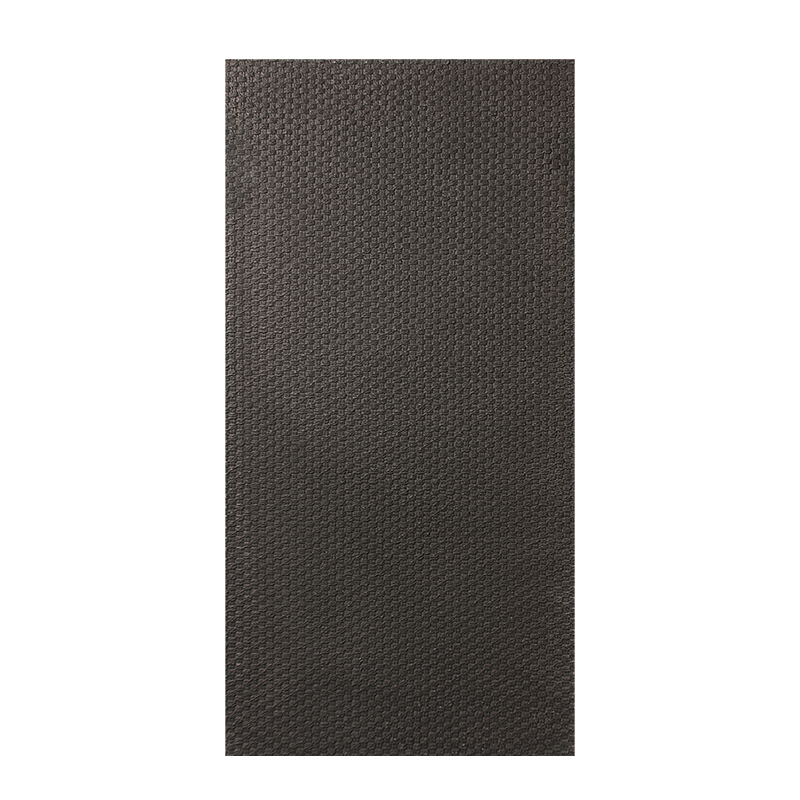
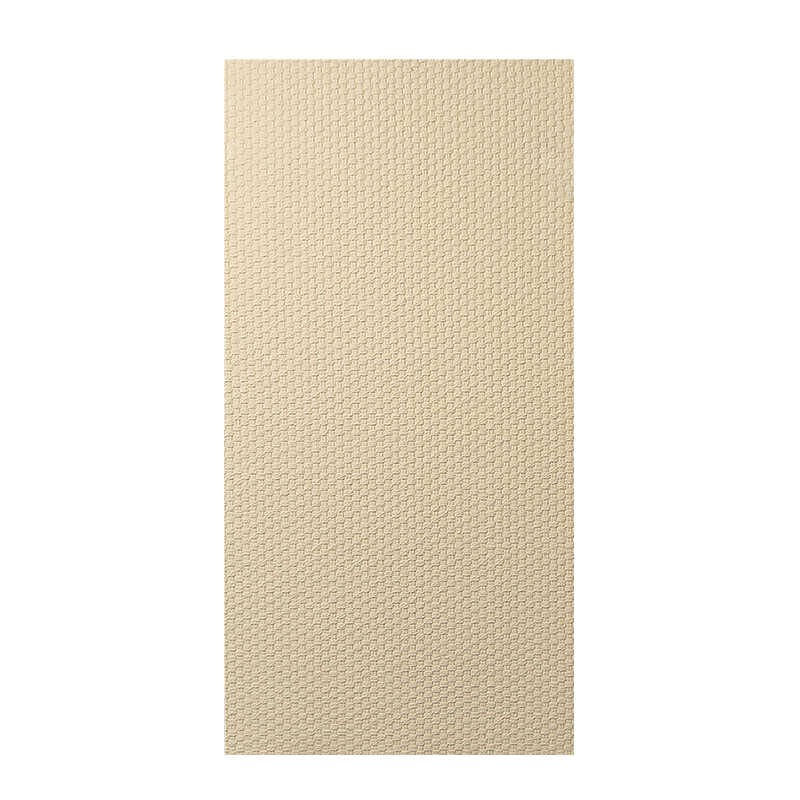
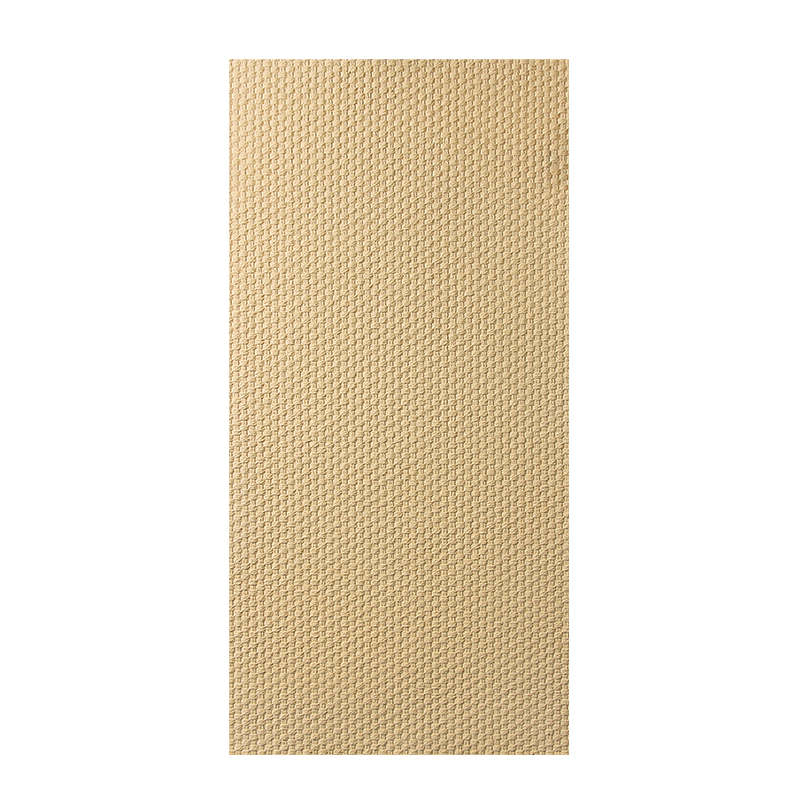
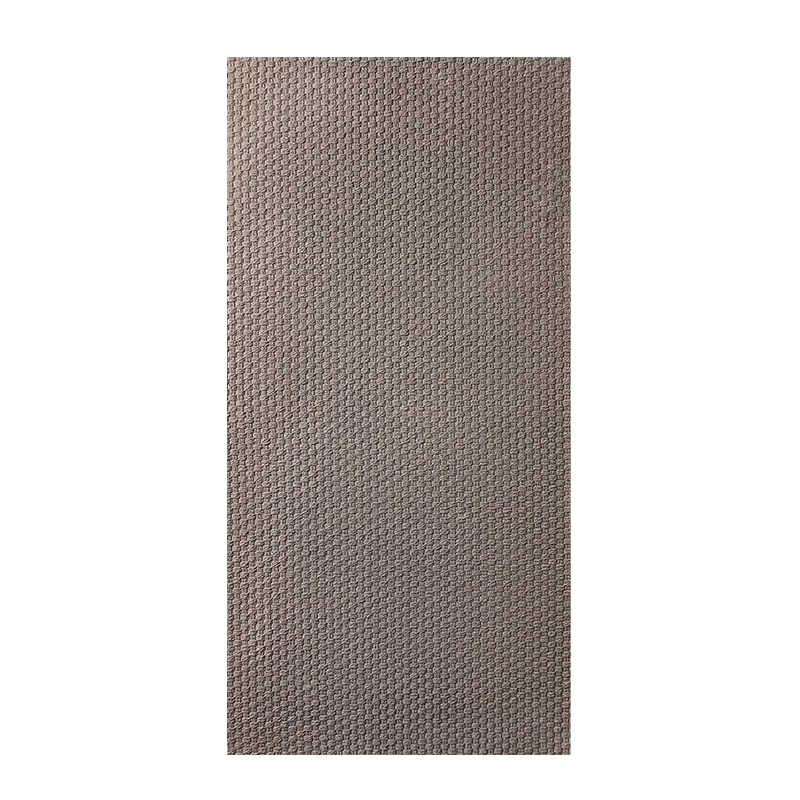
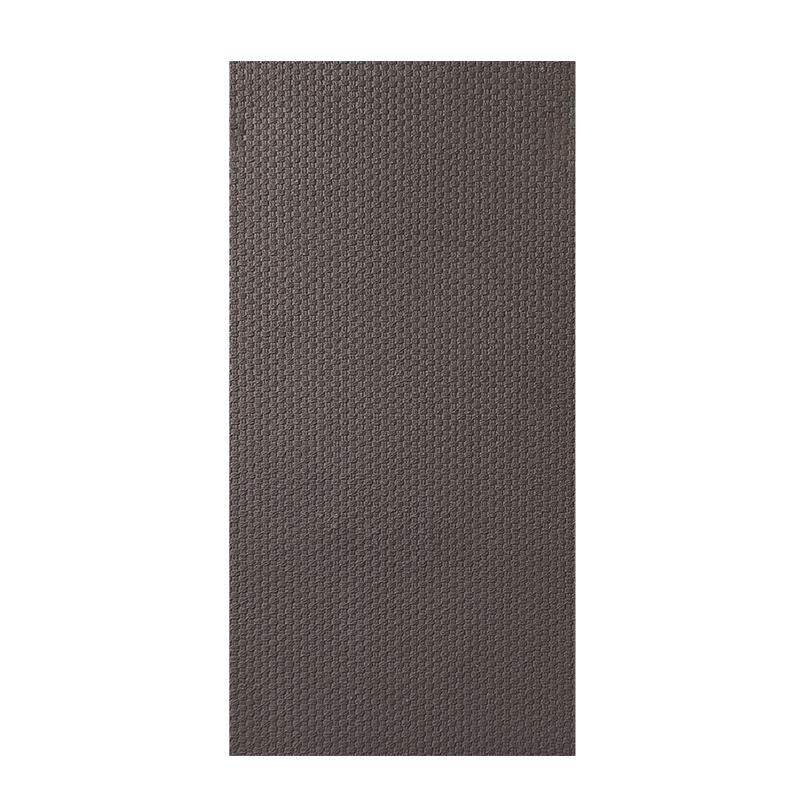
WPC wall panel indoor products are available in several configurations optimized for different applications and aesthetic preferences. Standard WPC wall panel indoor options feature smooth, flat surfaces with thicknesses ranging from 5 to 12 millimeters, suitable for full-wall coverage in bedrooms, living rooms, and corridors where clean, smallist appearance matters. Decorative WPC wall panel indoor variants incorporate embossed wood grain textures, three-dimensional patterns, or geometric designs that create visual focal points for accent walls in living rooms, hotel lobbies, and retail spaces. Waterproof WPC wall panel indoor grades are specifically formulated for kitchens, bathrooms, and basements, providing mold resistance and dimensional stability in high-humidity conditions.
What Material Properties Characterize Quality WPC Wall Panel Indoor Products?
The material composition of WPC wall panel indoor products typically contains 60 to 80 percent recycled wood fiber and 20 to 30 percent thermoplastic resin, with functional additives completing the formulation. Wood-plastic composite ratios significantly influence WPC wall panel indoor performance, with higher wood content providing more authentic natural appearance while higher plastic content improves water resistance for humid environments. Core construction options for WPC wall panel indoor include hollow profiles offering lighter weight and lower cost for standard interior applications, while solid profiles provide enhanced structural integrity for commercial spaces. Surface treatments on WPC wall panel indoor products include co-extruded protective layers that improve scratch resistance, UV coatings that prevent fading from sunlight exposure, and laminated films offering wood grain or stone pattern finishes.
What Design Applications Suit WPC Wall Panel Indoor Installations?
WPC wall panel indoor applications span residential and commercial spaces with distinct design requirements. In residential settings, living room television feature walls and bedroom headboard walls represent popular WPC wall panel indoor installations, where textured surfaces add visual interest without overwhelming limited space. Commercial applications including hotel guest rooms, office reception areas, retail stores, and restaurants increasingly specify WPC wall panel indoor for accent walls that combine durability with design versatility. Maintenance of WPC wall panel indoor requires only soft cloth cleaning with mild soap solution, with no painting, waxing, or sealing needed over the product lifetime.
The WPC wall panel indoor market appears positioned for continued growth as design professionals recognize the material's combination of aesthetic versatility and practical durability. These decorative panels will maintain their role as alternatives to traditional wall finishes in residential and commercial applications where moisture resistance, installation efficiency, and environmental performance drive material selection.
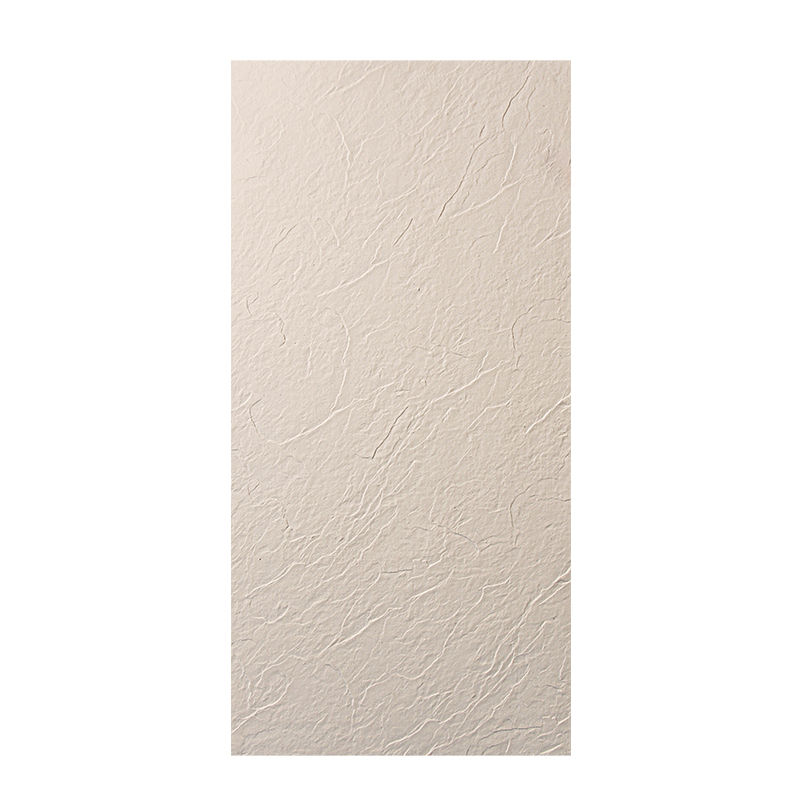
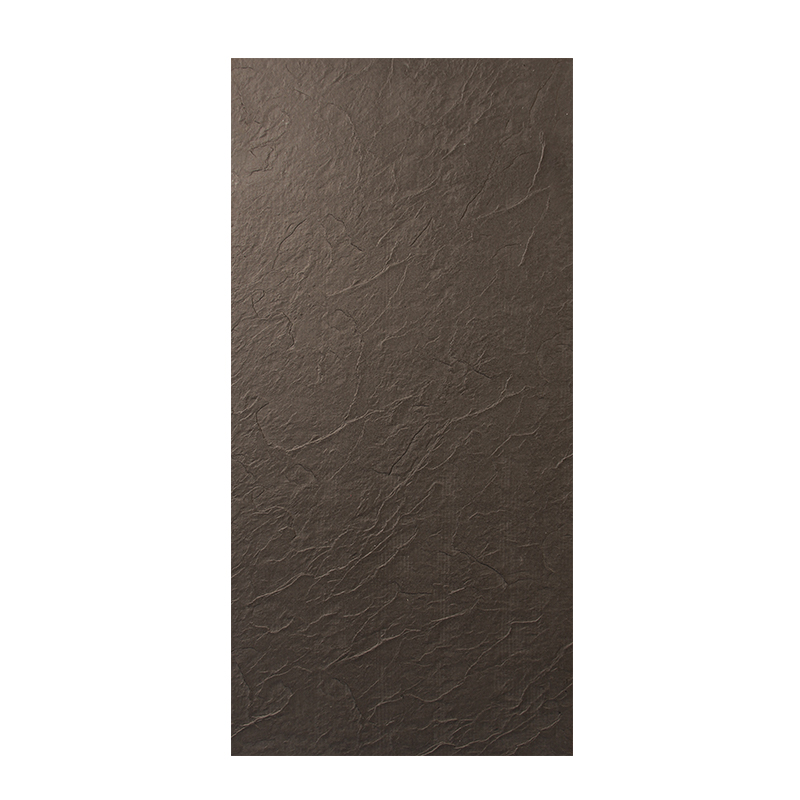
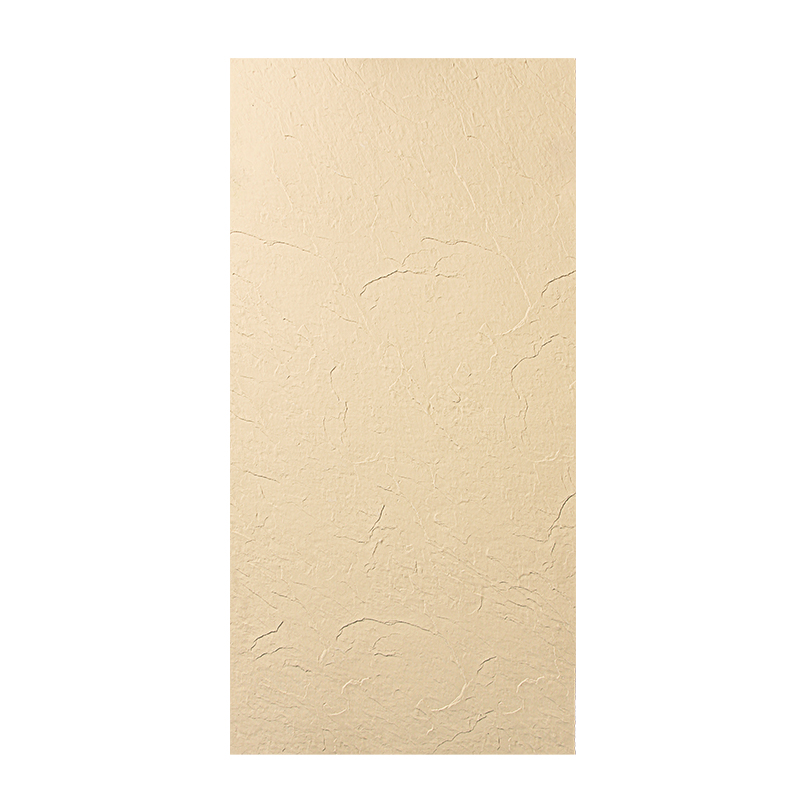
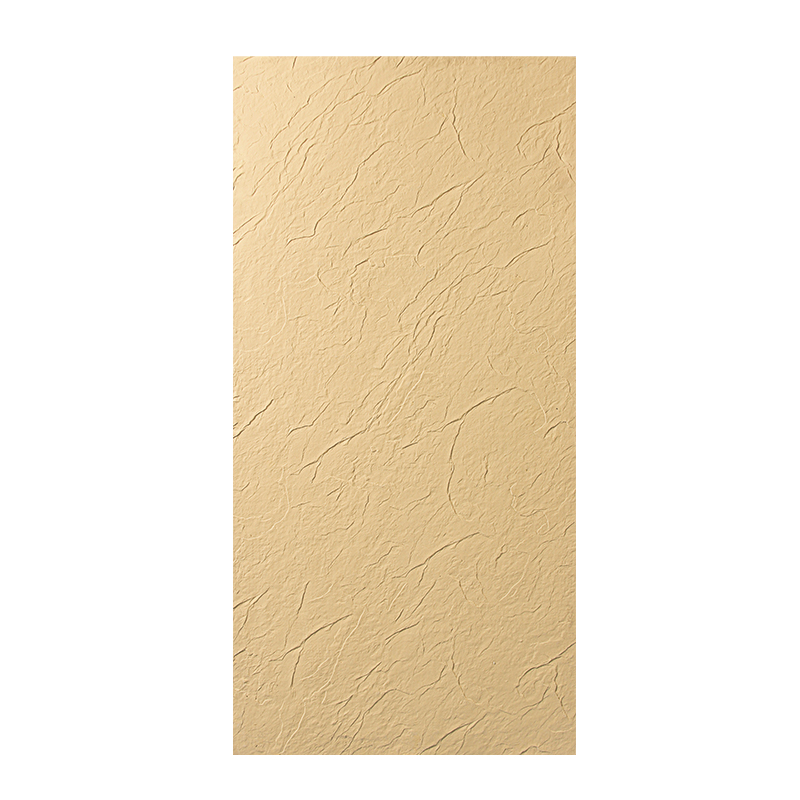
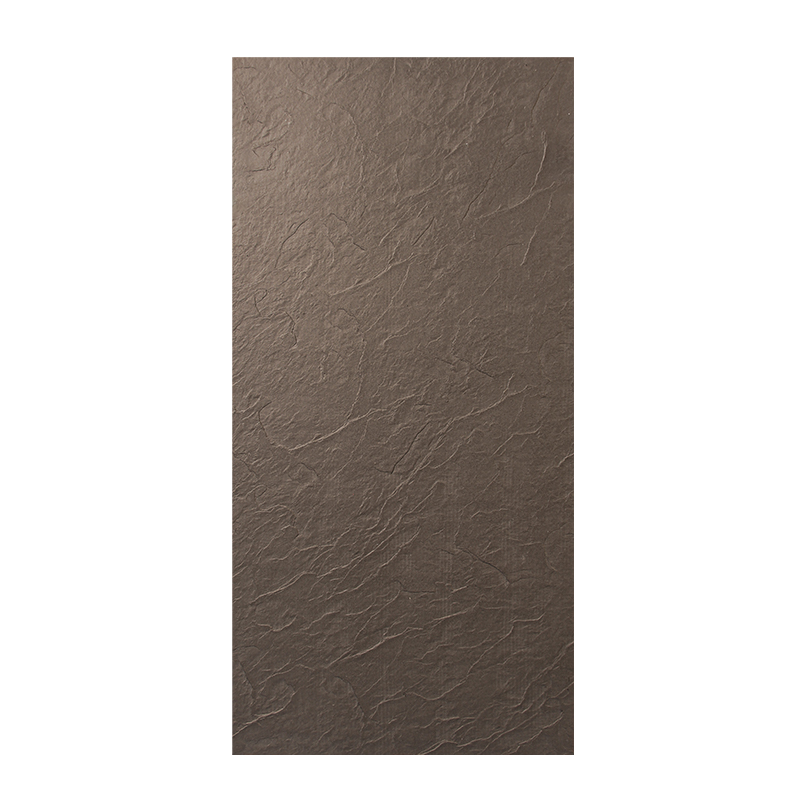
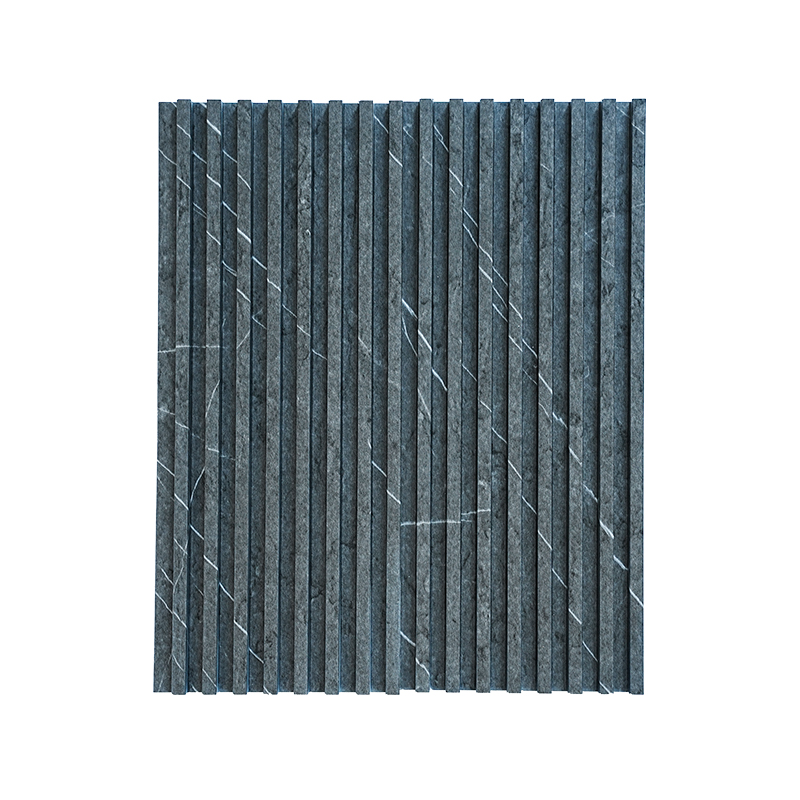
The Elegant Stone-textured Grey WPC Panel for Modern Cladding from Haining Commerce Imp & Exp Co., Ltd. delivers natural stone aesthetics with practical wood-plastic composite construction. Featuring realistic stone-textured surface patterns in an elegant grey finish, this panel creates sophisticated visual appeal for interior and exterior wall applications. The WPC material offers outstanding resistance to moisture, fading, and impact damage while remaining lightweight for simplified installation. Suitable for feature walls, commercial facades, residential living areas, and garden landscaping, the stone-textured design complements contemporary and industrial architectural themes. This panel offers durable stone-inspired cladding without natural stone weight or installation complexity.