English
  русский
  عربى
عربى 
The global WPC fluted wall panel sector continues expanding as architects and homeowners seek decorative surfaces that combine visual appeal with practical performance. Market analysis indicates the wood-plastic composite building materials sector has reached significant scale, with WPC fluted wall panel products representing a growing segment driven by residential renovation and commercial interior projects worldwide.
What Core Technical Properties Define WPC Fluted Wall Panel Quality?
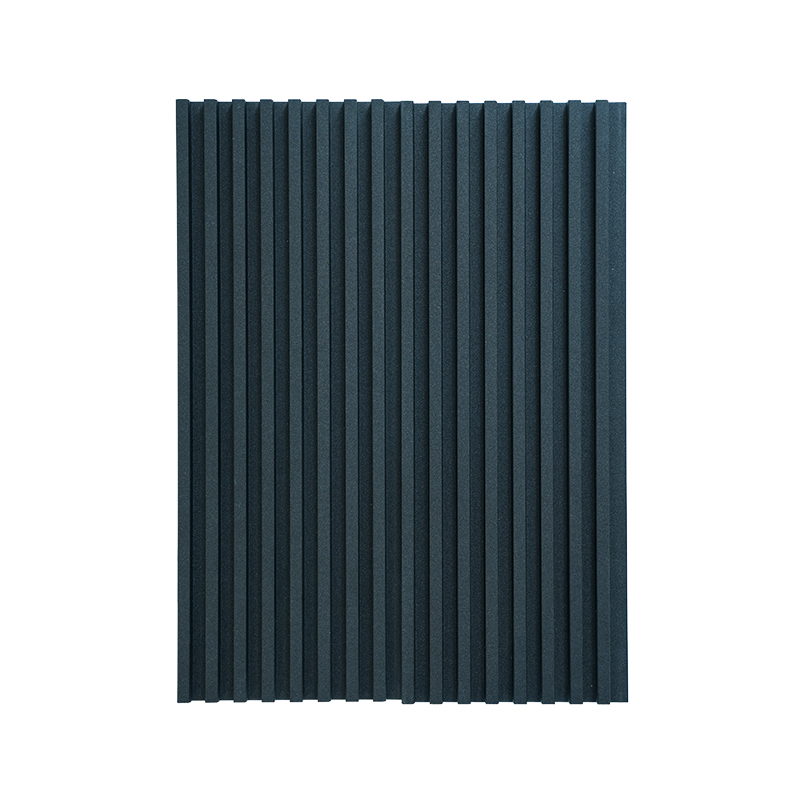
WPC fluted wall panel products are manufactured from wood-plastic composite materials typically containing 60 to 80 percent recycled wood fiber and 20 to 30 percent thermoplastic resin, with functional additives completing the formulation. The defining characteristic of WPC fluted wall panel construction lies in its water resistance, as the plastic component creates a barrier that prevents moisture absorption, allowing these panels to perform in bathrooms, kitchens, and other high-humidity environments where natural wood would swell or rot. UV stability additives enable WPC fluted wall panel installation in exterior applications, with temperature resistance ranging from minus 40 to 80 degrees Celsius. The fluted surface geometry of WPC fluted wall panel products creates vertical grooves that produce shadow effects and visual depth while also contributing to acoustic diffusion in interior spaces.
What Application Areas Suit WPC Fluted Wall Panel Installations?
WPC fluted wall panel applications span multiple sectors with distinct performance requirements and aesthetic preferences. Residential interiors represent the largest application segment, with living room feature walls, bedroom headboards, and hallway cladding utilizing WPC fluted wall panel to create textured surfaces that add visual interest without overwhelming small spaces. Commercial spaces including hotel lobbies, restaurants, and retail stores increasingly specify WPC fluted wall panel for accent walls, where the material combines durability with design versatility that supports brand identity. Office environments benefit from WPC fluted wall panel acoustic properties, as the grooved surface helps diffuse sound reflections, reducing echo in open-plan layouts and conference rooms.
What Industry Trends Shape WPC Fluted Wall Panel Development?
Several trends are driving evolution across the WPC fluted wall panel landscape. Color and finish options have expanded significantly, with manufacturers offering 12 or more standard wood grain colors and custom RAL or NCS matching services to meet designer specifications. Surface texture innovations include high-gloss UV coatings, matte finishes, and embossed wood grain patterns that enhance the tactile authenticity of WPC fluted wall panel products. Flexible WPC fluted wall panel variants have been developed for curved wall applications, allowing installation on cylindrical columns and arched surfaces that previously required specialized materials.
The WPC fluted wall panel market appears positioned for continued growth as design professionals recognize the material's combination of aesthetic versatility and practical durability. These decorative panels will maintain their role as alternatives to traditional wall finishes in applications where moisture resistance, installation efficiency, and environmental performance drive material selection.
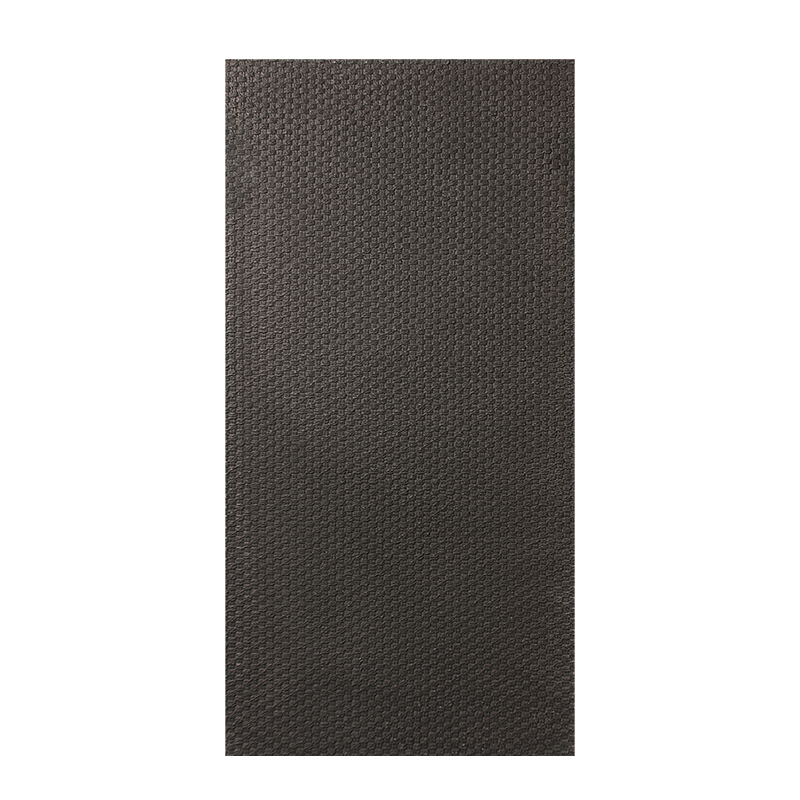
The Elegantly Striped Black WPC Panel for Contemporary Wall Cladding from Haining Commerce Imp & Exp Co., Ltd. delivers modern aesthetics for interior and exterior wall applications. Featuring refined striped patterns on a black WPC base, this panel creates visual depth and architectural interest. Constructed from wood-plastic composite material, it offers outstanding resistance to moisture, fading, and impact damage under normal conditions. Suitable for feature walls, commercial lobbies, residential living areas, and exterior facades, the striped design complements smallist and industrial design themes. The black finish provides dramatic contrast while hiding minor surface imsuperbions. Lightweight construction simplifies installation compared to natural wood or stone panels. Regular cleaning with a soft cloth preserves the striped pattern and surface appearance.