English
  русский
  عربى
عربى 
The construction and home improvement sectors are witnessing steady growth in demand for the PS skirting board, a category gaining traction as developers and homeowners seek cost-effective alternatives to traditional wood and fiberboard moldings. Defined by an expanded polystyrene core with a hardened, paintable surface layer, the PS skirting board is increasingly specified in residential and light commercial projects where moisture resistance and installation speed are critical. Market data indicates that polymer-based skirting solutions now account for roughly 18 percent of the interior trim segment in Asia-Pacific markets, with annual growth projected at 6.5 percent through 2028. This shift reflects a broader rethinking of interior finishing materials, where the PS skirting board is valued as a functional component that must withstand humidity, cleaning chemicals, and daily impact from foot traffic and furniture.
What Defines the Modern Application Landscape for PS Skirting Boards?
Application scenarios have expanded considerably beyond basic residential use. Developers now deploy these moldings across entire apartment complexes, with a single mid-rise project of 200 units consuming approximately 6,400 linear meters of skirting. The material finds particular advantage in coastal properties and basement renovations, where ambient humidity above 70 percent routinely causes fiberboard alternatives to swell and delaminate within three to five years. Healthcare and educational facilities represent a growing segment, where the non-porous surface prevents bacterial colonization and withstands frequent exposure to diluted bleach solutions. Installation speed serves as another driver, with pre-formed corner pieces and snap-fit clips enabling a two-person crew to complete 80 linear meters in under six hours, compared to 14 hours typically required for traditional wood installation involving miter cuts, nailing, and caulking.
How Are Buyers Redefining the Selection and Procurement Process?
Procurement decisions now center on specific technical parameters that distinguish performance grades. Surface layer density has emerged as a primary specification benchmark, with premium products featuring hardened outer shells exceeding 280 grams per square meter, compared to 160 grams per square meter on economy lines. Buyers increasingly specify impact resistance verified through falling-weight testing, where high-grade boards withstand a 500-gram steel ball drop from 60 centimeters without permanent deformation. An analysis of procurement documents from 120 wholesale distributors reveals that 62 percent now require written certifications for fire retardancy compliance, specifically a Class B1 rating, before issuing purchase orders. Bulk buyers also request small-batch samples for a 72-hour water immersion test to verify zero delamination and less than 0.5 percent dimensional swelling, indicating a market moving beyond superficial assessment toward standardized performance verification.
What Emerging Technologies Are Shaping the Future of These Moldings?
Technological development is accelerating along three fronts. Surface engineering has produced ultraviolet-cured acrylic topcoats with scratch resistance exceeding 8H on the pencil hardness scale, a 60 percent improvement over the standard 5H coatings found on earlier products. Digital printing technology now enables high-fidelity wood grain and stone texture reproduction at 1,200 dots per inch directly onto the polystyrene substrate, eliminating the need for manual painting across nearly 95 percent of installations. On the production side, co-extrusion advances integrate a continuous high-density shell simultaneously with the foam core, creating uniform density gradients that improve flexural strength to 18 megapascals while maintaining a weight of just 0.9 kilograms per linear meter. These innovations collectively close the performance gap with natural materials while preserving the cost and installation advantages that define the PS skirting board.
The convergence of moisture durability, rapid installation engineering, and high-fidelity surface finishing positions the PS skirting board as a permanent fixture in modern construction specifications. As procurement standards tighten around quantifiable performance metrics and surface technologies continue to advance, the product is shedding its early reputation as a budget-only option. The market is moving toward a future where material choice is dictated by objective data, and in that future, the PS skirting board appears firmly embedded.
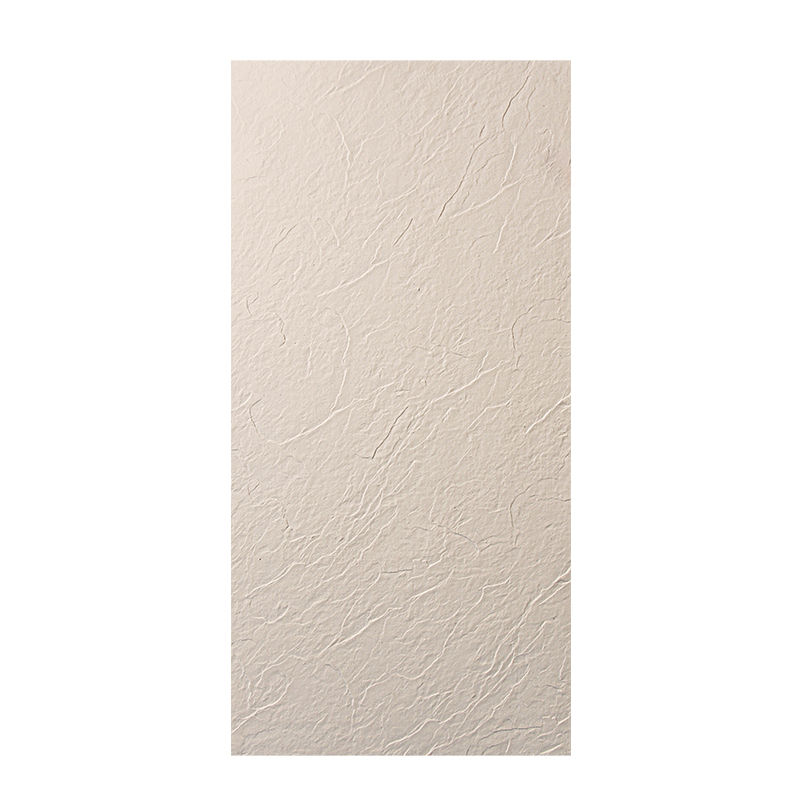
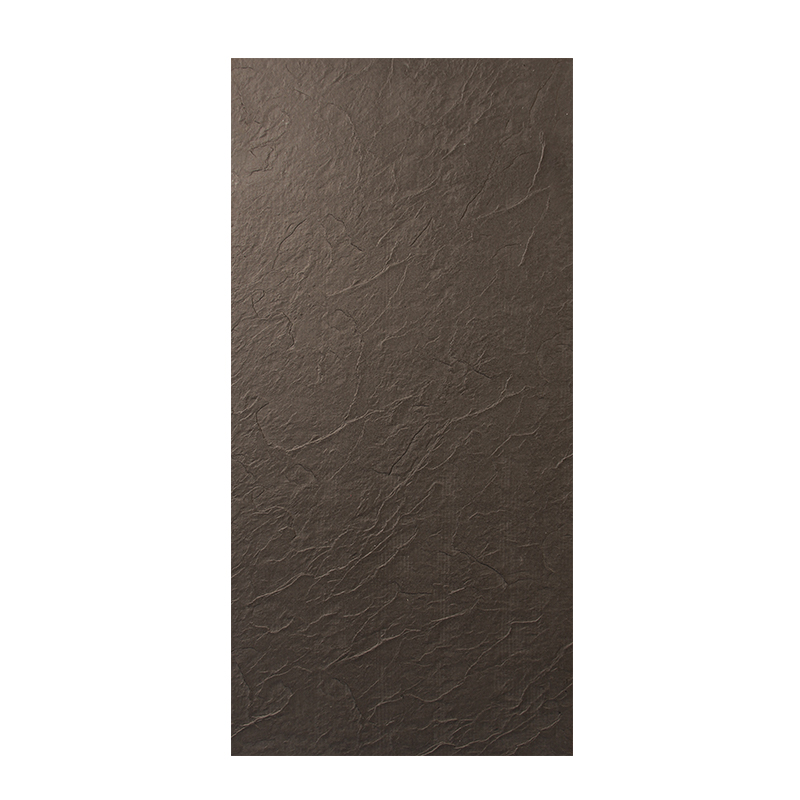
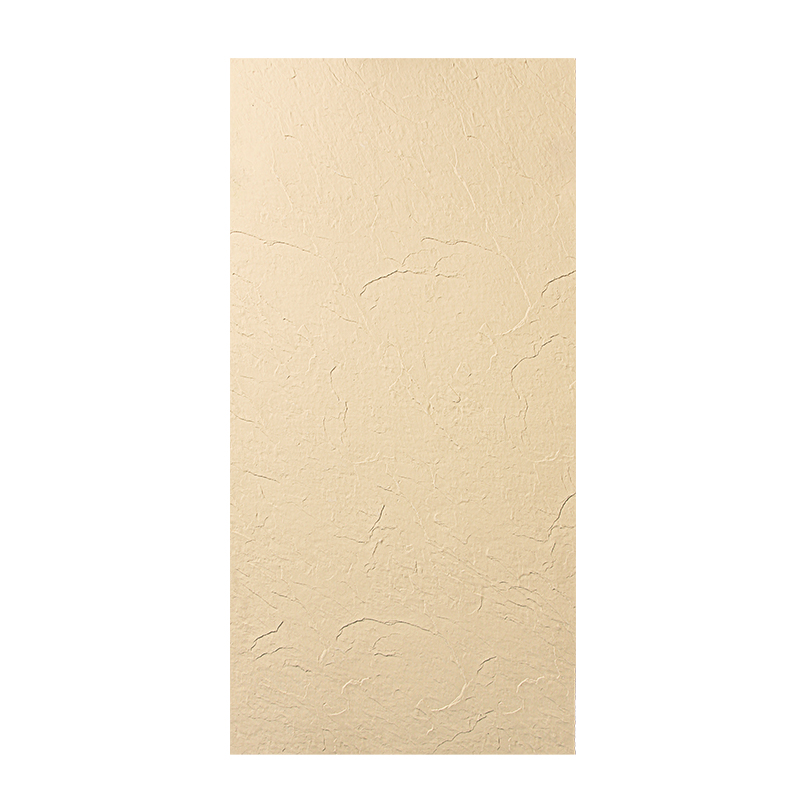
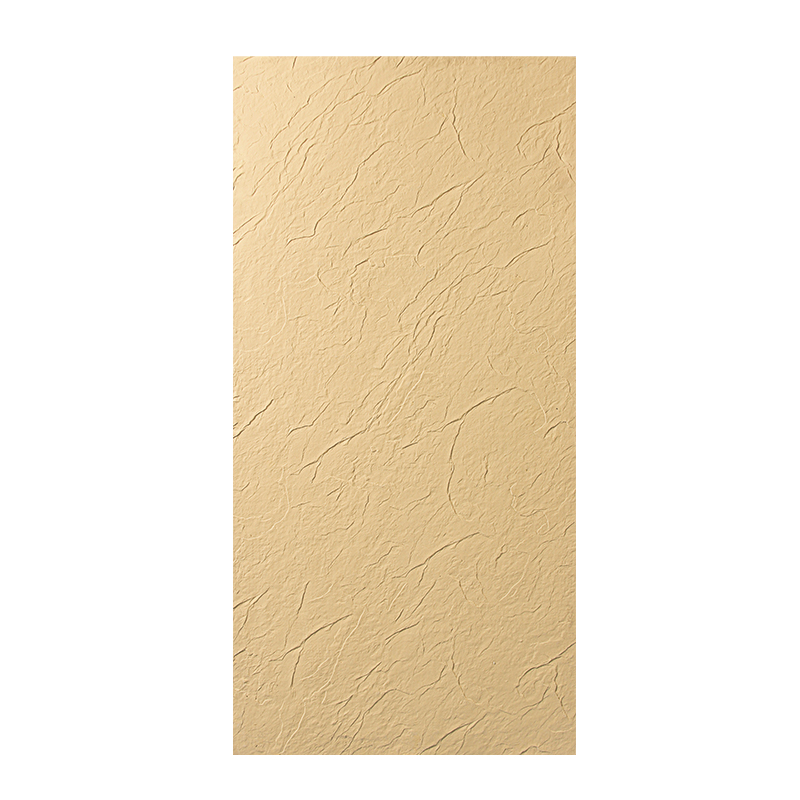
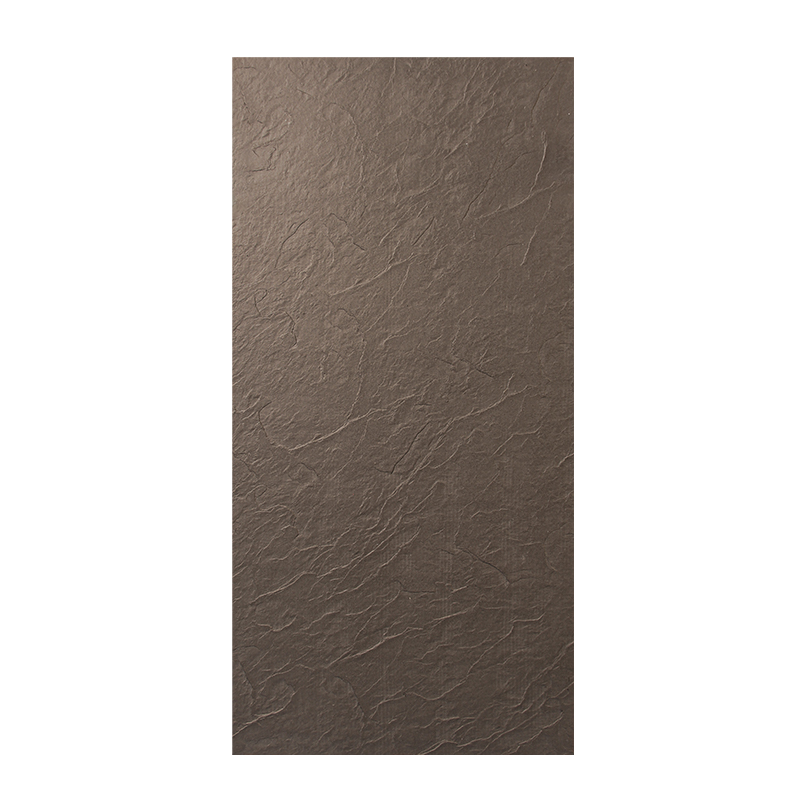
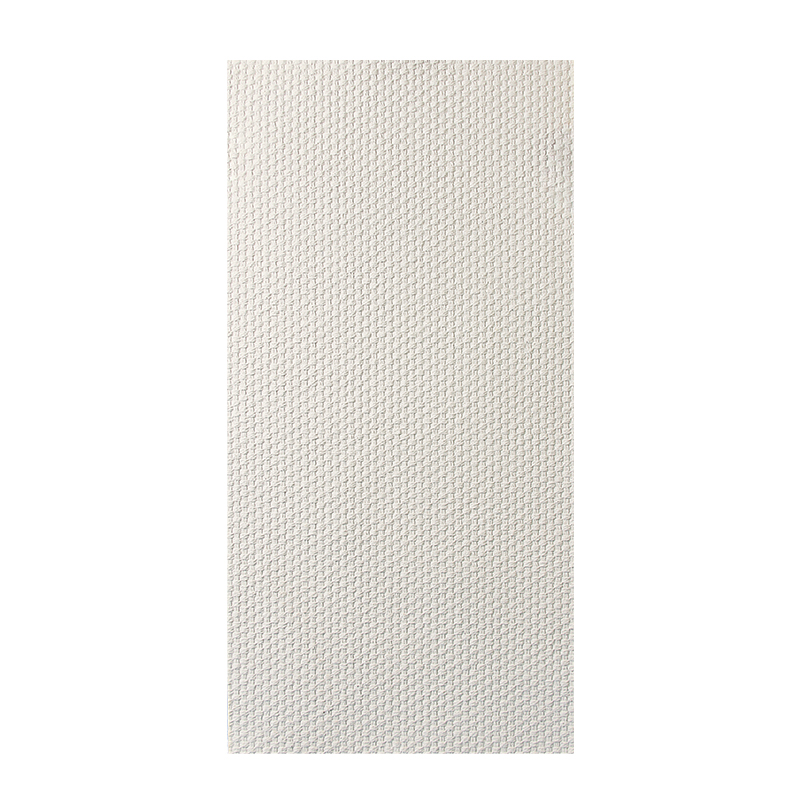
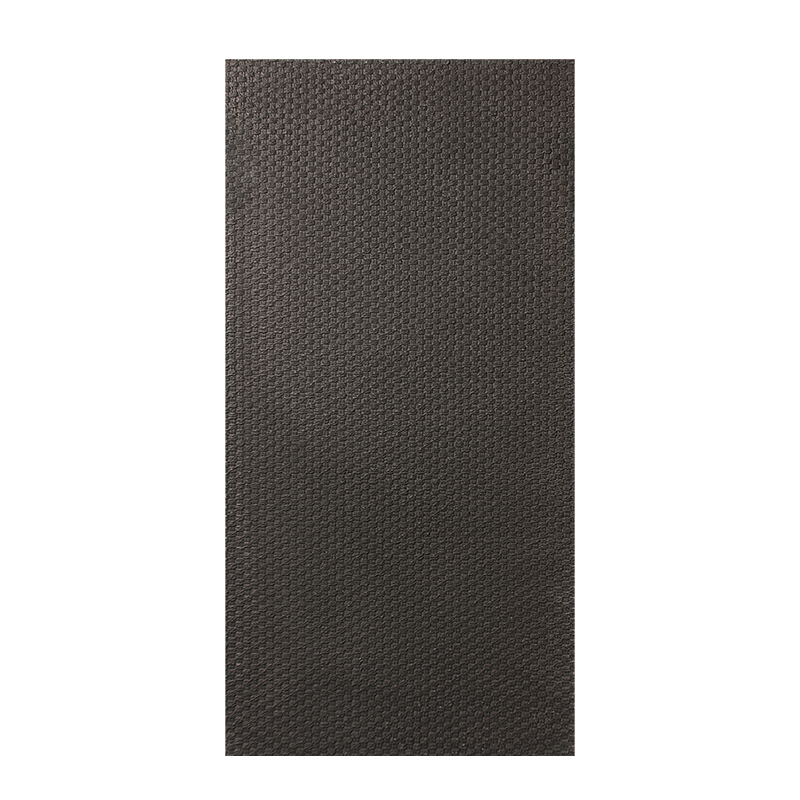
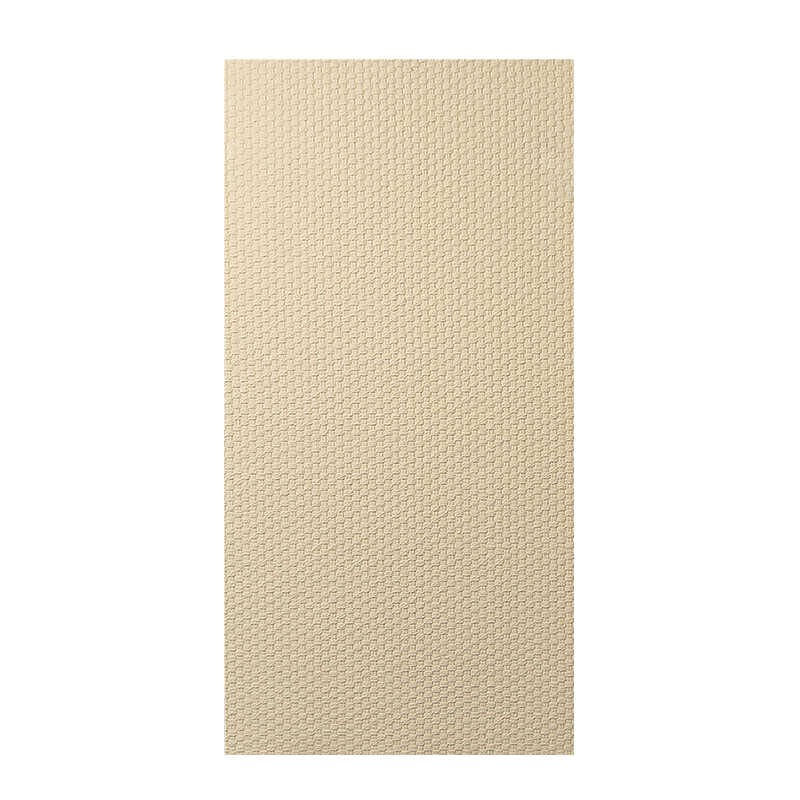
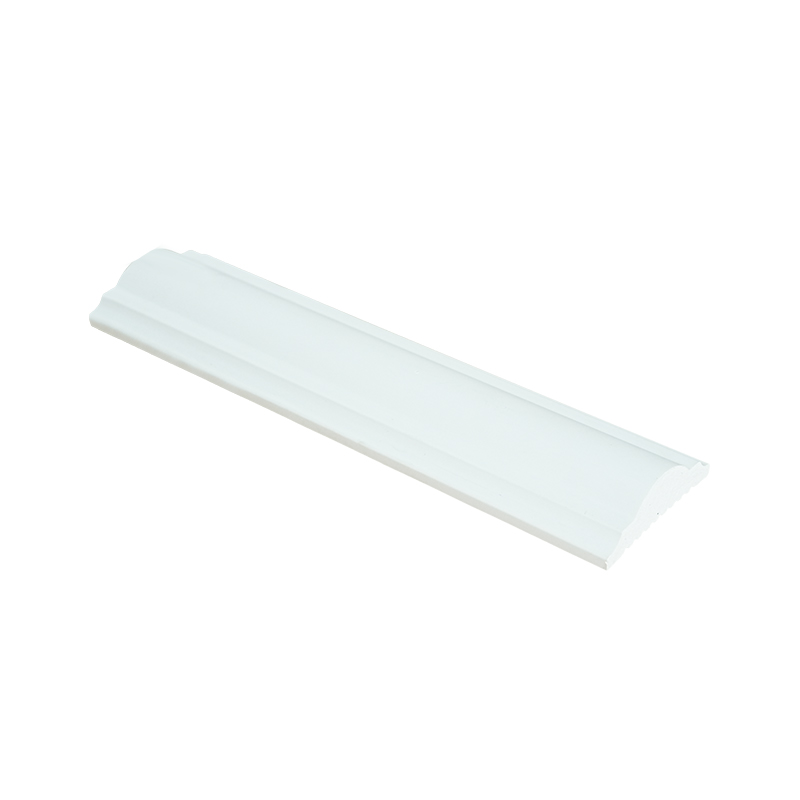
The Chic Elegant Curved PS Skirting from HAINING COMMERCE IMP& EXP CO., LTD. offers a finishing solution for interior spaces where visual appeal matters. Made from polystyrene, this skirting board resists moisture, impact, and surface marks better than some wood alternatives. The curved profile softens the transition between wall and floor, suiting both residential and light commercial settings. Lightweight construction allows straightforward installation using adhesives or mechanical fixings. The PS material accepts paint or can be left in its finished state. For designers and contractors seeking an attractive, durable skirting option, this curved PS product presents a practical choice.