English
  русский
  عربى
عربى 
Foam skirting PS provides a lightweight solution for finishing the junction between walls and floors in residential and commercial spaces. Made from polystyrene foam, this type of skirting board offers a clean line that conceals gaps and adds a polished appearance to rooms. Builders and designers incorporate foam skirting PS into projects where ease of handling and consistent profiles matter during construction or renovation activities.
Characteristics of Foam Skirting PS Materials
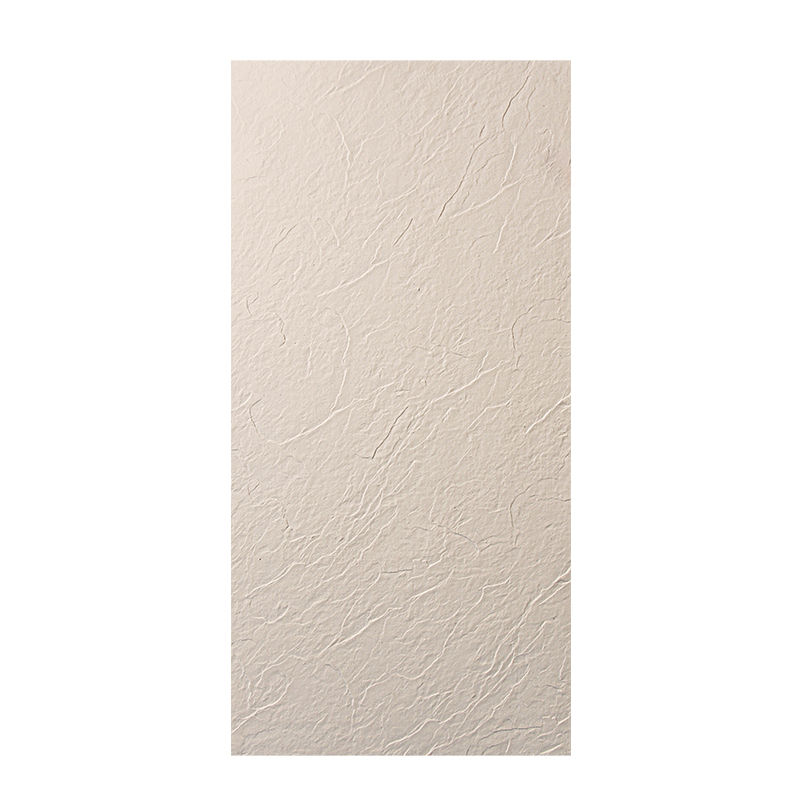
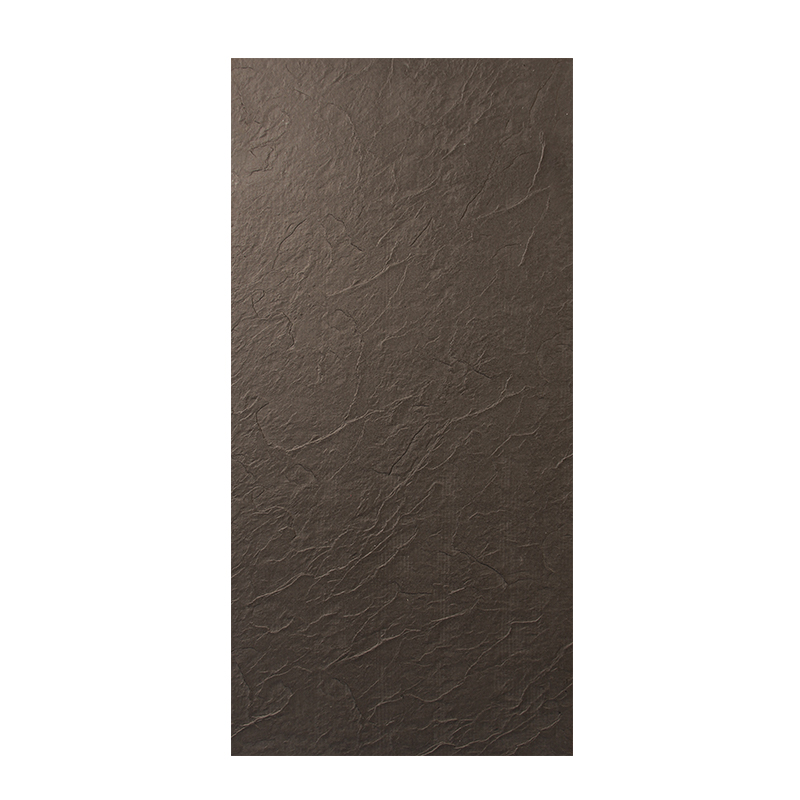
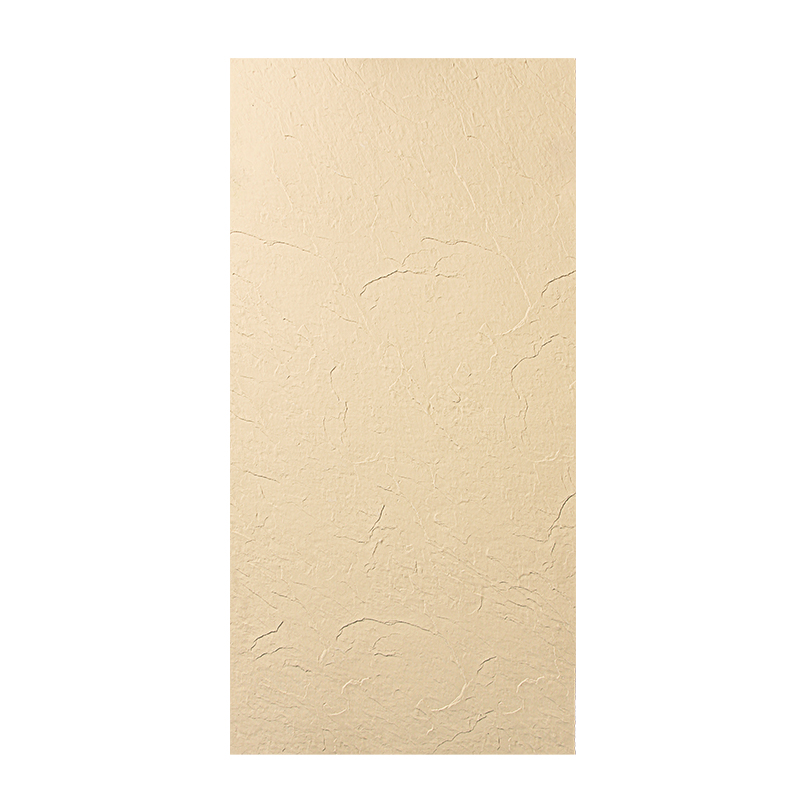
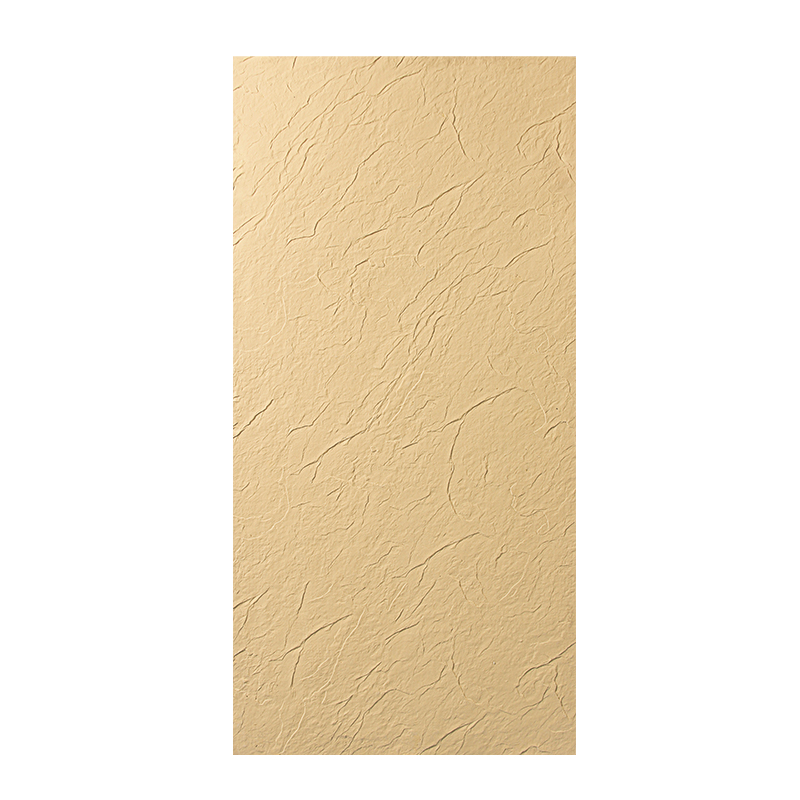
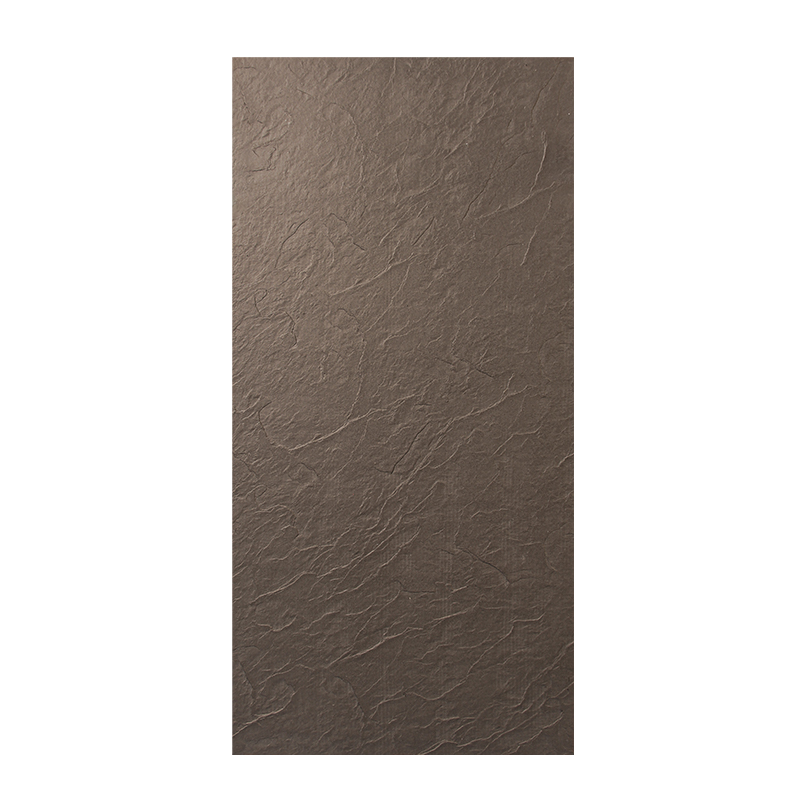
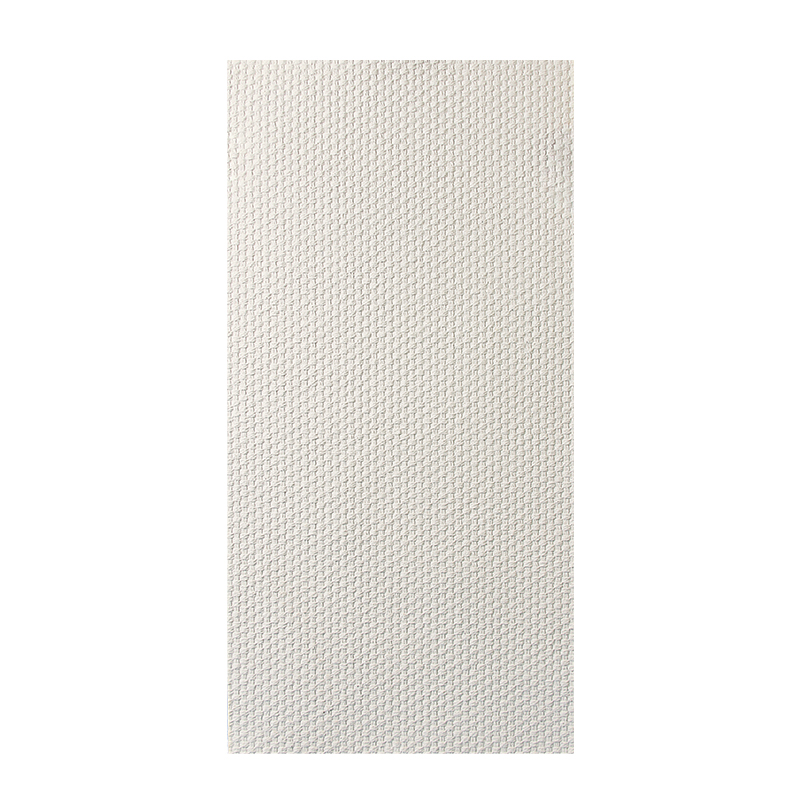
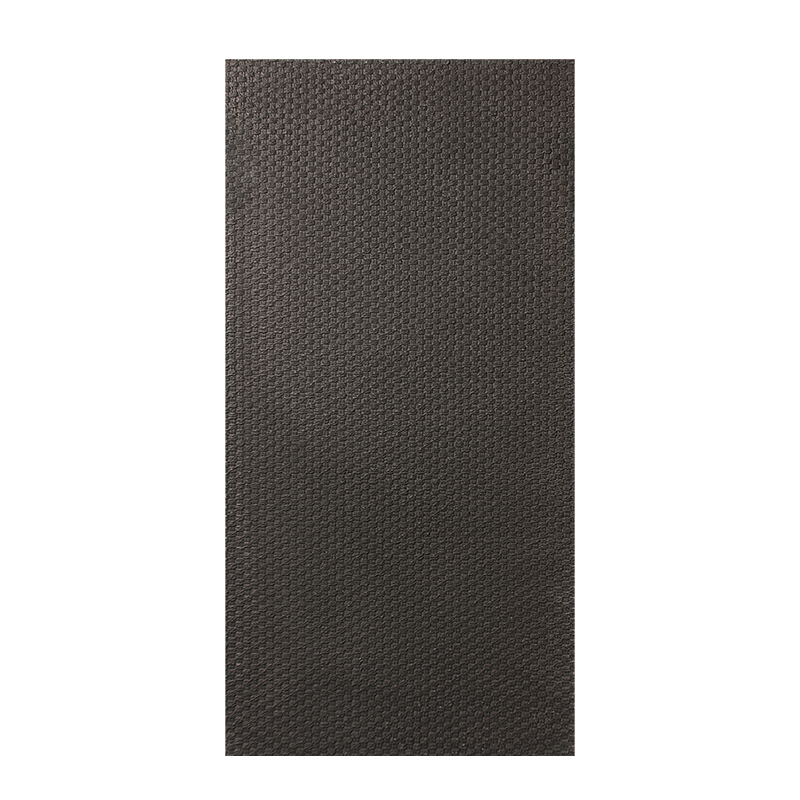
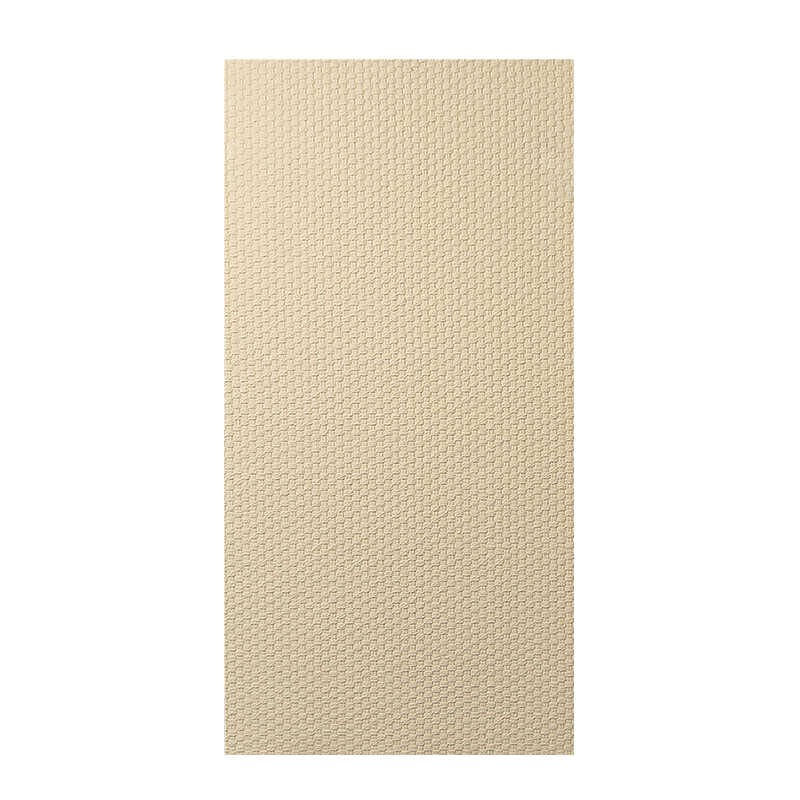
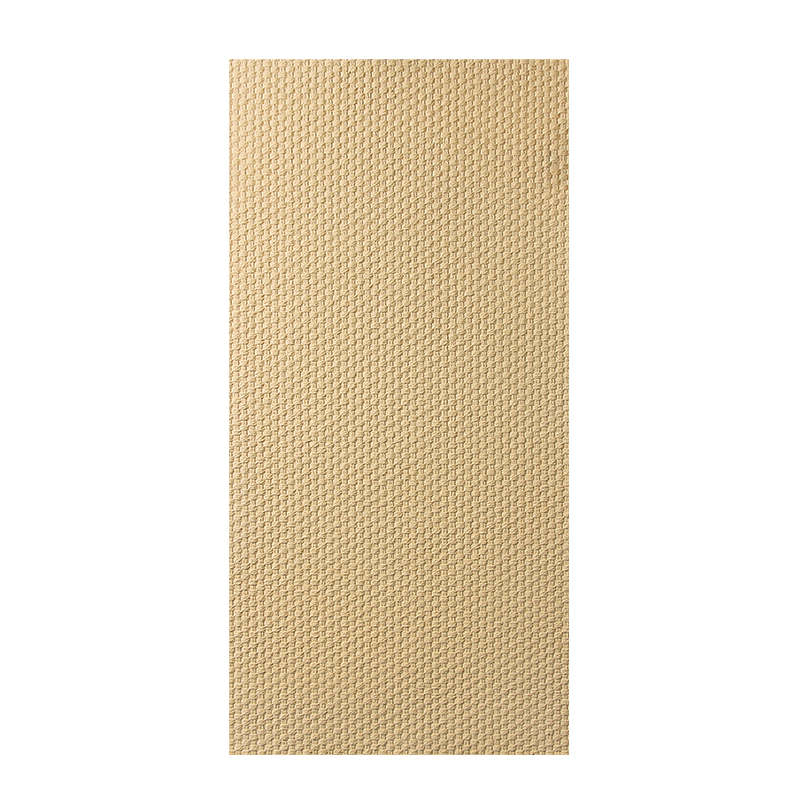
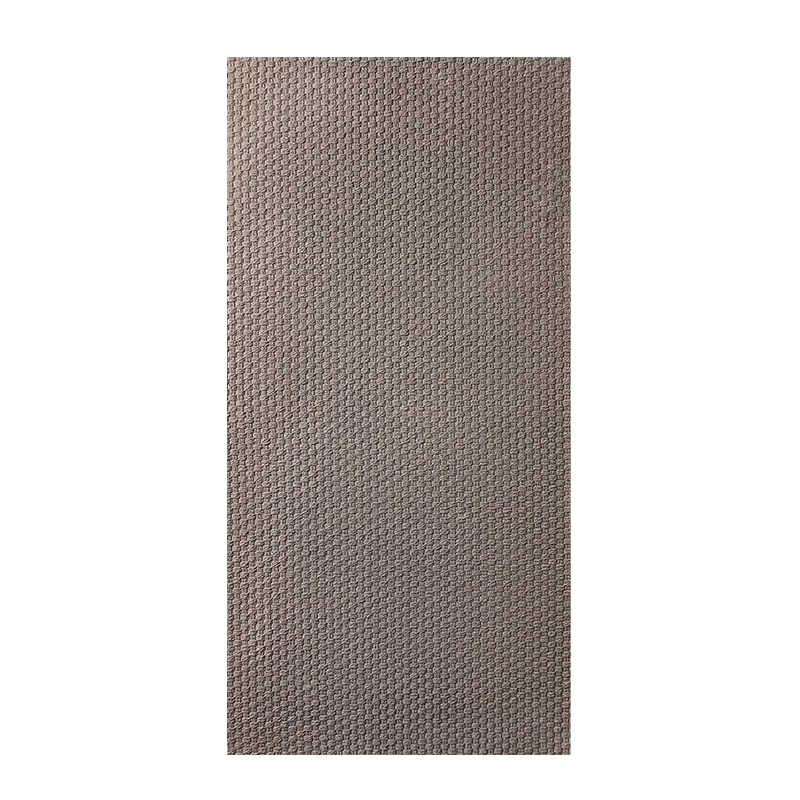
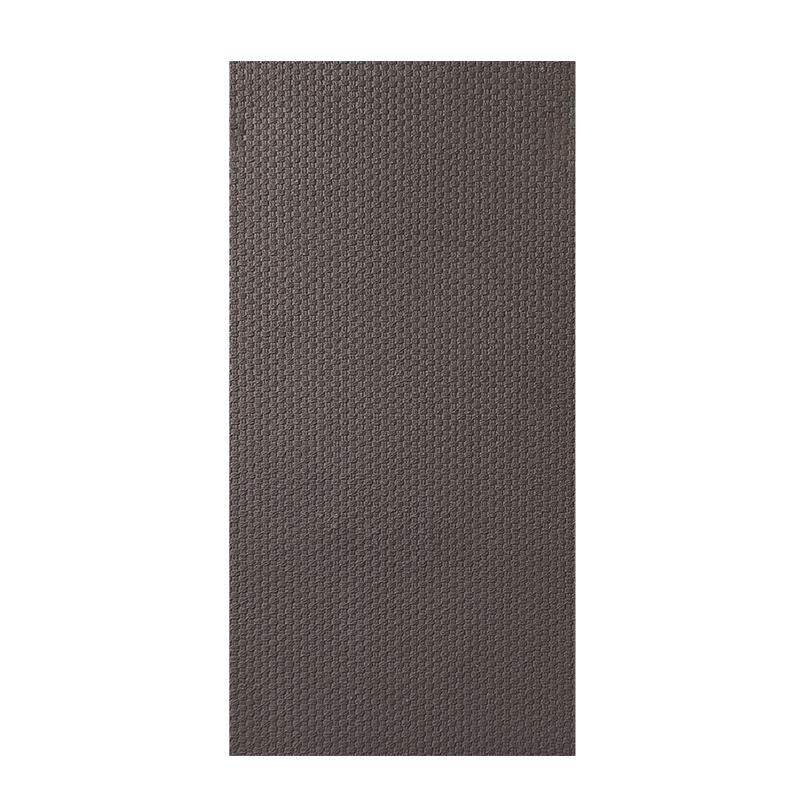
Foam skirting PS consists of expanded polystyrene that undergoes shaping processes to form various profiles. The material features a density level suitable for maintaining structural form while remaining easy to cut and fit on site. Manufacturers produce foam skirting PS in standard lengths that align with common wall dimensions, allowing for straightforward coverage in rooms of different sizes. Surface textures on these profiles range from smooth finishes to patterns that resemble traditional wood or plaster mouldings, giving installers options to match surrounding decor elements.
Common Applications in Building Projects
In residential settings, foam skirting PS appears along the base of living rooms, bedrooms, and hallways to create a seamless transition from floor to wall. Commercial projects such as office buildings and retail stores also utilize this skirting to maintain uniform aesthetics across large floor areas. Foam skirting PS works well with various floor coverings including carpet, laminate, and tile surfaces. Its adaptability supports use in both new constructions and updates to existing structures where updates to base trim are required.
Design Features of Foam Skirting PS Profiles
Profiles made with foam skirting PS come in a selection of heights and shapes to accommodate different architectural styles. Some versions include pre-formed corners and joints that simplify assembly around room perimeters. The lightweight nature of foam skirting PS reduces the load on walls compared to heavier alternatives, which can simplify handling during installation phases. Many designs incorporate recessed channels or shadow lines that add visual depth without complicating the overall look of the space.
Integration with Other Interior Elements
Design teams pair foam skirting PS with crown mouldings, door casings, and wall panels to create coordinated interior schemes. The material accepts paints and finishes that allow it to blend with color schemes used on walls and ceilings. In rooms with underfloor heating systems, the insulating properties of polystyrene in foam skirting PS help manage temperature variations near the floor level. This compatibility makes foam skirting PS a practical choice for a range of interior configurations.
Industry Context for Foam Skirting PS Usage
The demand for foam skirting PS follows general activity in the construction and renovation sectors. Housing developments and commercial fit-outs create steady requirements for interior trim components like these. Foam skirting PS supports modular building approaches where standardized elements speed up assembly. Distributors stock common profiles to meet orders from contractors working on projects of varying scales.
Production of foam skirting PS involves extrusion and moulding techniques that ensure dimensional accuracy for each piece. Quality checks during manufacturing focus on profile consistency and surface integrity. These steps help deliver products that perform reliably once installed in finished spaces.
Overall, foam skirting PS serves as a functional and versatile option for completing interior wall details in contemporary building practices. Its combination of form and practicality continues to support its place in projects focused on efficient and attractive room finishes.