English
  русский
  عربى
عربى 
Stone has been a preferred surface material in architecture and interior design for centuries, valued for its texture, depth, and natural variation. The challenge has always been weight and rigidity — traditional stone cladding is heavy, difficult to handle, and limited to flat or simply curved surfaces. Flexible stone wall panels change that equation. By bonding a thin slice of natural stone to a flexible backing material, manufacturers have created a product that carries the visual and tactile qualities of real stone while behaving more like a sheet material during installation. That combination is reshaping how stone surfaces get used in both residential and commercial projects.
The construction of a flexible stone wall panel starts with natural stone — slate, quartzite, sandstone, and mica-bearing stones are among the types commonly processed into this format. The stone is split or cut to a very thin layer, typically between 1mm and 3mm thick. At that thickness, certain stone types exhibit a degree of natural flexibility, particularly those with a layered or foliated mineral structure like slate. The thin stone layer is then laminated onto a backing material — commonly fiberglass mesh, non-woven fabric, or a polymer sheet — which reinforces the panel, prevents cracking during handling, and contributes to the overall flexibility of the finished product. Some panels also carry a protective coating on the exposed stone face to reduce moisture absorption and surface staining.
Key Characteristics of Flexible Stone Wall Panels
What distinguishes flexible stone wall panels from conventional stone cladding comes down to a few physical and practical properties:
- Light weight: A flexible stone panel is a fraction of the weight of a standard stone tile or slab of equivalent face area. This makes the material suitable for wall applications where load-bearing capacity is limited, including high-rise interiors, renovations over existing wall finishes, and furniture or joinery surfaces.
- Flexibility and conformability: Depending on the stone type and backing, panels can be curved, wrapped around columns, applied to slightly irregular surfaces, or bent to fit curved architectural elements without cutting or special fabrication.
- Real stone appearance: Because the surface layer is genuine natural stone rather than a printed or cast imitation, the texture, color variation, and surface character are authentic. Each panel carries the natural patterning of the specific stone type used.
- Ease of cutting: Flexible stone panels can be cut with standard tools including scissors, utility knives, or angle grinders depending on thickness and backing type. This simplifies on-site fabrication compared to working with conventional stone tiles.
- Adhesive installation: Most flexible stone wall panels are installed using tile adhesive, contact cement, or construction adhesive directly onto prepared wall substrates. The lightweight nature of the panels reduces the structural demands on the fixing system.
Stone Types and Visual Options
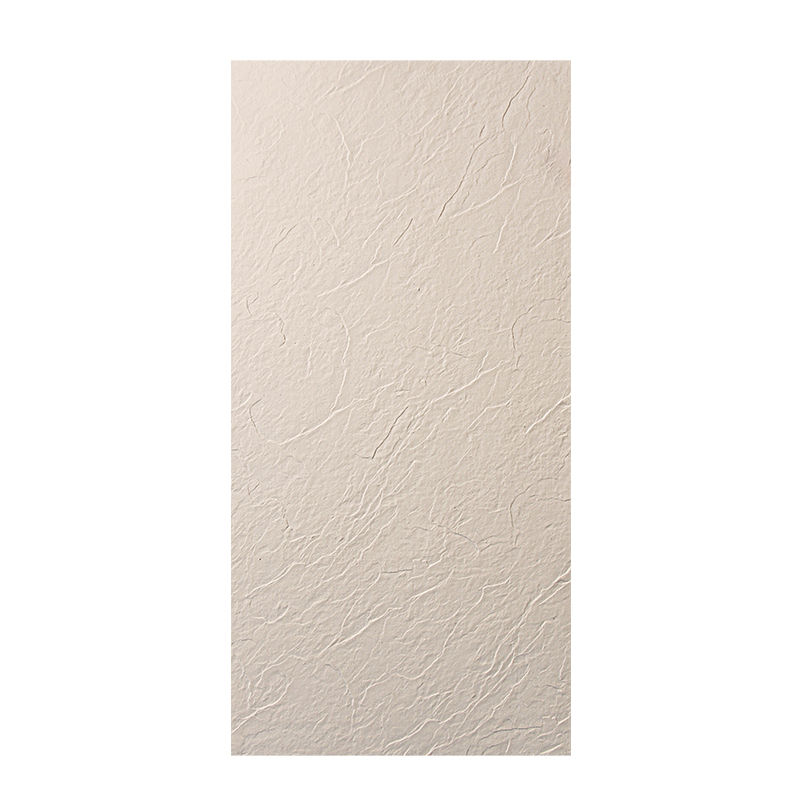
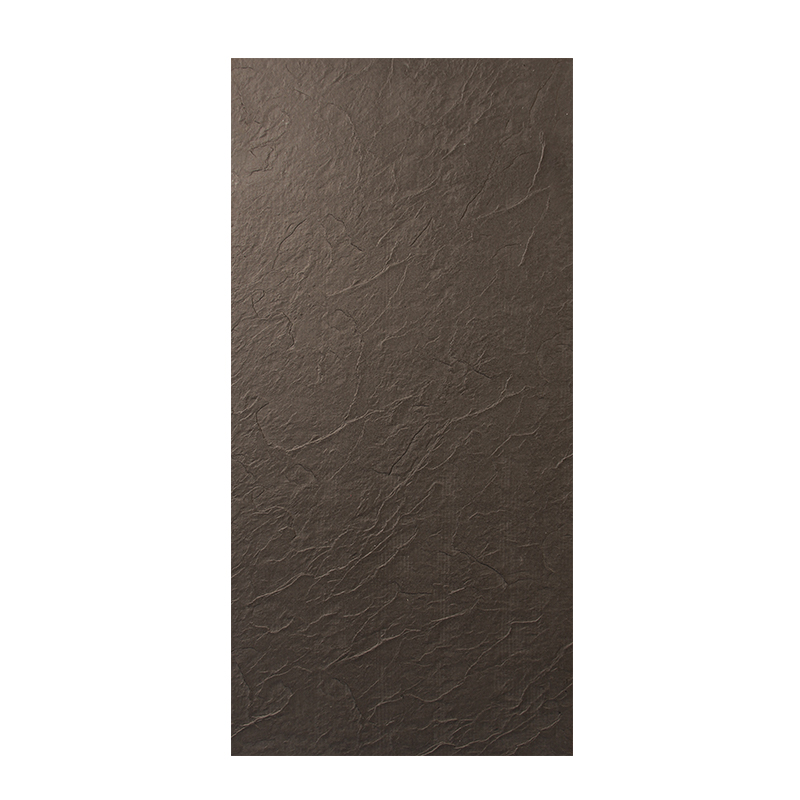
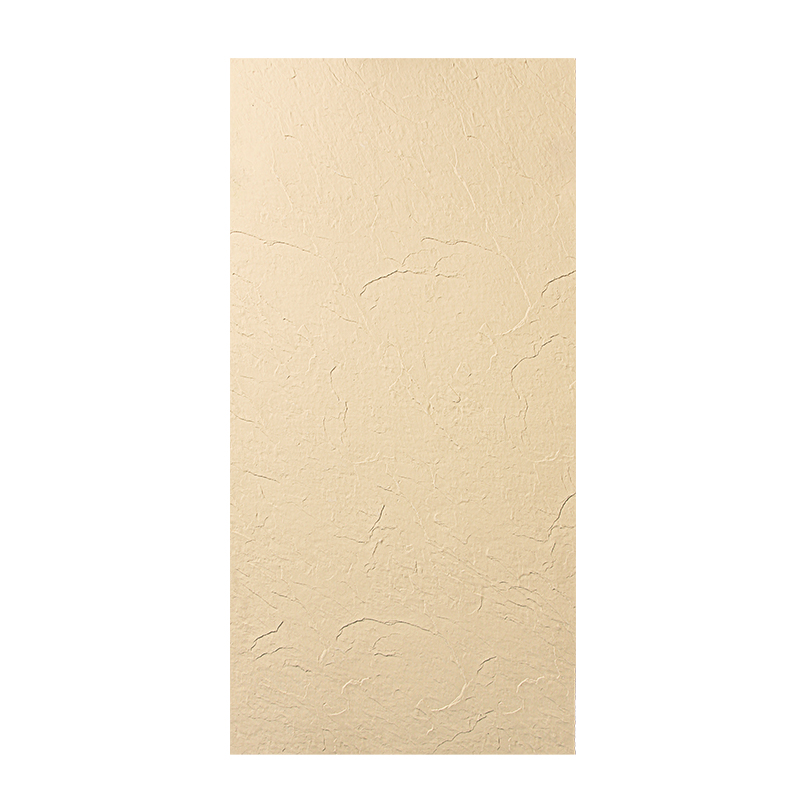
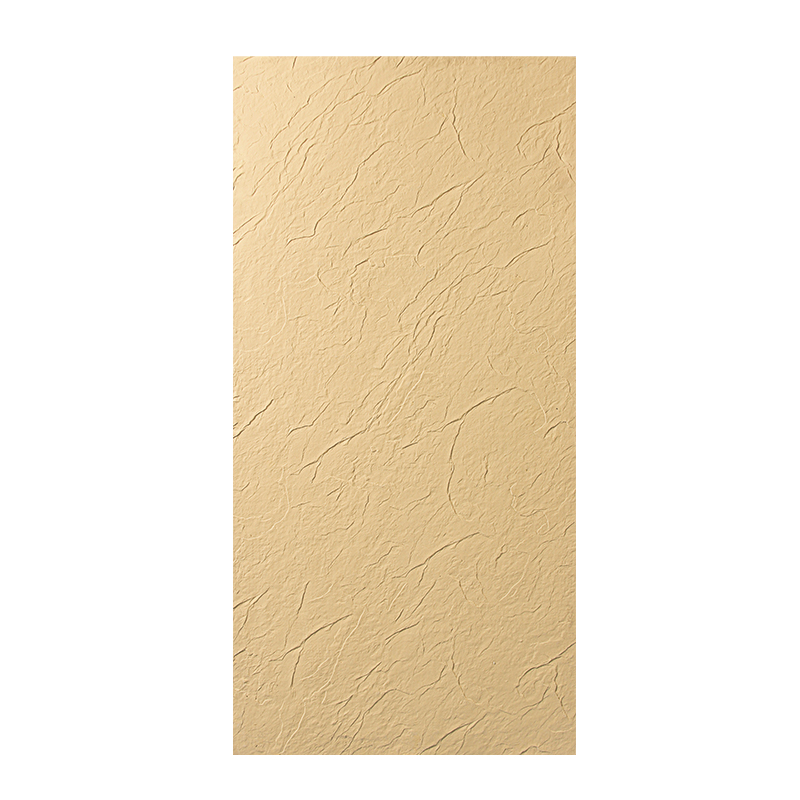
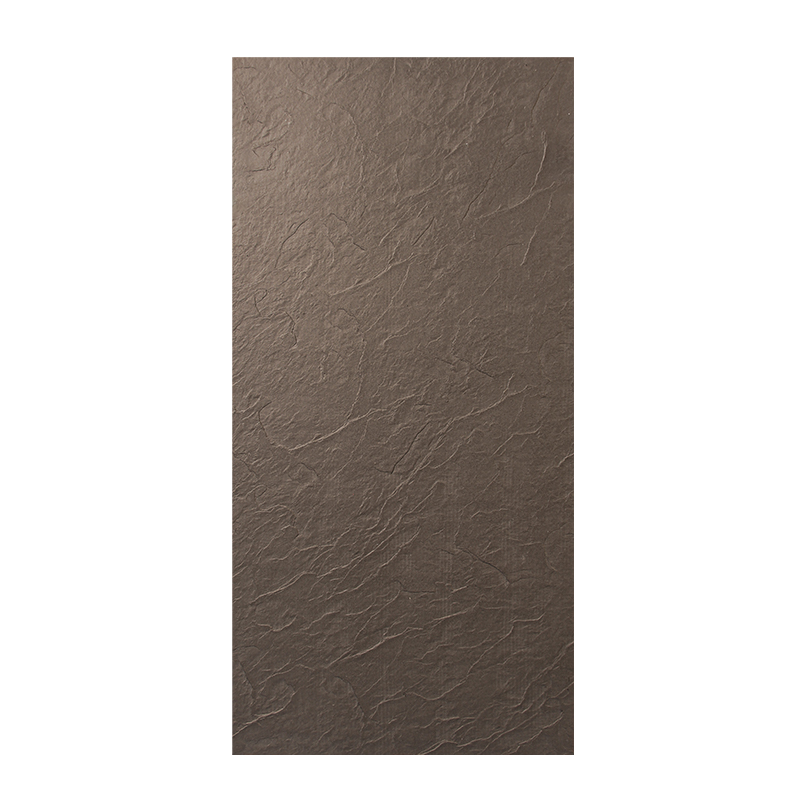
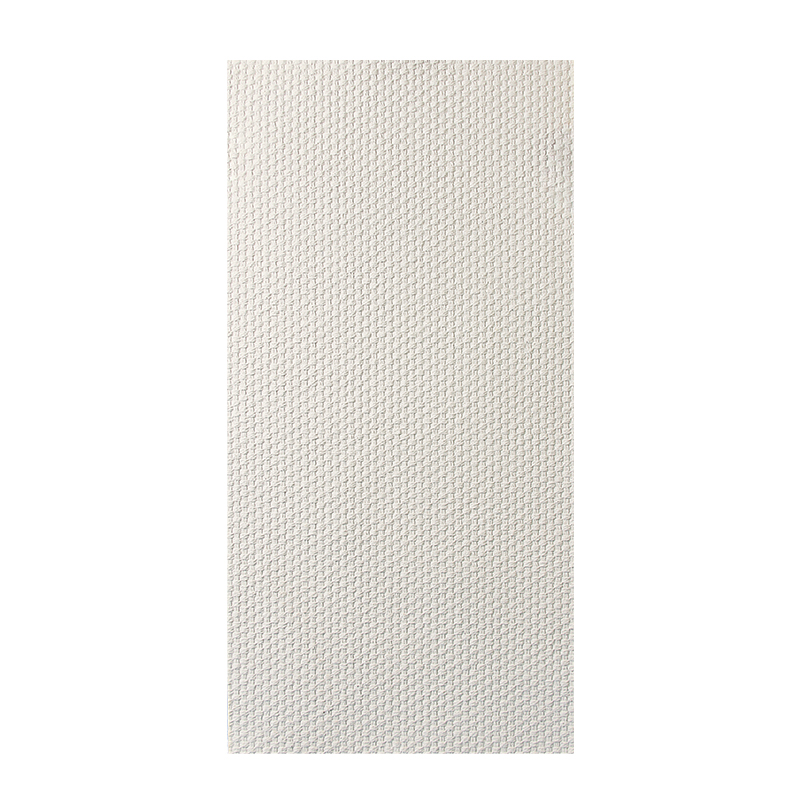
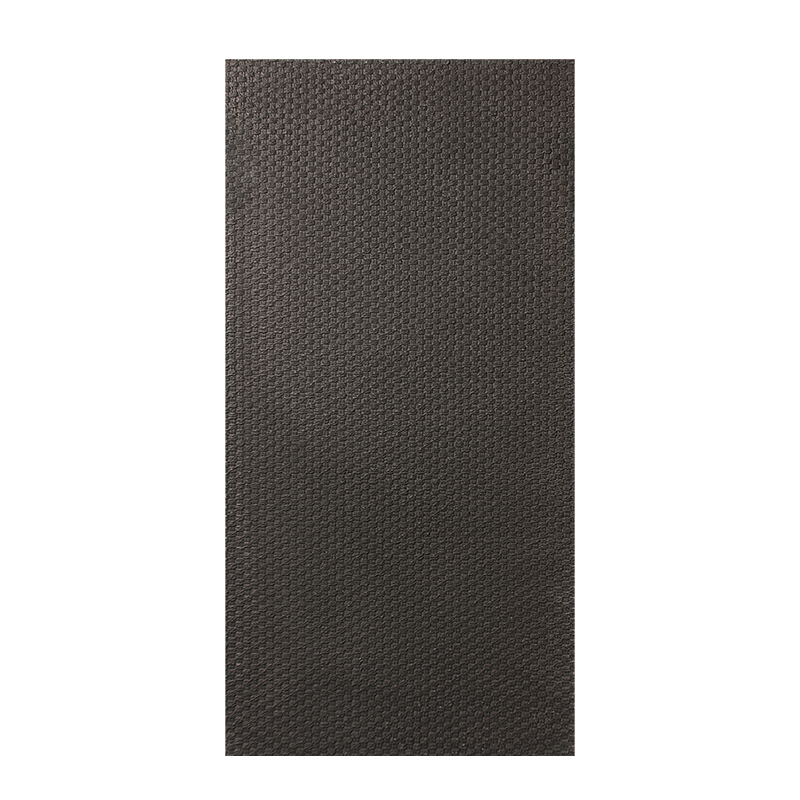
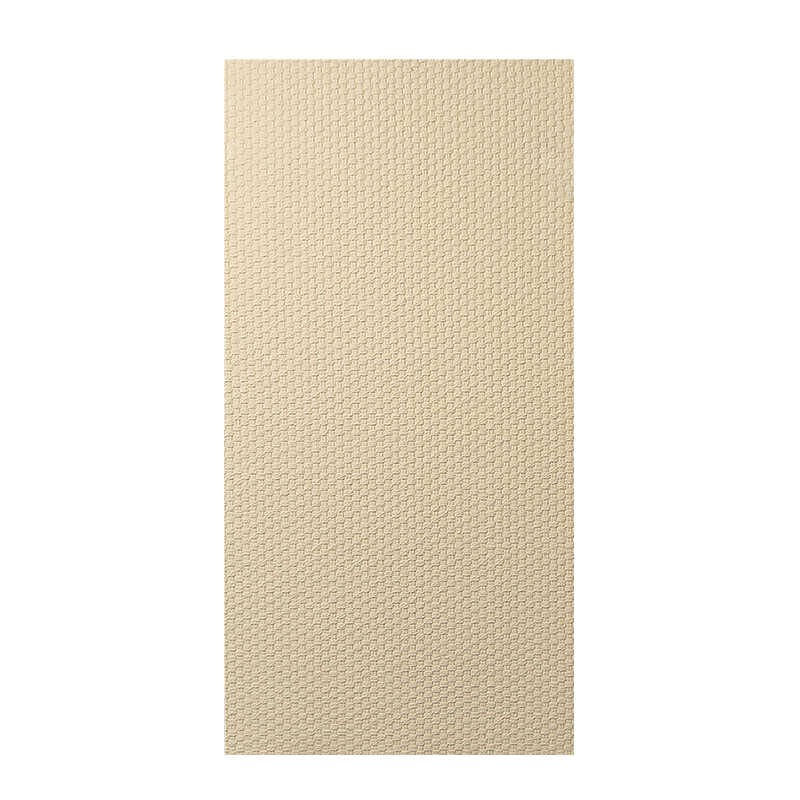
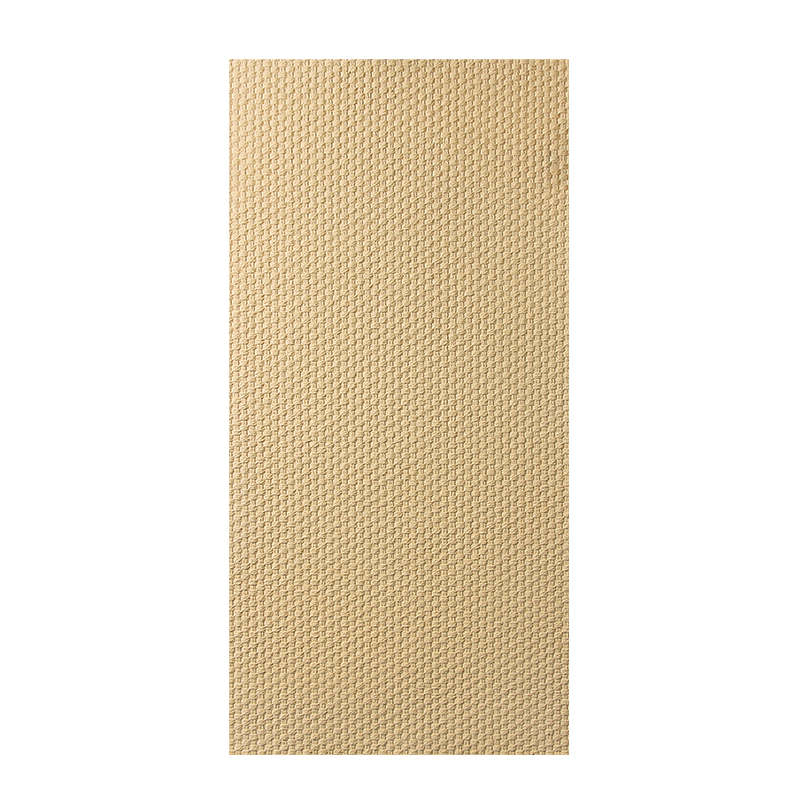
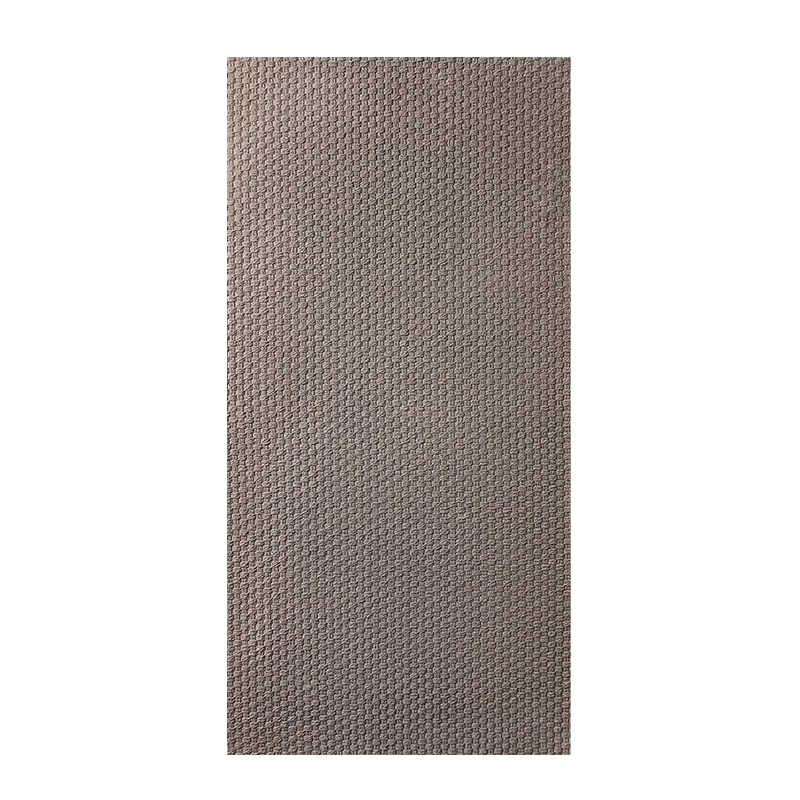
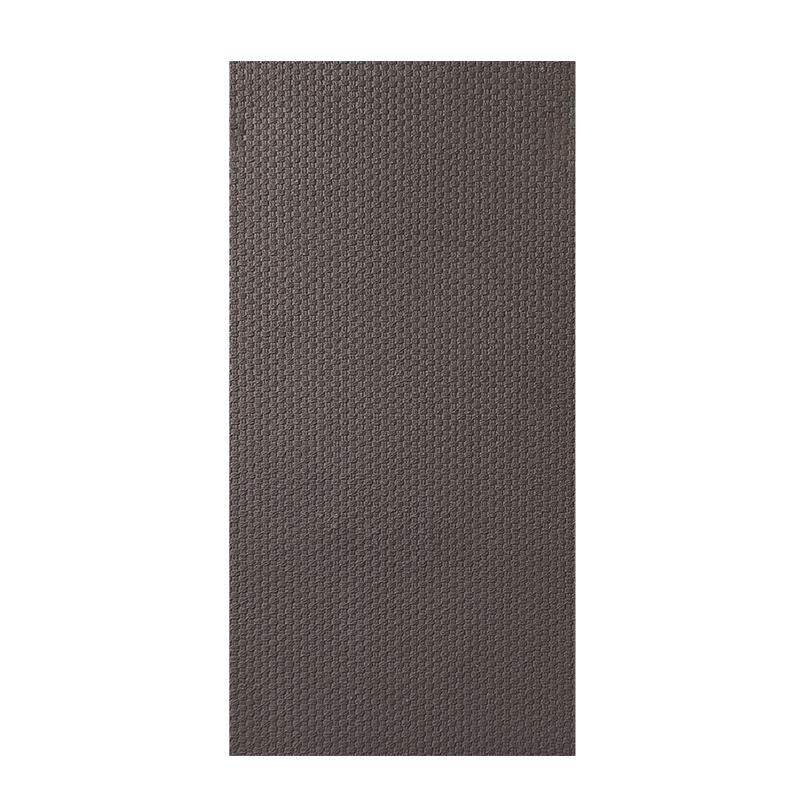
The range of stone types processed into flexible panel format gives designers a broad palette to work with. Slate panels tend toward dark greys, greens, and blacks with a naturally split surface texture. Sandstone varieties offer warm ochres, reds, and tans. Quartzite and mica-bearing stones produce panels with metallic shimmer and layered visual depth. Within each stone type, natural color variation means no two panels are identical, which contributes to the organic character that distinguishes real stone surfaces from synthetic alternatives.
For architects, interior designers, and fit-out contractors working on projects where stone aesthetics are desired but conventional stone installation is impractical, flexible stone wall panels represent a material worth understanding in detail.