English
  русский
  عربى
عربى 
WPC wall panels have been picking up ground steadily in construction and fit-out projects — residential, commercial, hospitality, all of it. As the market has grown, so has the number of factories producing them, and not all of them are producing at the same level. For buyers trying to sort through supplier options, understanding what actually differentiates one WPC wall panel factory from another matters a lot more than comparing price lists.
WPC is wood-plastic composite — wood fiber or flour blended with a thermoplastic resin, usually PVC, PE, or PP, along with additives that handle color stability, UV resistance, and impact behavior. The wood-to-plastic ratio, the quality of incoming raw materials, and how tightly the extrusion process is controlled all feed into how the finished panel performs. Two panels that look the same on a sample card can tell very different stories after a year on an exterior wall or inside a bathroom with fluctuating humidity. The sample is the easy part. Consistent production across a full order is where factories separate themselves.
Before committing to a factory, a few things are worth digging into properly:
- Extrusion line quality: Factories running modern twin-screw lines with closed-loop process monitoring produce more consistent profiles than those on older equipment. When panels from different production batches have to sit next to each other on the same wall, that consistency matters visibly.
- Raw material transparency: Wood fiber content is a cost lever that some factories quietly adjust by cutting fiber quality or loading up on filler. Asking for material composition data and independent test reports gives a more honest picture than relying on factory samples alone.
- Co-extrusion versus surface coating: Co-extruded panels have a protective cap layer built in during the extrusion process itself. That's different from a coating applied afterward. Co-extruded surfaces hold up better under UV and physical wear — worth asking about specifically rather than assuming.
- In-house tooling capability: Factories that own their mold tooling can develop custom profiles for project-specific dimensions. Those running shared or licensed tooling have less room to move on non-standard requests and usually longer lead times when anything custom comes up.
Panel dimensions shift by application. Interior cladding typically runs 150mm to 200mm face width, with thickness somewhere between 8mm and 15mm depending on whether the profile is solid or hollow-core. Exterior panels tend to be wider and thicker to handle weather exposure and the thermal movement that comes with temperature cycling. Hollow-core profiles save weight and reduce material cost, but they need more careful fastening — space the fixings too far apart and the surface deflects noticeably between points.
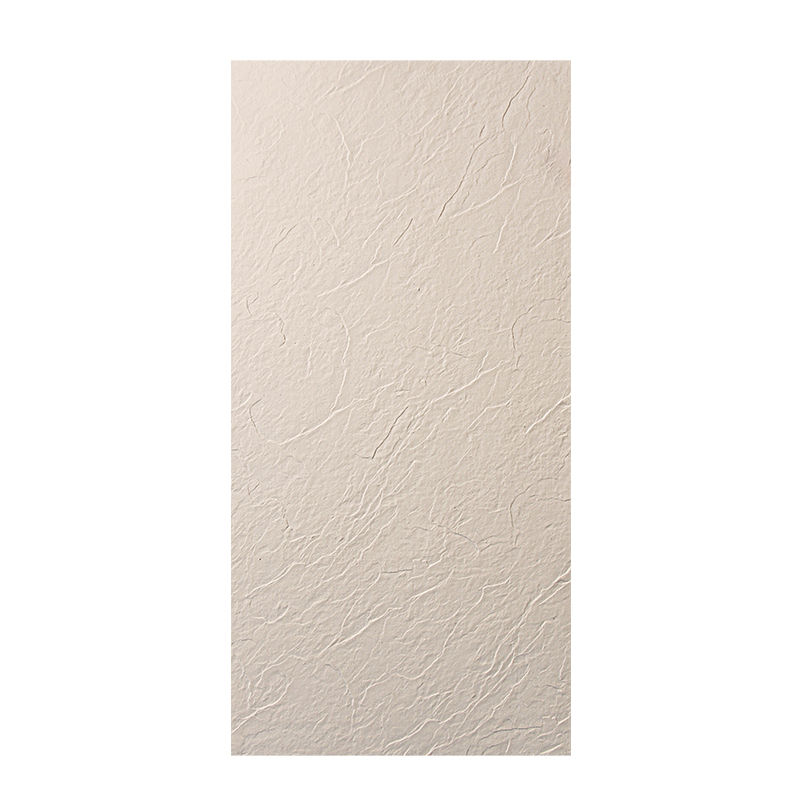
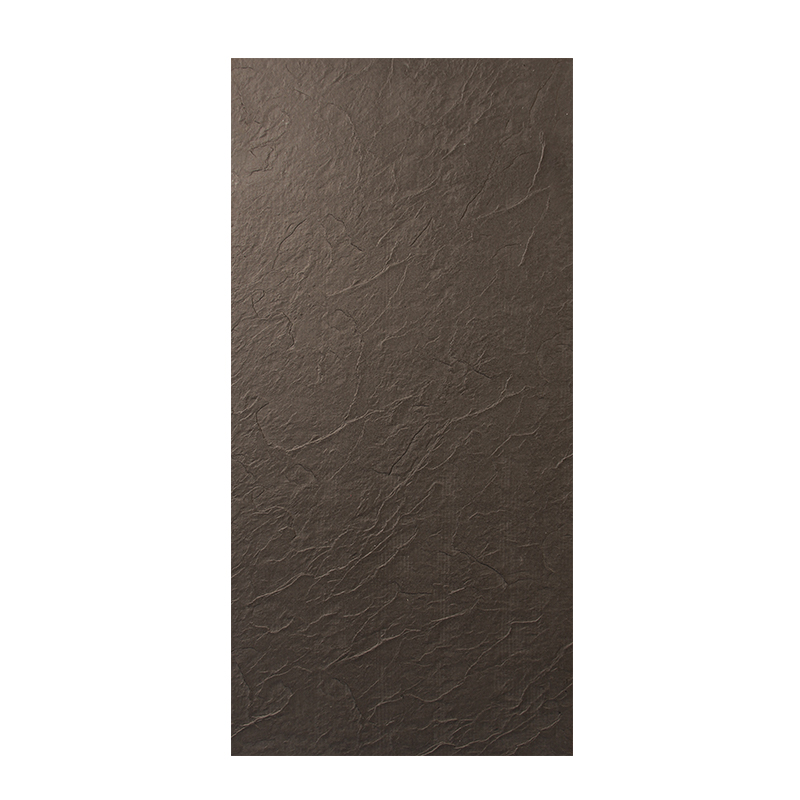
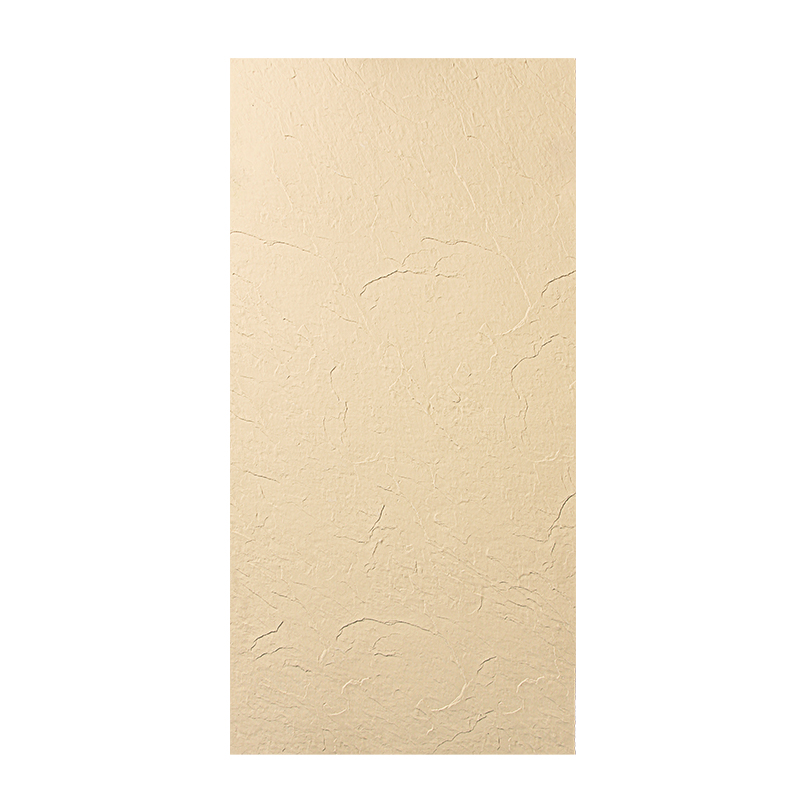
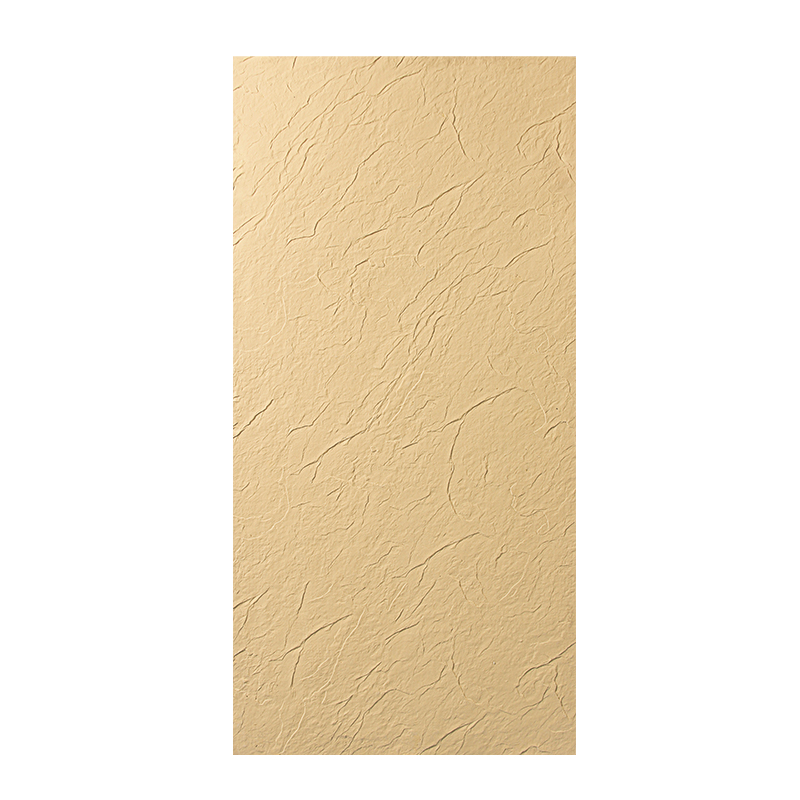
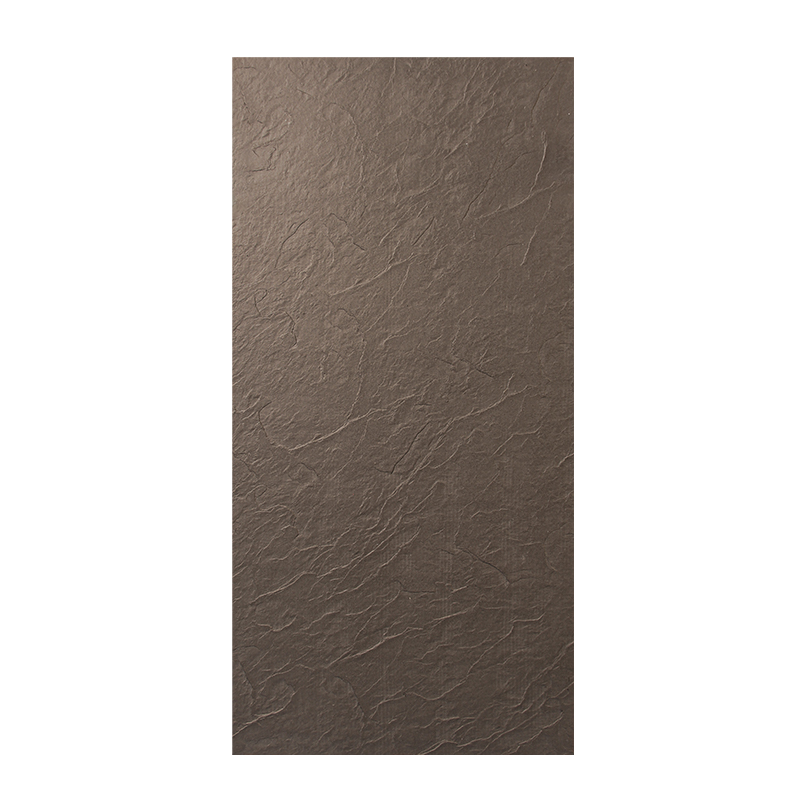
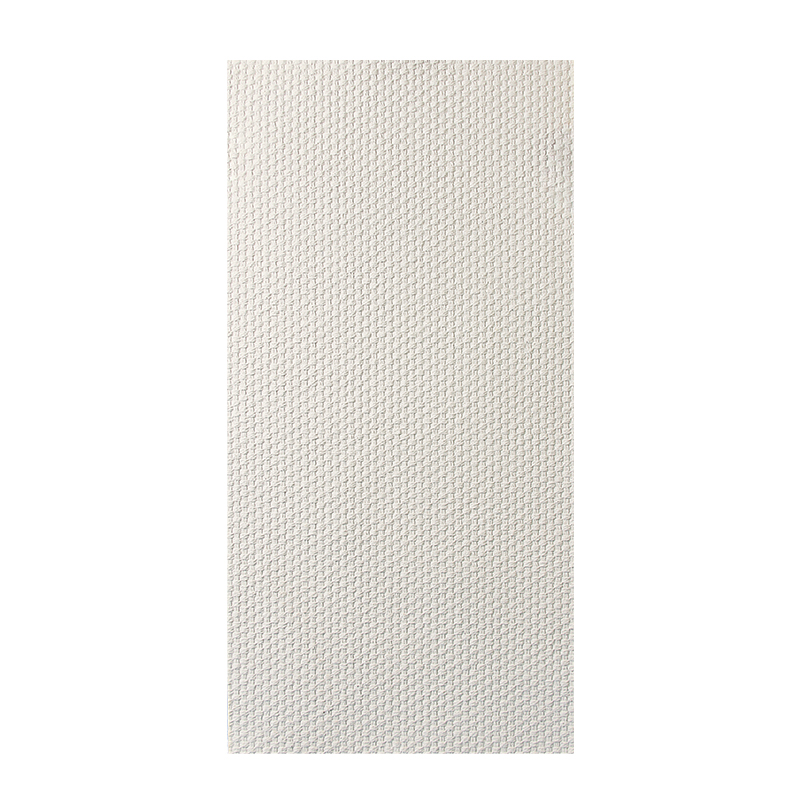
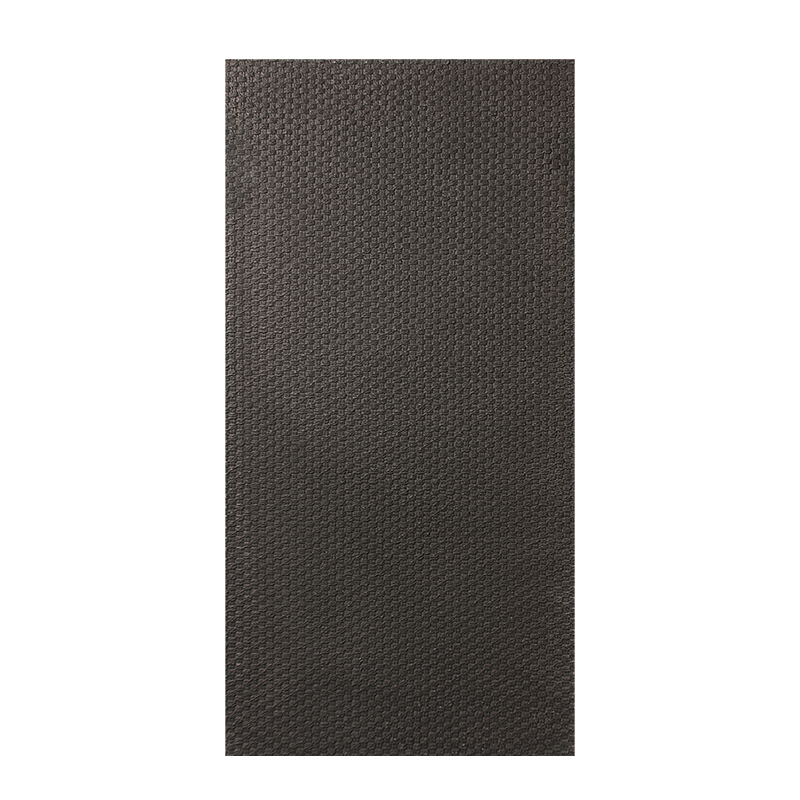
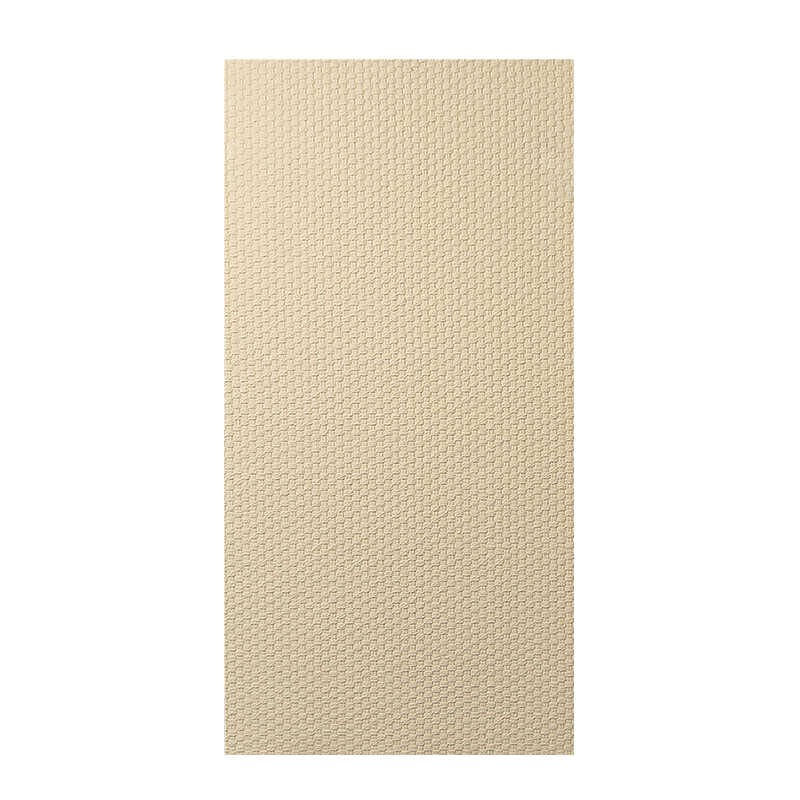
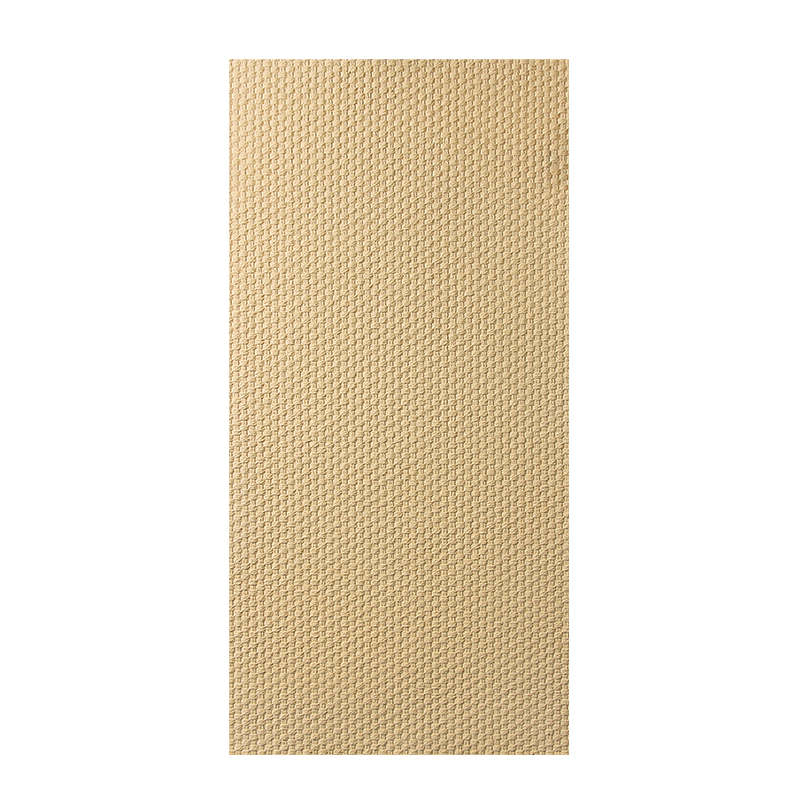
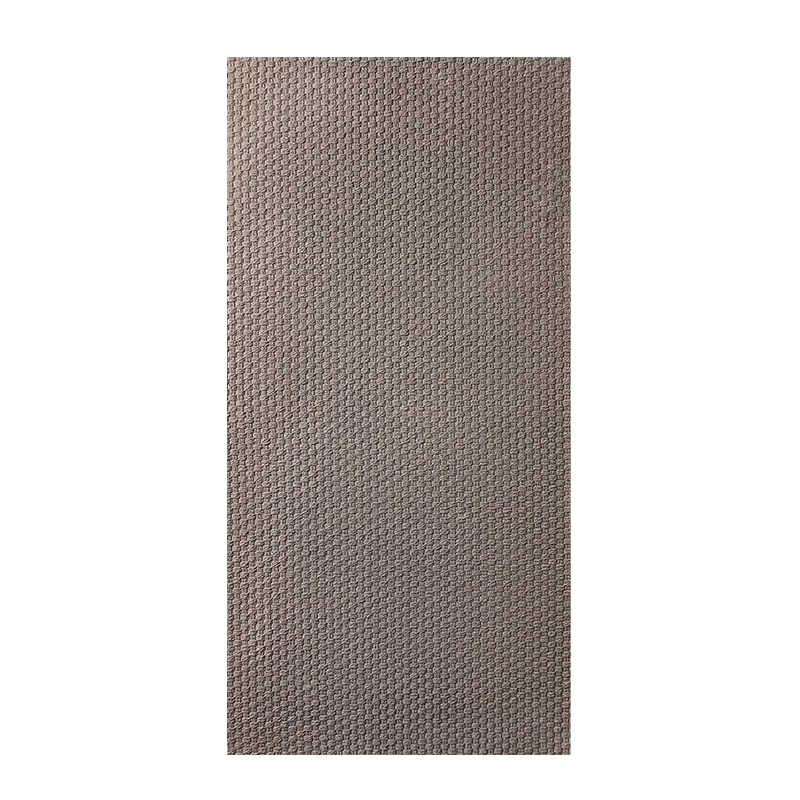
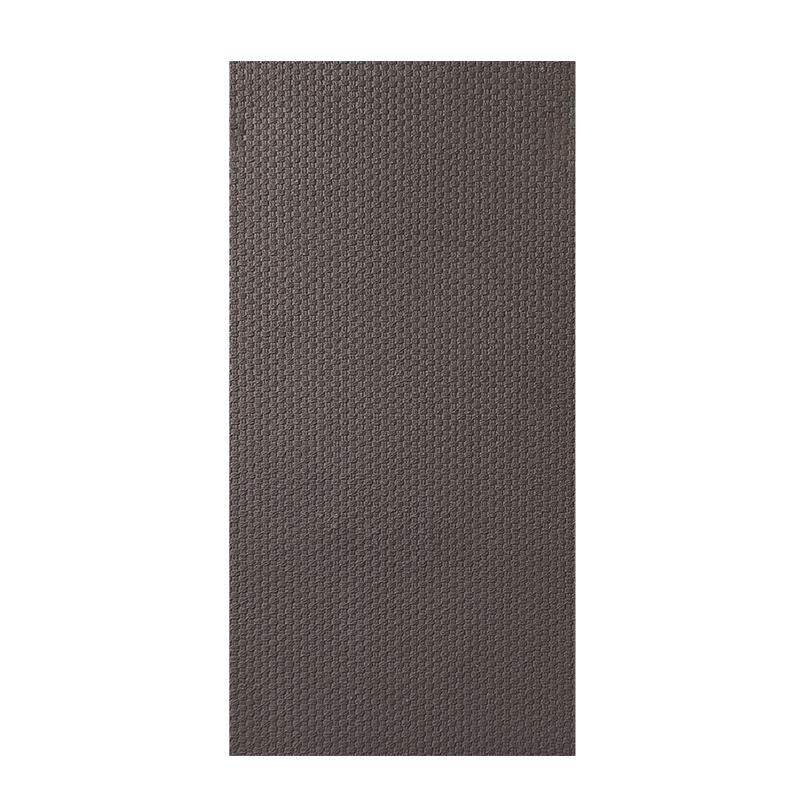
Color consistency across batches is one of those issues that doesn't show up until panels from two different production runs end up side by side on an installed wall. Even an experienced WPC Wall Panel Factory has to manage variations in wood fiber content and pigment dispersion, both of which influence the final panel color. Small raw material shifts can produce visible differences even when the factory is manufacturing the same specification. For large projects, buyers should ask the WPC Wall Panel Factory whether the entire order can be supplied from a single production run, or at least from the same raw material batch.