English
  русский
  عربى
عربى 
Real stone cladding has always carried weight, both physically and in terms of installation effort. That's the gap a flexible stone wall panel is designed to close. Built from a thin veneer of natural stone bonded to a flexible backing, this material gives designers and contractors the visual texture of stone without the heavy structural support or labor-intensive installation that solid slabs usually demand. Interior designers, hospitality builders, and renovation contractors have been adding it to feature walls, ceilings, and curved surfaces where traditional stone simply isn't practical.
How the Panel Gets Its Flexibility
A flexible stone wall panel starts with a very thin slice of real stone, sometimes just a millimeter or two thick, which gets laminated onto a fiberglass mesh or fabric backing. That backing is what allows the finished panel to bend around columns, curved walls, and other contoured surfaces that a rigid stone slab could never follow. The stone layer stays authentic — it's not a printed pattern or a resin composite mimicking stone — so the surface still shows the natural mineral variation, veining, and texture that buyers expect from genuine material.
Because the stone layer is so thin, the overall panel ends up dramatically lighter than a comparable slab of solid stone. This weight reduction changes what a wall or ceiling structure needs to support, which is part of why flexible stone wall panel products have found their way into applications where load limits would rule out traditional stone entirely, like elevator interiors, boat cabins, and upper-floor feature walls in buildings with lighter framing.
Where Buyers Are Installing It
Hospitality projects account for a good share of flexible stone wall panel demand, particularly hotel lobbies, restaurant accent walls, and spa interiors where a stone look adds warmth without adding structural load. Residential renovation buyers have picked up interest too, often specifying it for kitchen backsplashes, fireplace surrounds, and bathroom feature walls where a full stone installation would be costly and slow.
Curved or irregular surfaces are where flexible stone wall panel really separates itself from solid alternatives. Columns, arched doorways, and rounded reception desks can all be wrapped with the flexible material in a way that would require custom-cut, expensive fabrication if done with rigid stone slabs. Some buyers also use it in transportation interiors, like train cars and yacht cabins, where weight savings directly affect fuel efficiency or load capacity.
Stone Types and Surface Finishes
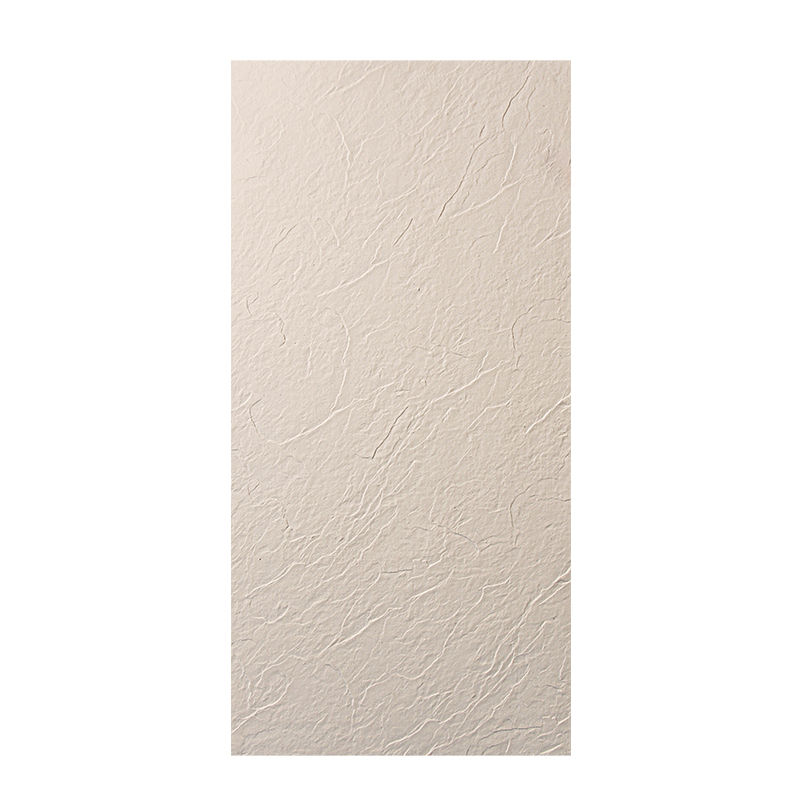
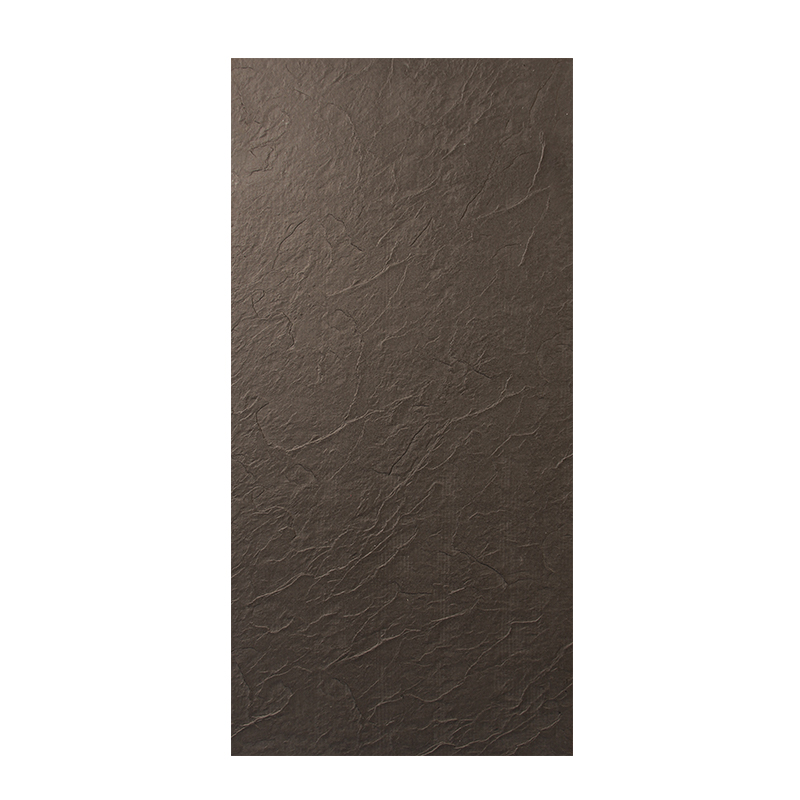
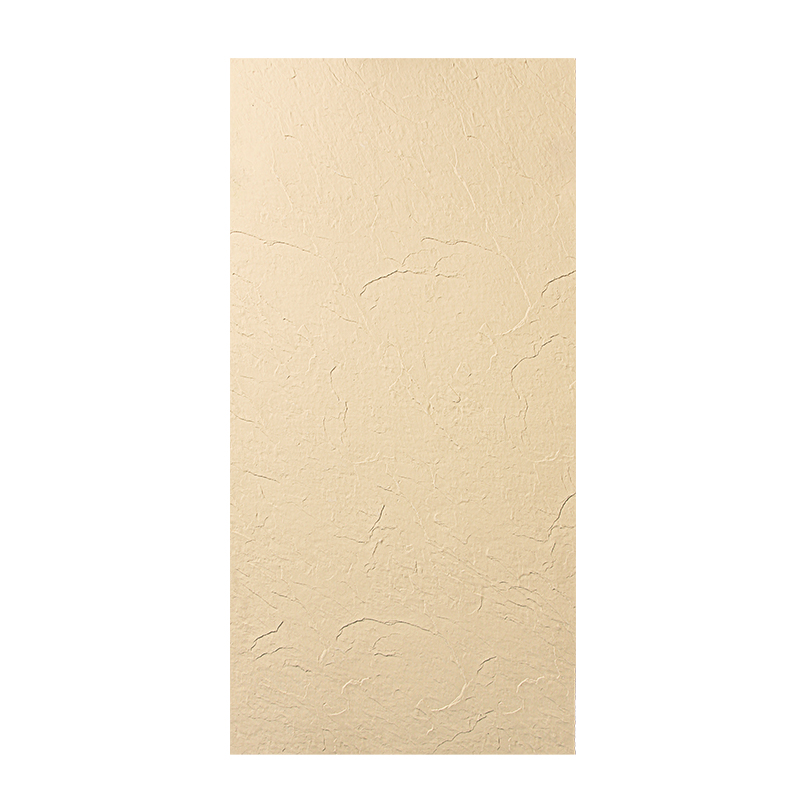
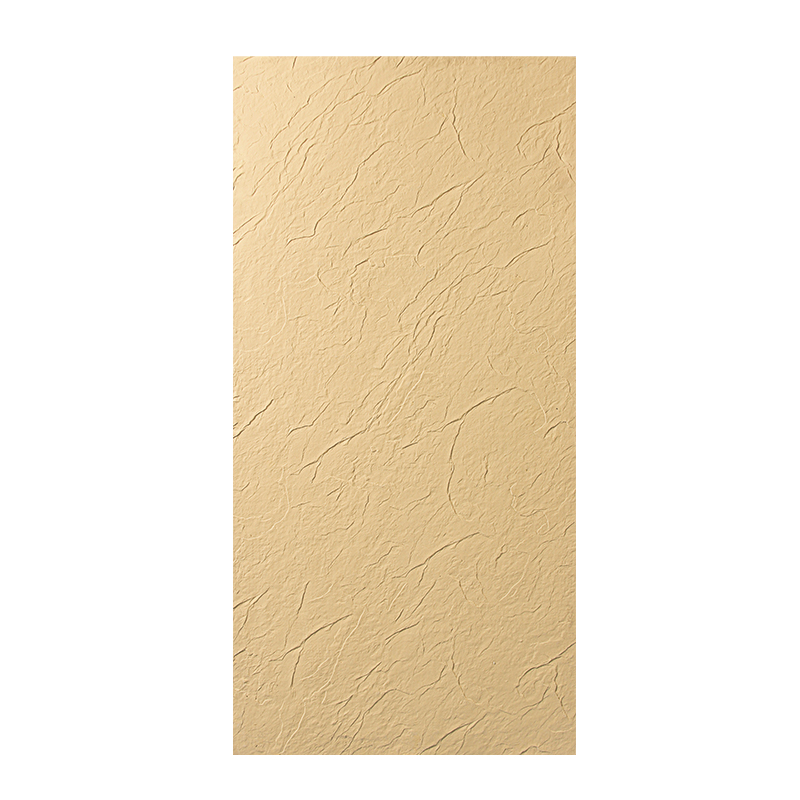
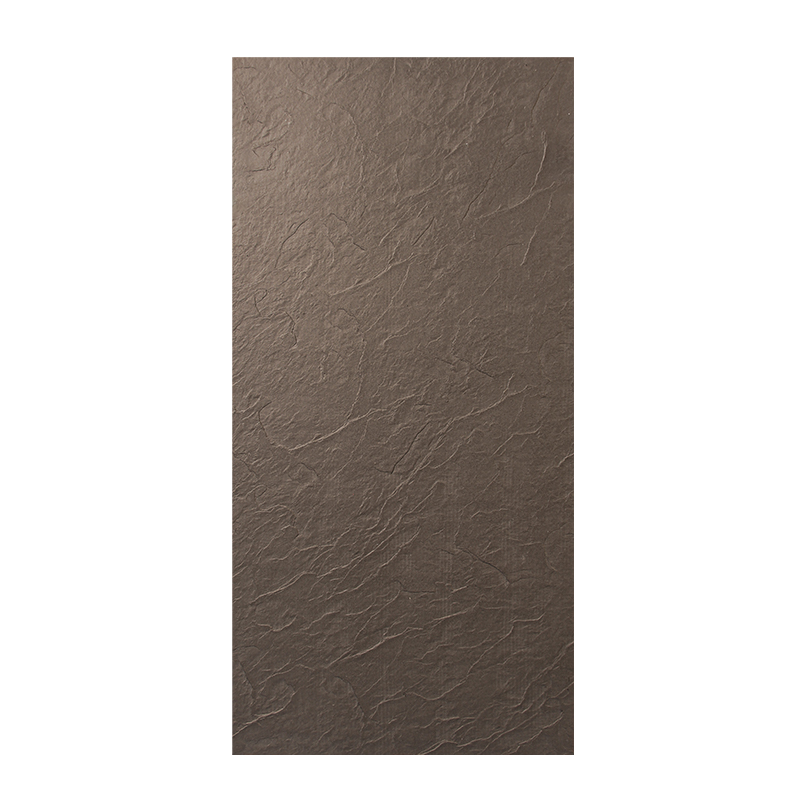
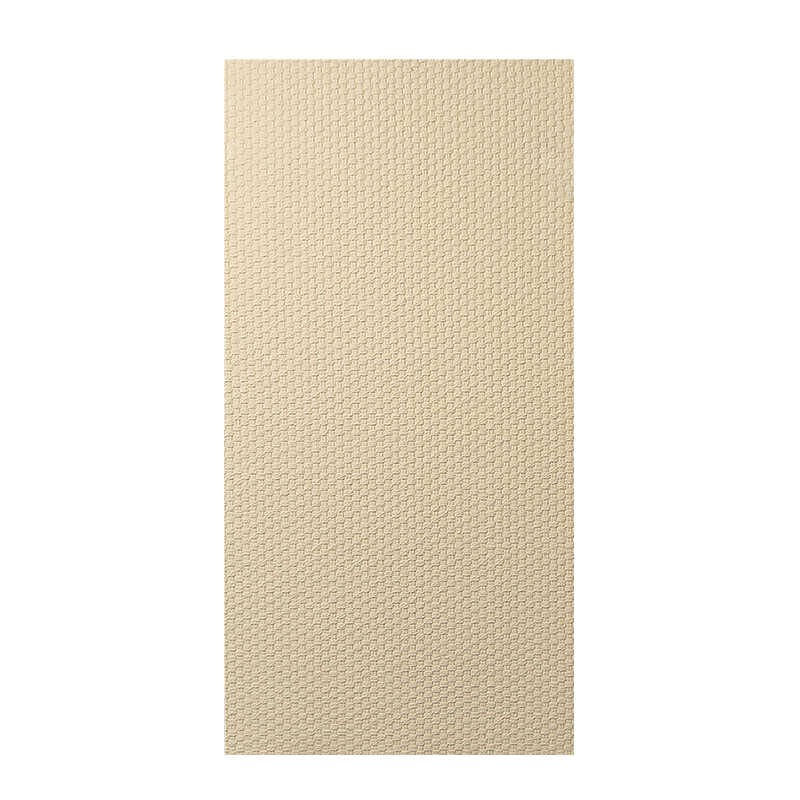
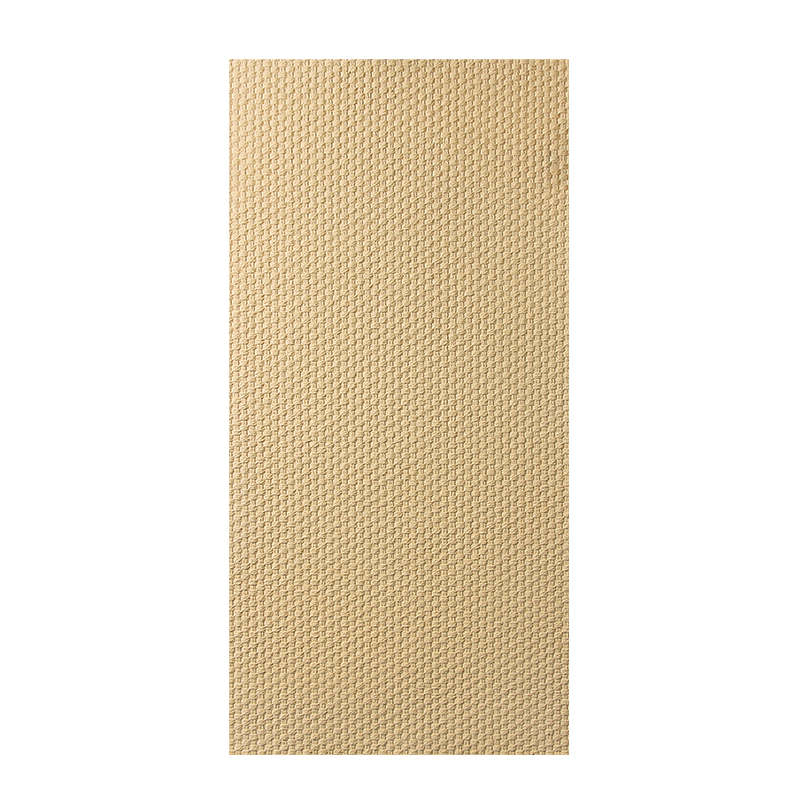
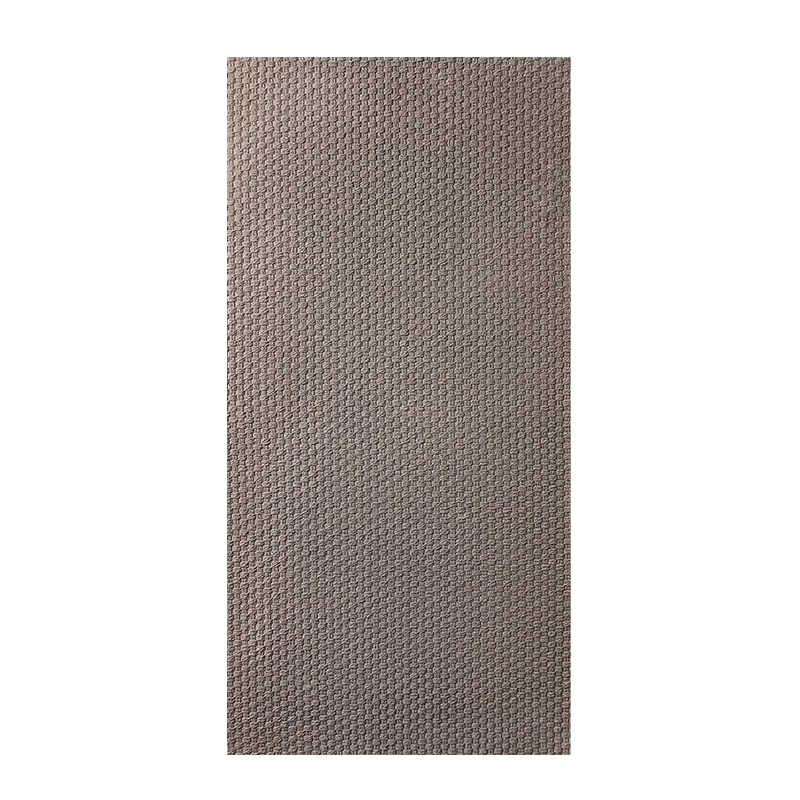
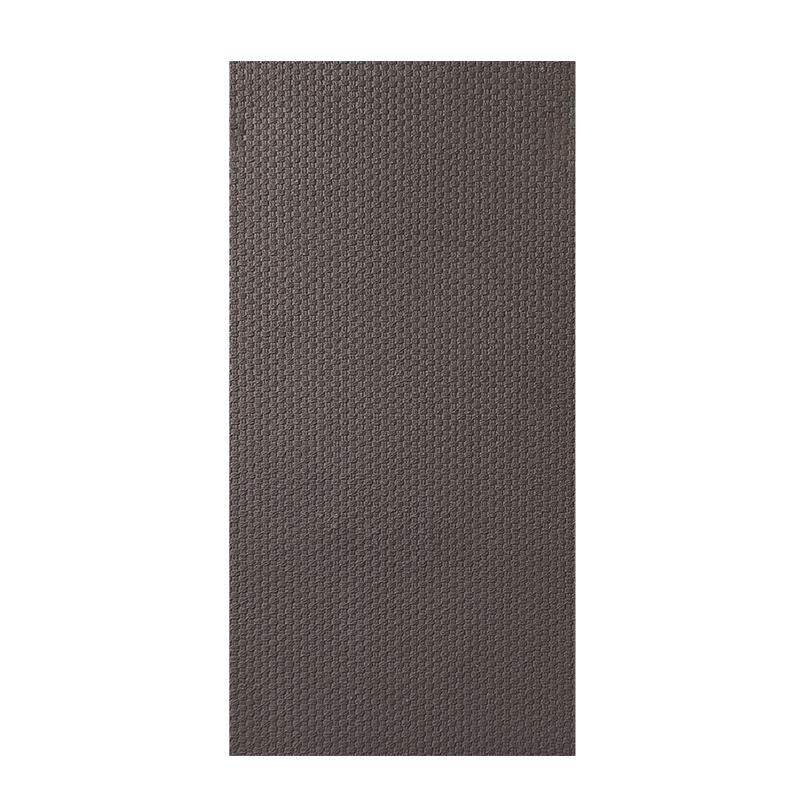
Slate, sandstone, and quartzite are common choices for a flexible stone wall panel, each bringing a distinct color range and surface texture. Slate tends to offer darker, more uniform tones that suit modern interiors, while sandstone brings warmer earth tones that work well in rustic or hospitality settings. Quartzite sits somewhere between the two, often showing subtle shimmer or crystalline texture depending on the quarry source.
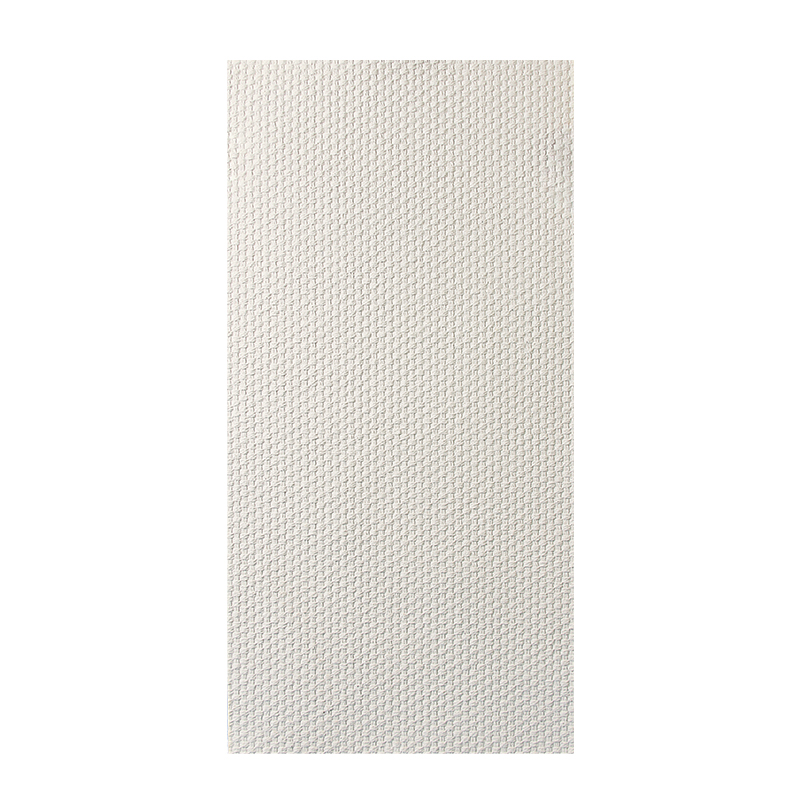
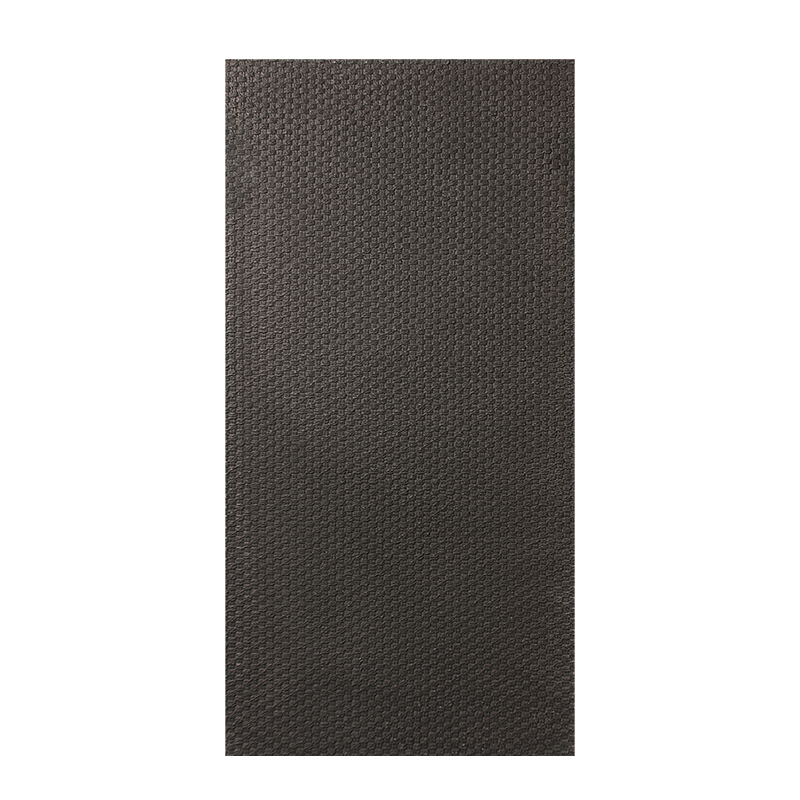
Surface finish also varies by product line. Some flexible stone wall panel options come with a natural cleft texture that mimics hand-split stone, giving a rougher, more dimensional look. Others are finished smoother, closer to a honed slab, which suits buyers targeting a cleaner, more contemporary aesthetic. Backing material and adhesive method can shift slightly between finish types, so buyers comparing options often ask suppliers directly about which backing pairs best with a given stone finish.
Sourcing Considerations for Bulk Buyers
Buyers ordering flexible stone wall panel in volume typically ask about panel size, roll or sheet format, and color batch consistency across a large order. Since the material comes from natural stone, some variation between batches is expected, but buyers running large hospitality or commercial projects often request closer color matching to keep a feature wall looking cohesive across multiple panels.
Installation method is another point that comes up early in sourcing conversations. Some flexible stone wall panel products are designed for direct adhesive application, while others require a specific substrate preparation to bond properly. Buyers working with contractors on tight project timelines tend to ask about cutting and trimming behavior too, since a panel that's easy to score and fold around corners on-site can meaningfully speed up installation compared to one that requires specialized tools or off-site fabrication.