English
  русский
  عربى
عربى 
Interior wall design is becoming more focused on materials that combine visual character with practical installation. Among the available wall covering options, WPC Wall Panel Indoor has attracted interest from interior contractors, building material distributors, furniture projects, and commercial space designers. Its wood-plastic composite structure gives the panel a wood-inspired appearance while providing a structured surface for indoor wall applications.
A Material Designed for Interior Walls
WPC Wall Panel Indoor is generally made from a combination of wood fiber or wood-based material and polymer components. The mixture is processed into a shaped panel, creating a stable profile suitable for decorative wall applications.
One reason this material attracts attention is its balance between appearance and practical use. Traditional wood can provide a natural visual effect, while composite wall panels can offer more control over panel dimensions and surface design. This makes WPC panels useful for projects where consistent wall appearance matters.
Manufacturers can also develop different profiles according to project requirements. Flat panels, slatted surfaces, grooved designs, and decorative textures can all be used to create different visual effects.
Interior Spaces Offer Many Application Choices
A WPC Wall Panel Indoor system can be used in various indoor areas. Residential interiors may use wall panels for living rooms, bedrooms, hallways, or feature walls. Commercial projects can apply them in offices, reception areas, retail interiors, restaurants, meeting rooms, and display spaces.
For commercial projects, wall appearance can influence how a space feels to visitors and staff. A textured wall can introduce depth, while a simple linear pattern can create a cleaner architectural appearance.
The panels can also be combined with other interior materials. Wood-look surfaces may work alongside stone patterns, metal details, glass, lighting elements, or painted walls. This combination gives designers additional ways to divide visual zones within the same room.
Installation Design Matters
The installation method is another important consideration for project planners. Panel dimensions, profile structure, wall condition, and fixing methods can affect the installation process. Some projects use concealed fixing systems to create a cleaner surface, while others use visible components as part of the design.
Before installation, contractors usually need to check wall dimensions and determine the panel layout. Careful planning can reduce unnecessary cutting and help maintain alignment between adjacent panels.
For large commercial interiors, consistent panel spacing is also important. Small differences in alignment can become noticeable across a wide wall, so the layout should be considered before materials are installed.
Surface Patterns Shape the Interior Style
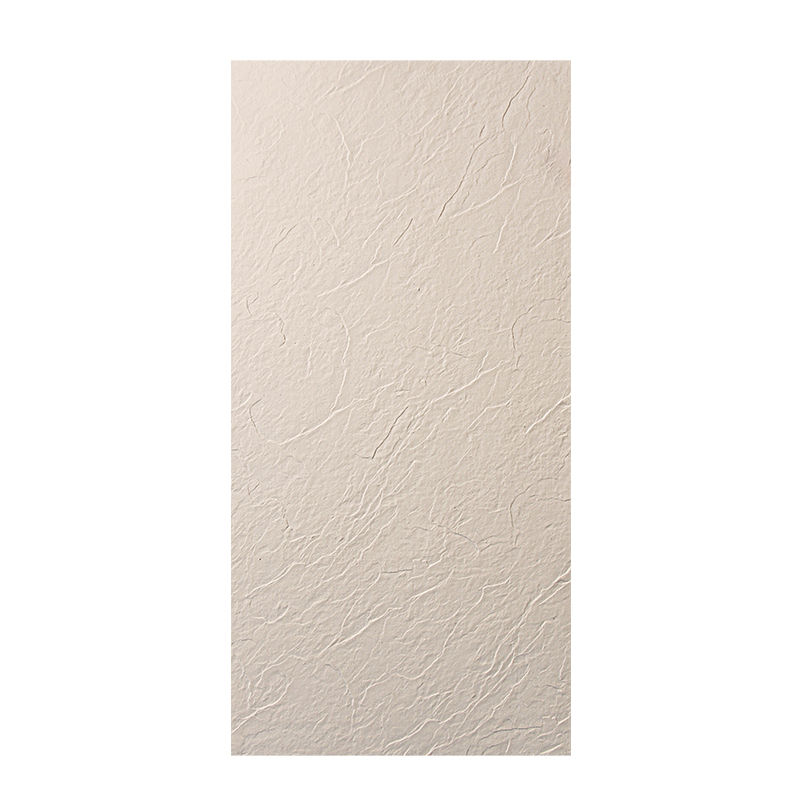
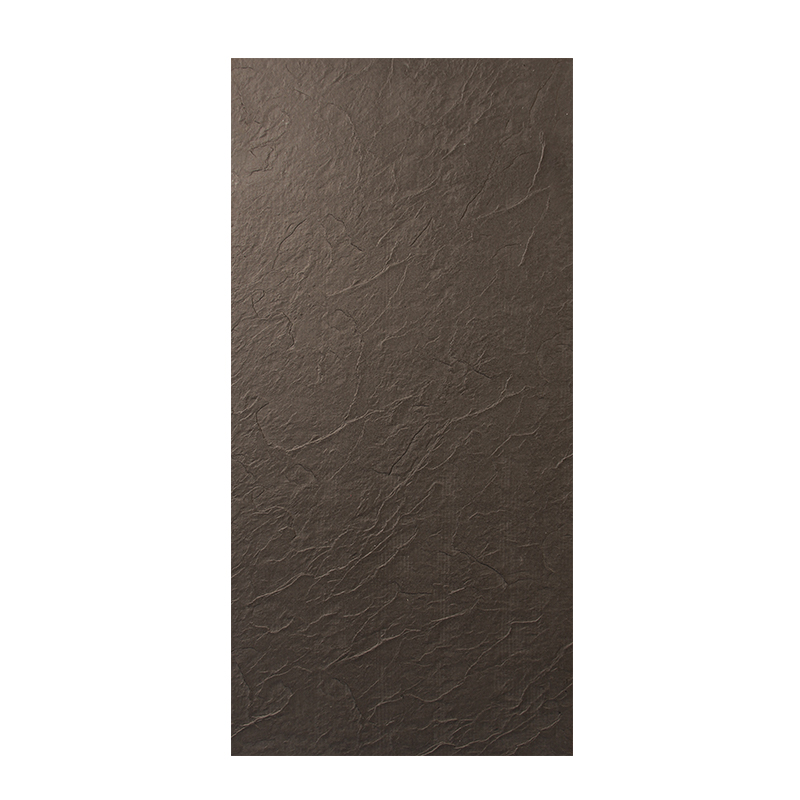
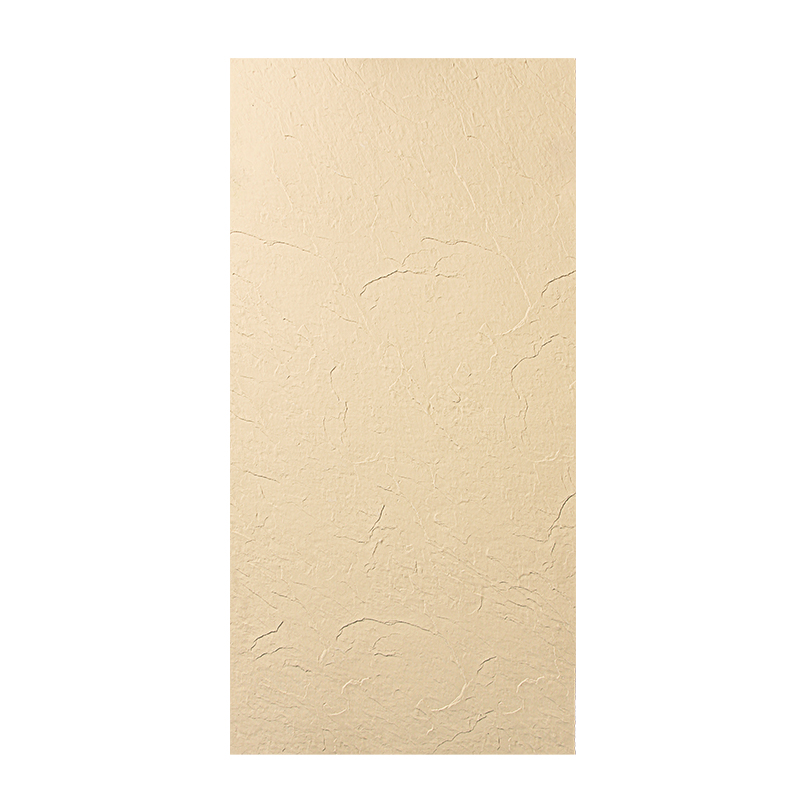
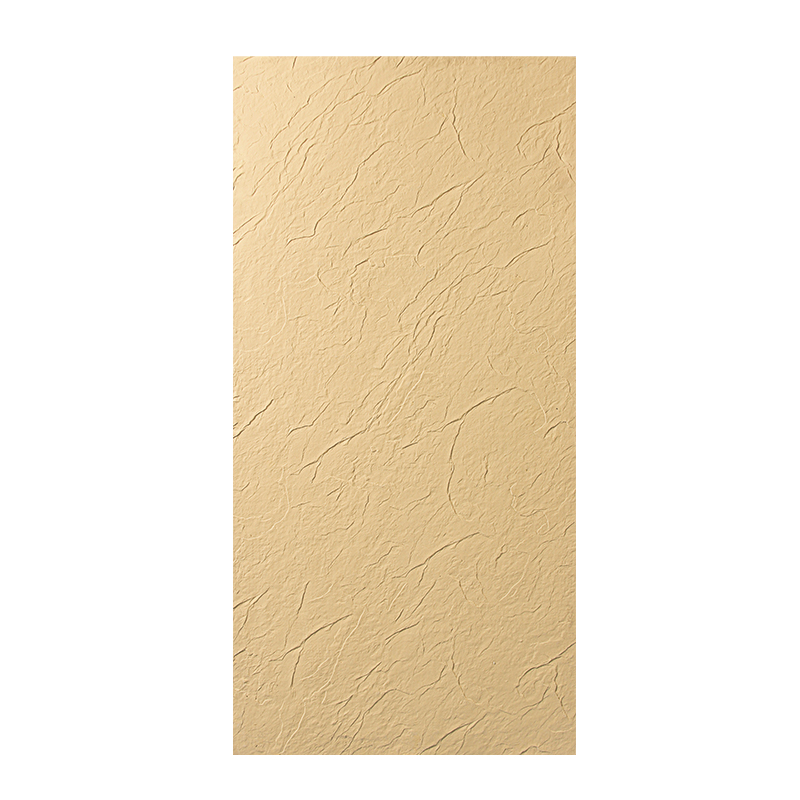
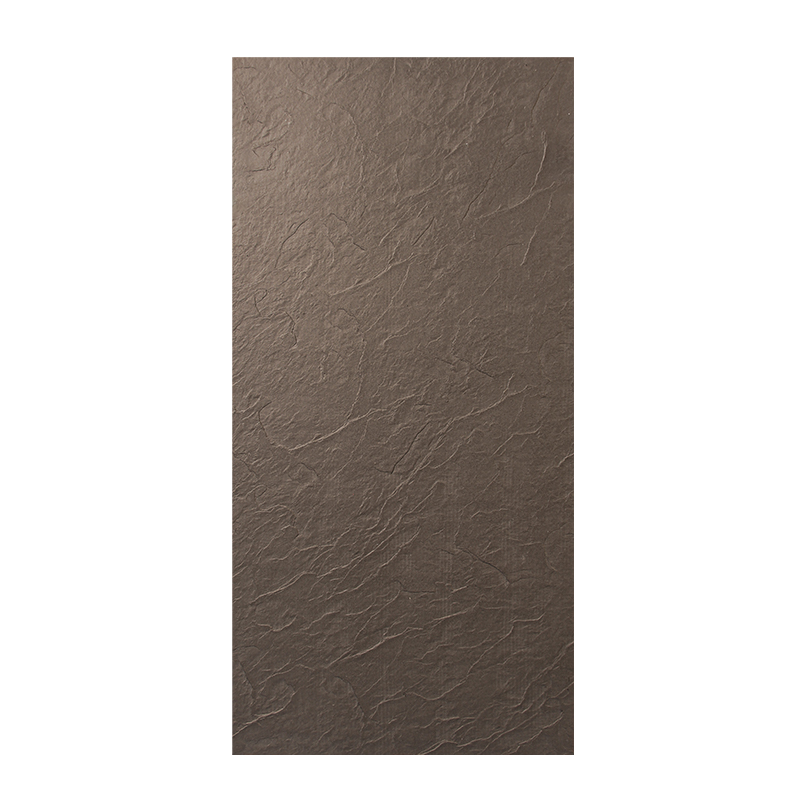
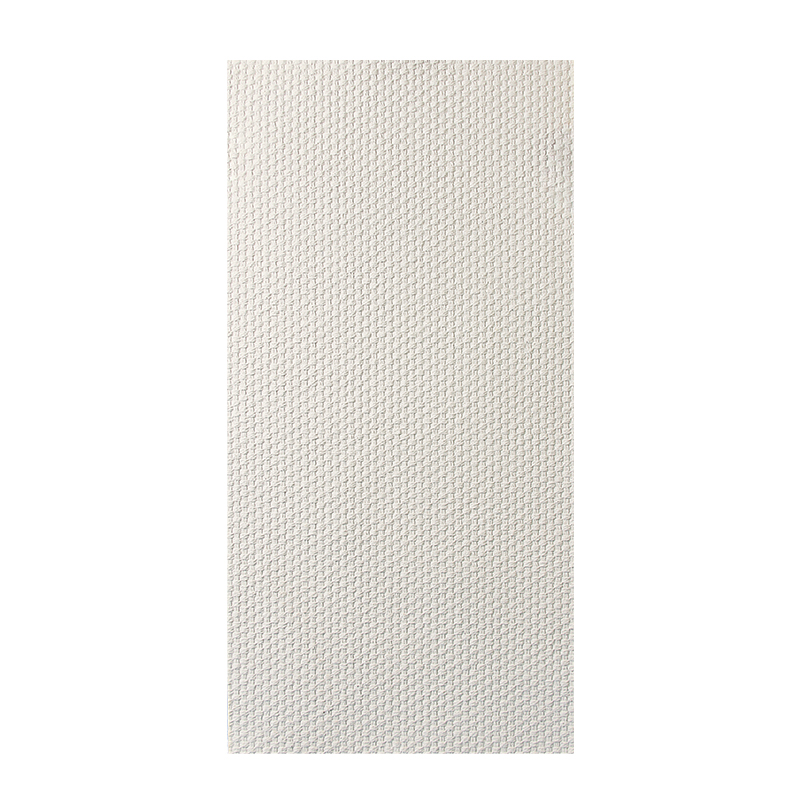
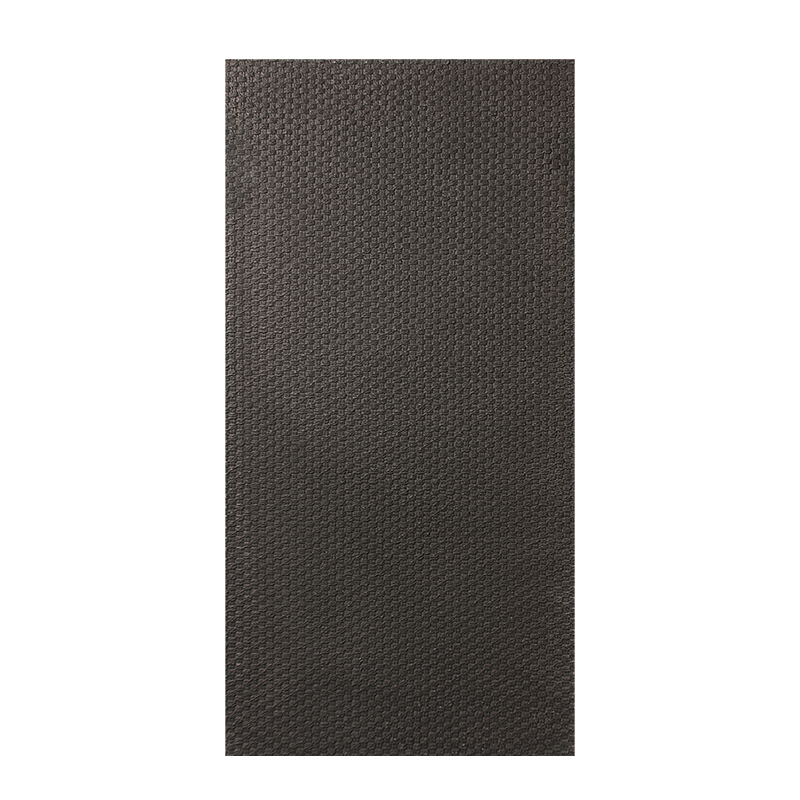
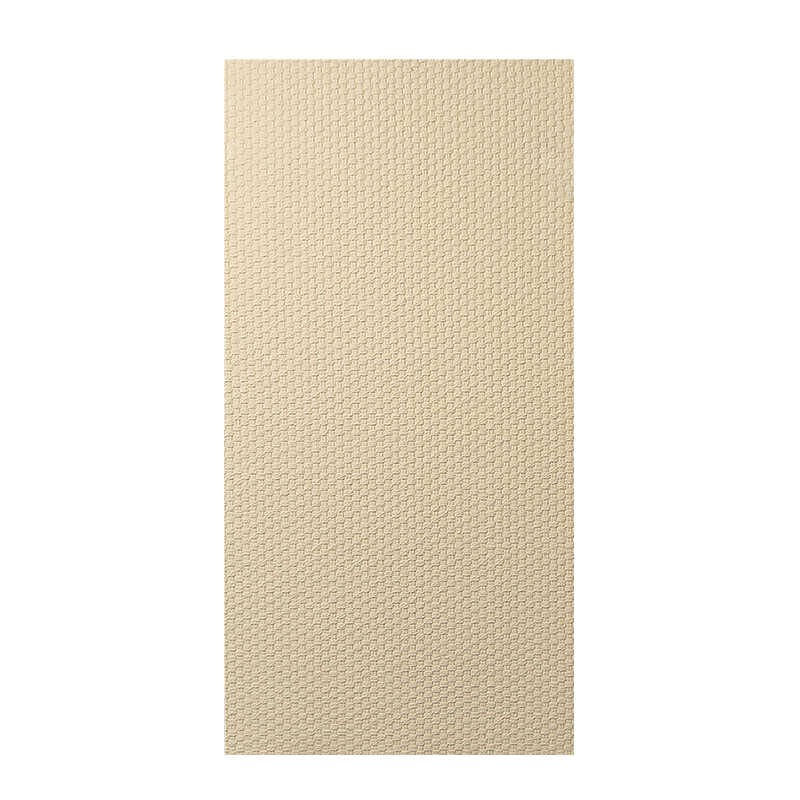
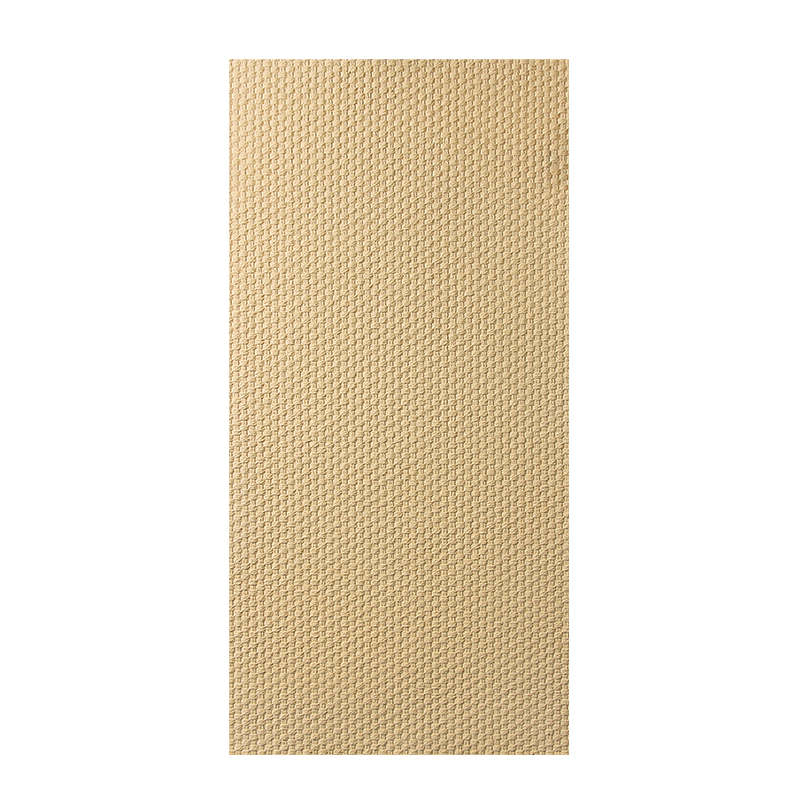
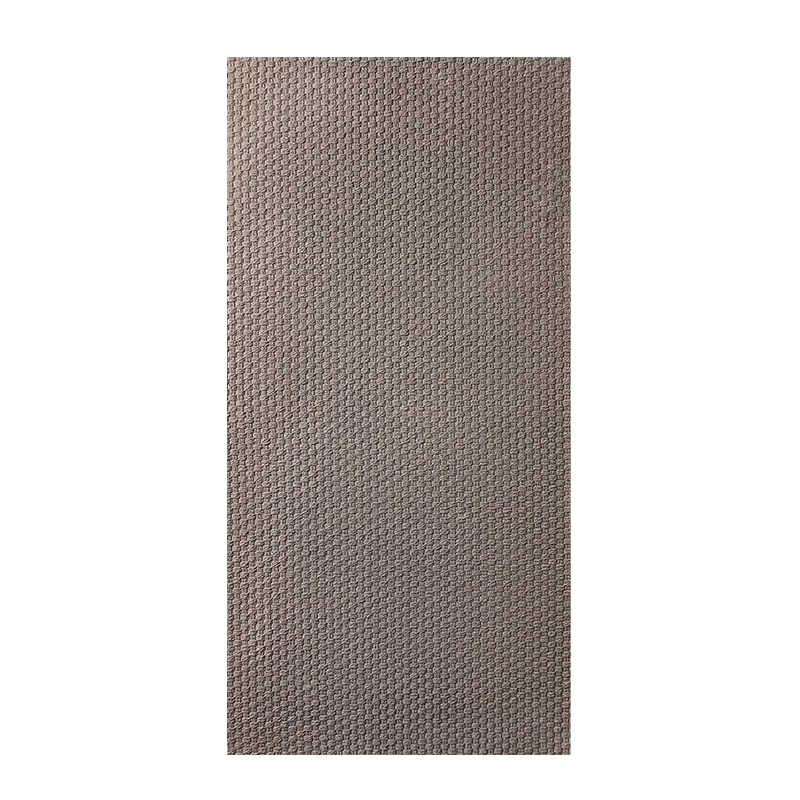
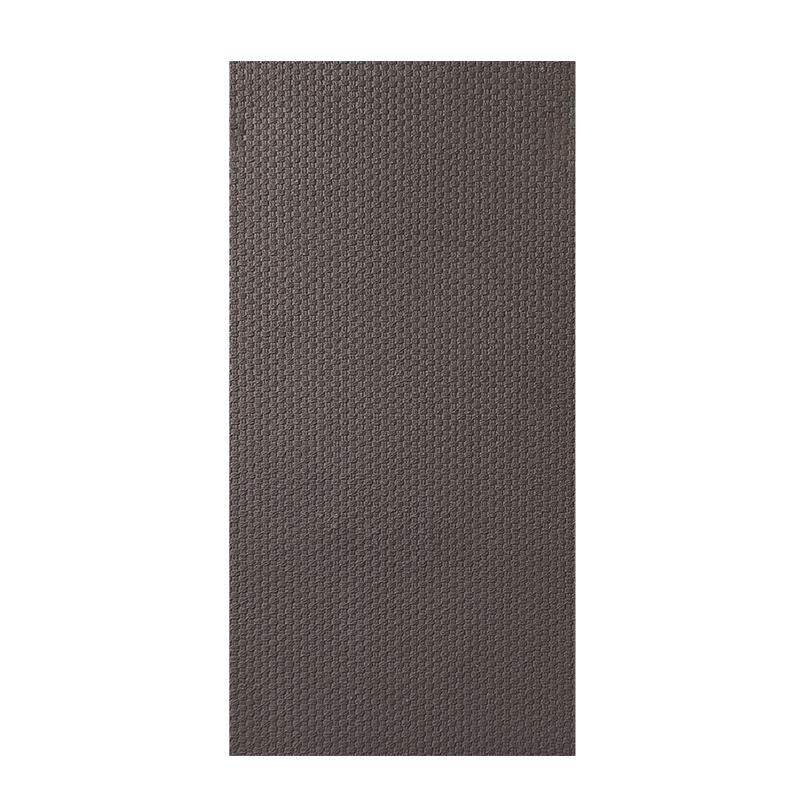
WPC Wall Panel Indoor products are available in a broad range of surface treatments. Wood grain remains a common choice, but modern interiors can also use geometric grooves, narrow slats, deep textures, and smooth finishes.
Color selection can change the visual impression of a room. Light shades can create a brighter appearance, while darker tones can introduce stronger contrast. Natural wood colors can create a warmer atmosphere without requiring solid timber wall construction.
Panel width is another design factor. Narrow profiles can create a rhythmic vertical effect, while wider panels may produce a simpler visual surface. Designers can select different profiles according to the room size and desired appearance.