English
  русский
  عربى
عربى 
Interior wall decoration has become closely connected to texture, color, installation methods, and panel design. In this market, a WPC Wall Panel Factory plays an important role in producing wall panels for residential, commercial, hospitality, and decorative spaces.
WPC, or wood plastic composite, combines wood-based materials with polymer components to create a panel material that can be shaped into different profiles. Manufacturers can develop various surface textures, colors, dimensions, and decorative patterns according to different interior design requirements.
Surface Texture Creates Visual Variety
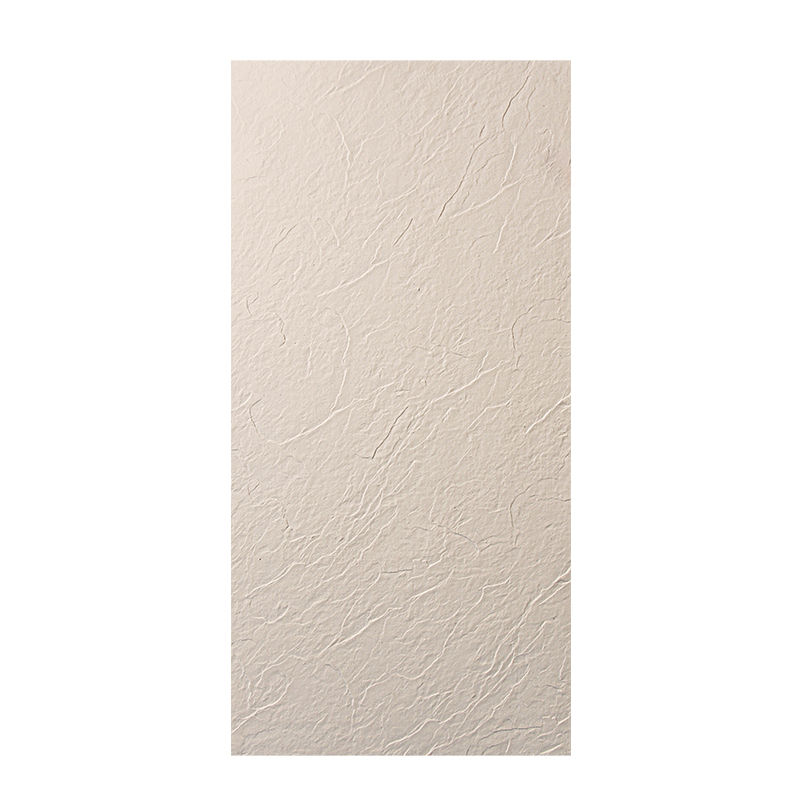
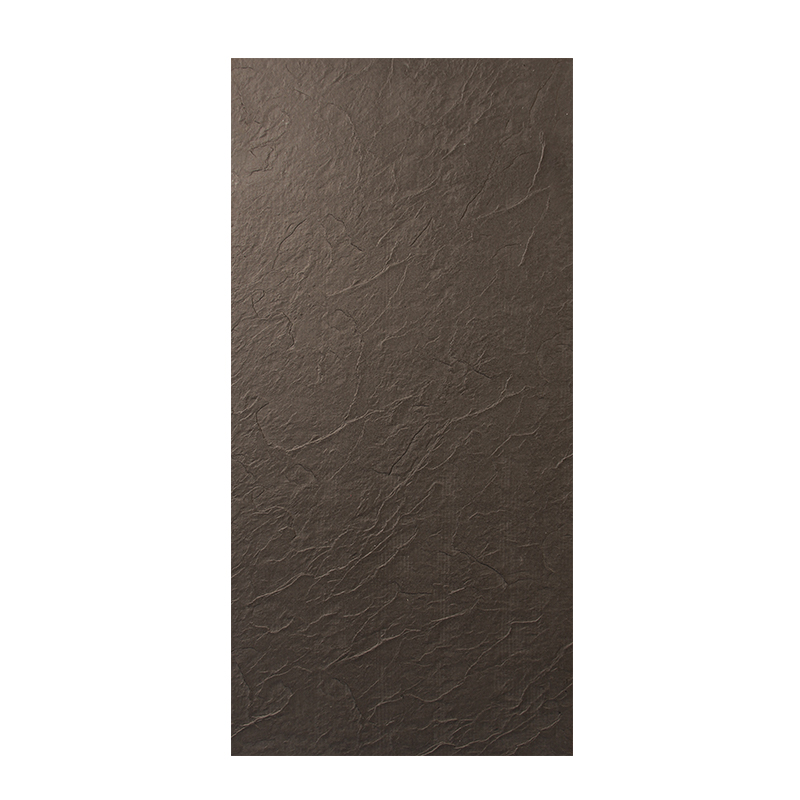
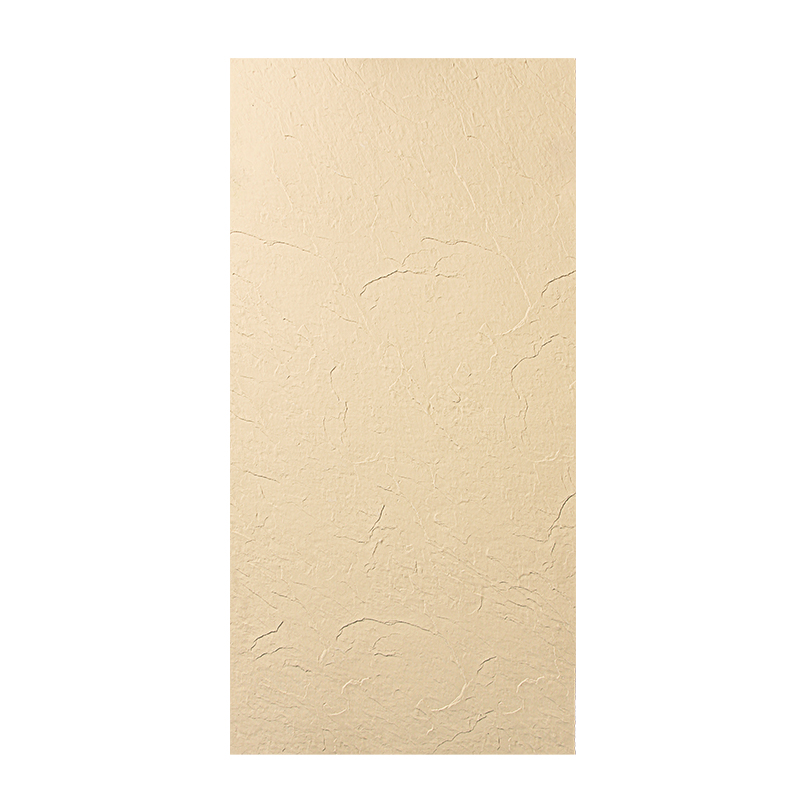
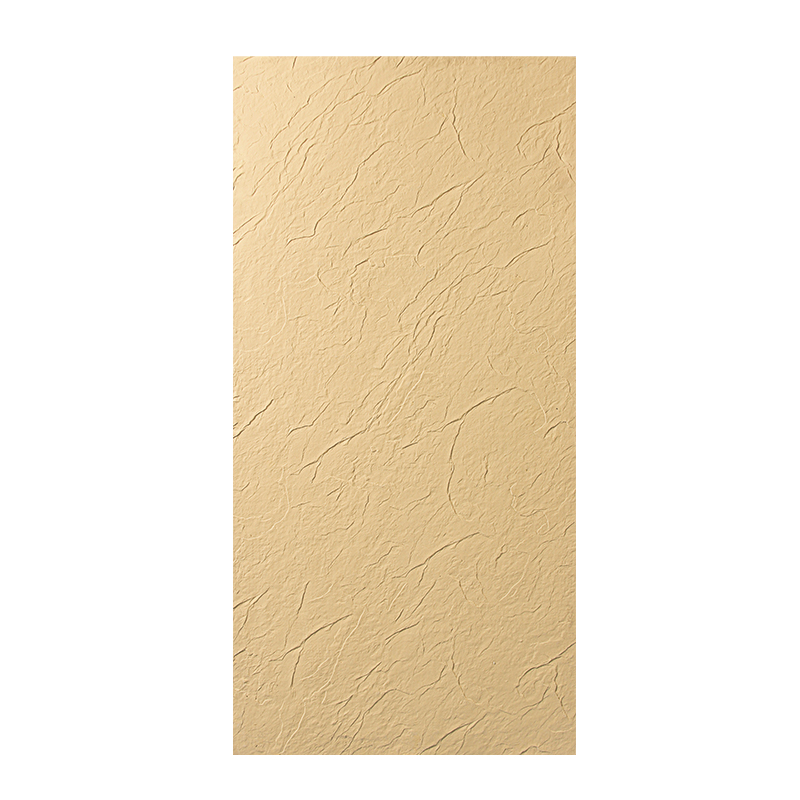
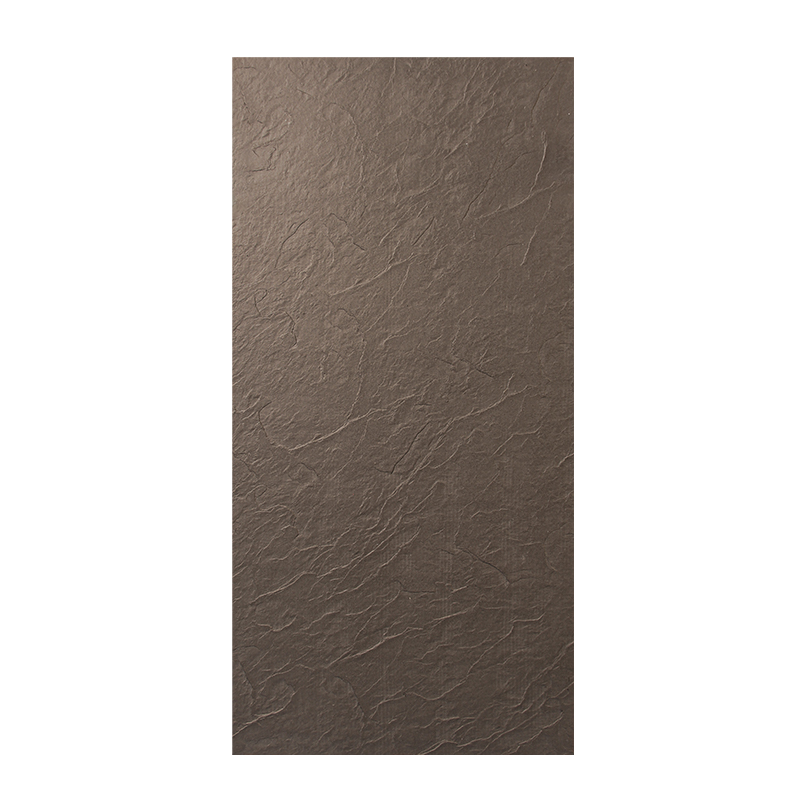
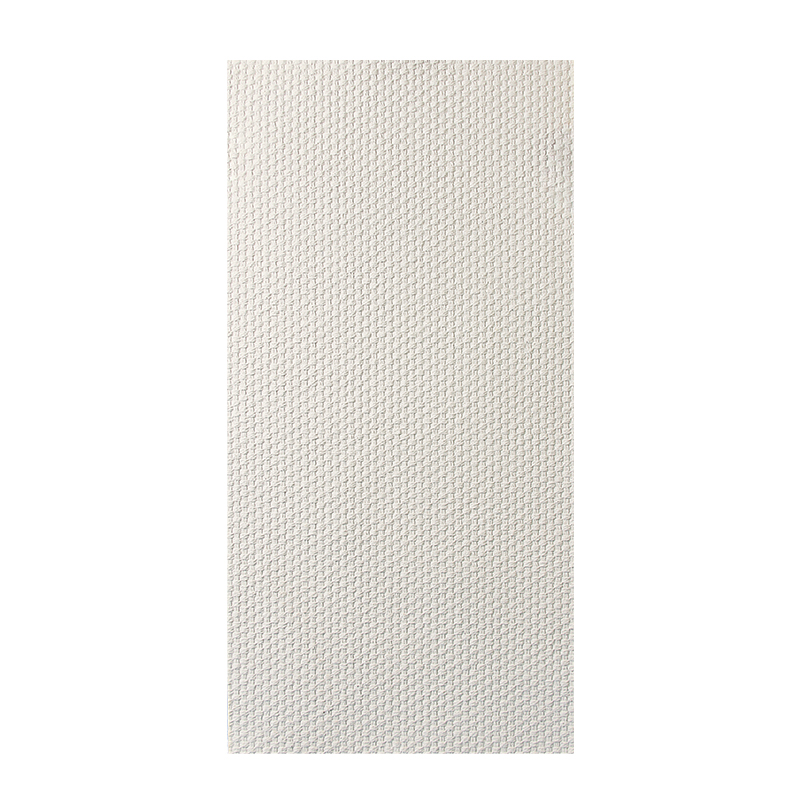
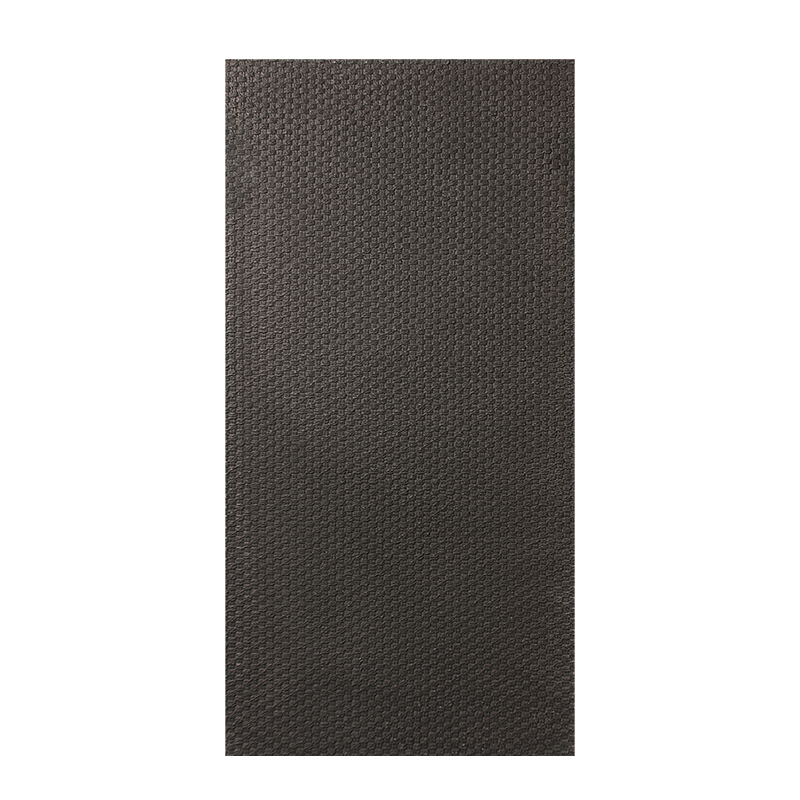
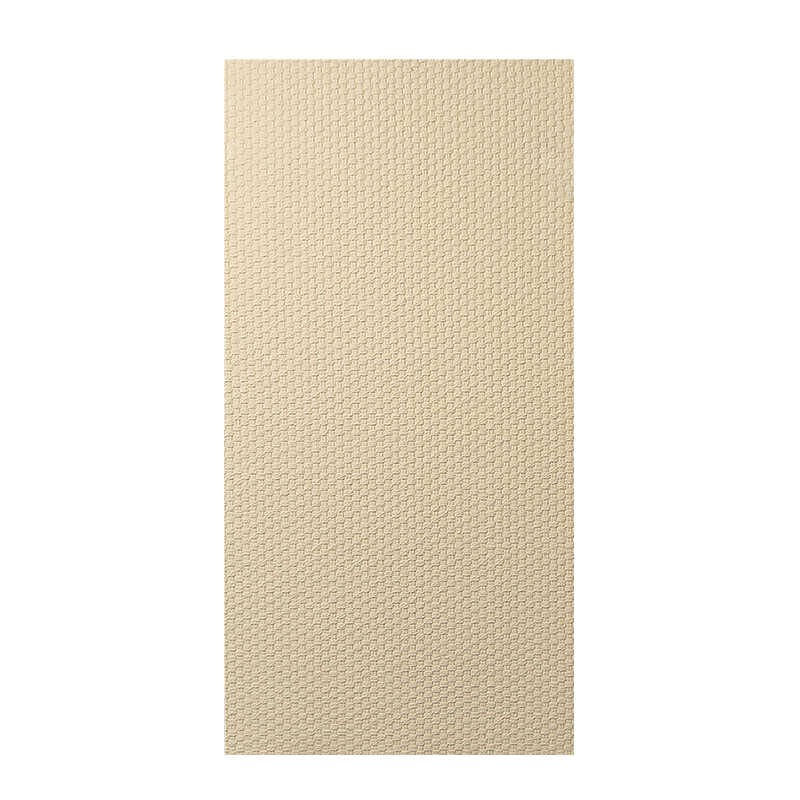
Wall panels are no longer limited to simple flat surfaces. Manufacturers are developing designs featuring wood-like grains, linear grooves, geometric patterns, and three-dimensional textures.
A WPC Wall Panel Factory can create different surface effects through embossing, film application, printing, or other finishing processes. These techniques allow the same basic panel structure to appear in different visual styles.
Wood-inspired textures can create a warm interior appearance, while smooth or geometric surfaces can suit contemporary commercial spaces. Color combinations also influence how panels interact with lighting and surrounding furniture.
Panel Profiles Affect Interior Design
The shape of a wall panel influences both appearance and installation. Some profiles use flat boards, while others feature grooves or raised sections that create a stronger visual rhythm across the wall.
Manufacturers can develop multiple profiles using different extrusion molds. A WPC Wall Panel Factory may therefore produce narrow decorative strips, wider wall boards, fluted panels, or integrated decorative systems.
Panel dimensions can also be adjusted for different project requirements. Width, thickness, length, and surface design all contribute to the final appearance of an installed wall.
Manufacturing Technology Shapes Panel Quality
Extrusion is an important process in WPC panel production. During extrusion, the prepared composite material passes through a specially shaped die that determines the cross-sectional profile.
Temperature, extrusion speed, material composition, and cooling conditions can influence the finished panel. Manufacturers need to coordinate these parameters to maintain consistent dimensions during continuous production.
A WPC Wall Panel Factory may also use cutting machines, embossing equipment, laminating systems, and packaging lines to complete different stages of production.
Color Selection Adds Design Flexibility
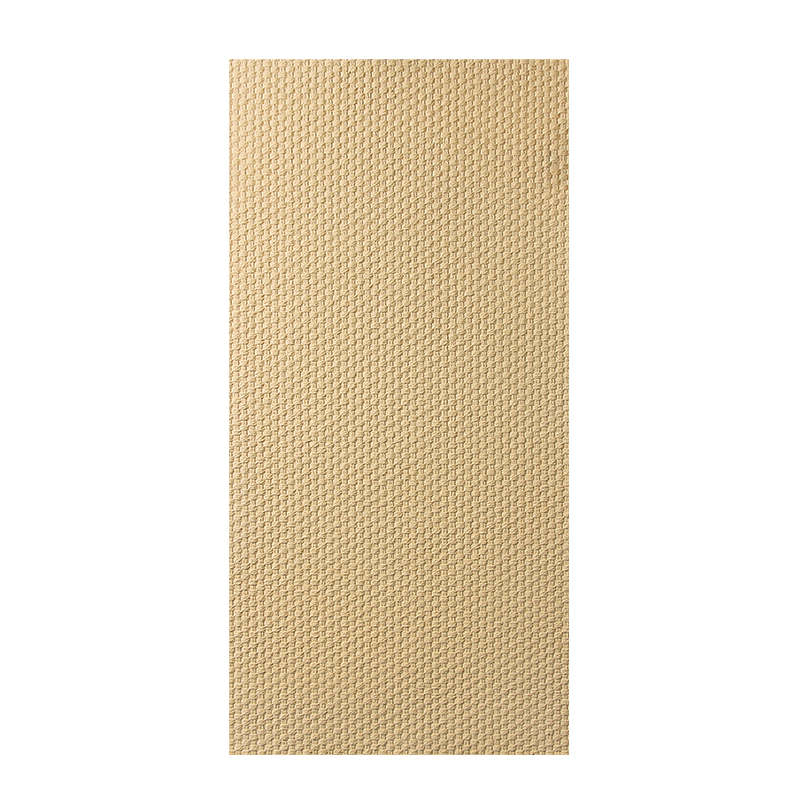
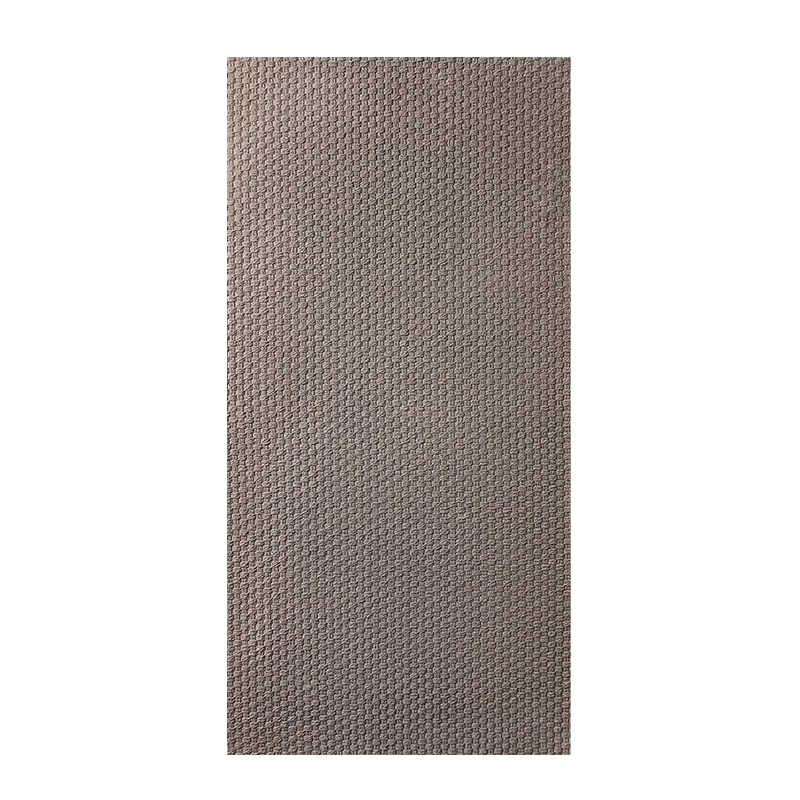
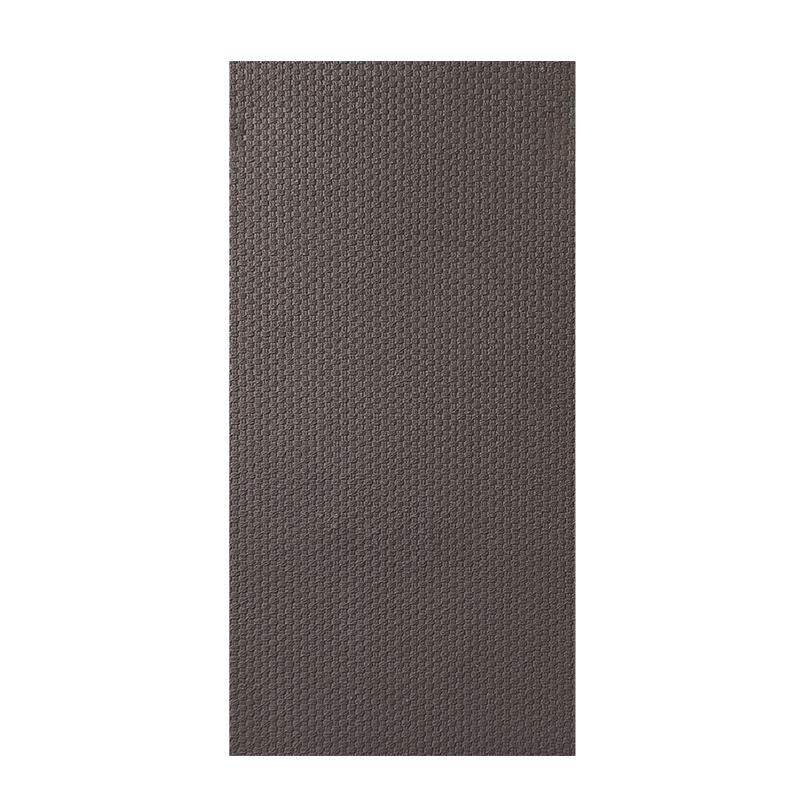
Color is another important factor in WPC wall panel development. Neutral shades such as beige, gray, white, and brown can fit a variety of interior styles. Darker tones can create a stronger contrast, while lighter colors may provide a more open visual effect.
Some panels imitate the appearance of natural wood, using printed grain patterns and coordinated color combinations. Others focus on solid colors or modern decorative effects.
For a WPC Wall Panel Factory, offering different colors and surface styles allows distributors, designers, and project buyers to select panels according to specific interior concepts.
WPC Panels Serve Different Spaces
WPC wall panels can be used in living rooms, bedrooms, offices, retail interiors, hotels, restaurants, and other decorative spaces. Their modular format allows designers to combine different panel widths, textures, and colors.
In residential projects, wood-style panels can create feature walls behind televisions, beds, or sofas. Commercial interiors may use textured panels to define reception areas, meeting rooms, display walls, or decorative sections.
A WPC Wall Panel Factory can develop product ranges for these different applications by changing panel profiles, surface textures, colors, and dimensions.
Customization Supports Project Requirements
Interior projects often have different visual concepts, so standardized panels may not always match every design. Manufacturers can respond by offering customized dimensions, colors, textures, and profile structures.
The ability to adjust production specifications gives a WPC Wall Panel Factory more flexibility when working with distributors and project-based buyers.
From extrusion profile design to surface finishing, each production stage can contribute to the final appearance of the wall panel. This combination of material engineering and decorative design has made WPC wall panels an increasingly diverse category in interior decoration.