English
  русский
  عربى
عربى 
What Sets Polystyrene Panels Apart
Polystyrene as a material brings a specific set of properties to wall decoration. It's notably light compared to wood, gypsum, or stone-based alternatives, which matters both during shipping and during installation. A crew handling PS wall panel decorative sheets can move and position them without the strain that comes with heavier materials, and that lighter weight also reduces stress on the wall structure itself, particularly useful in older buildings or lightweight partition walls.
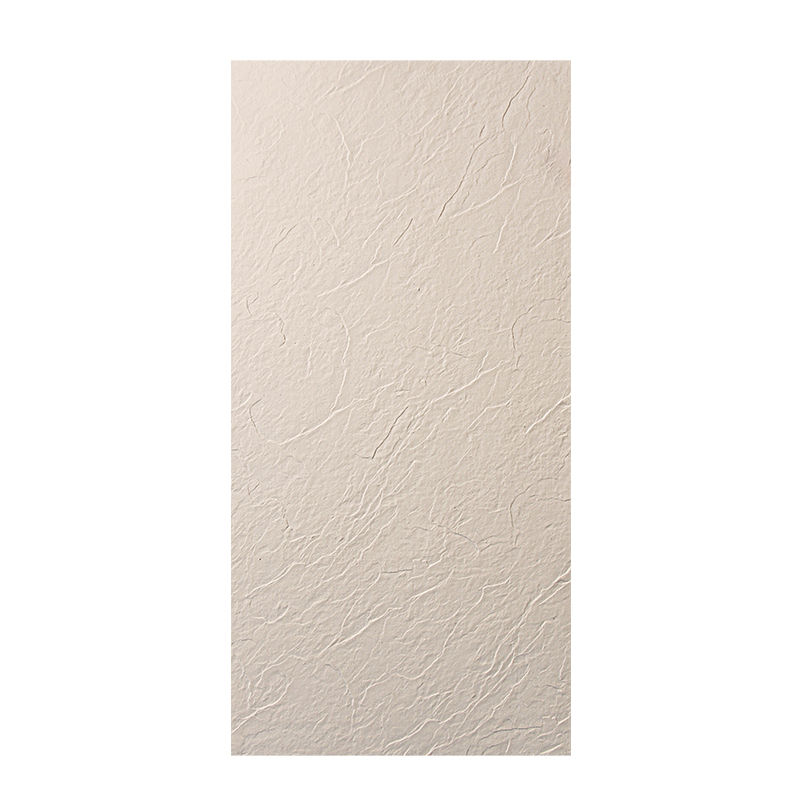
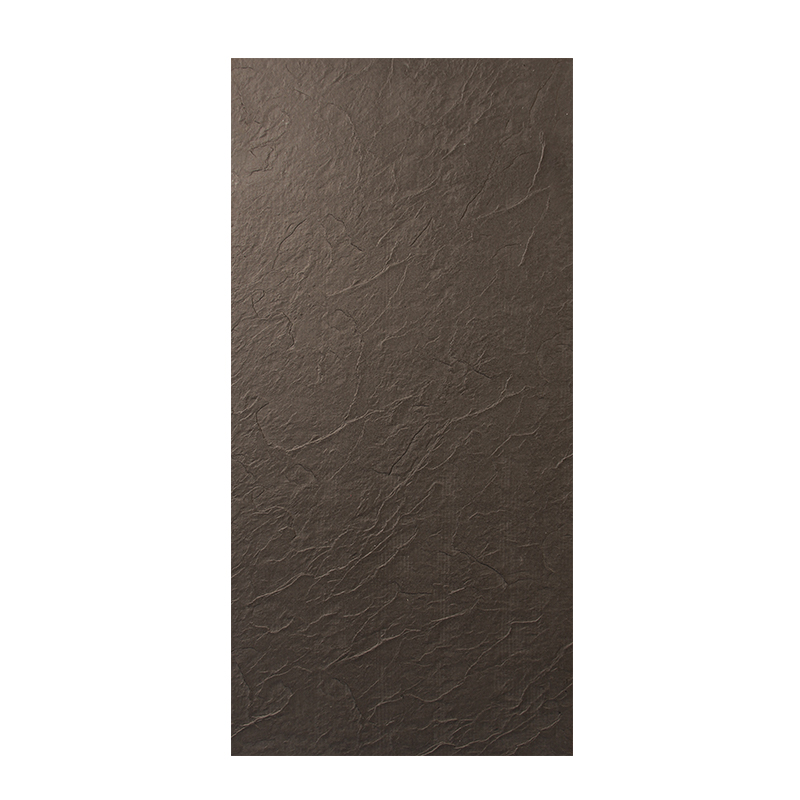
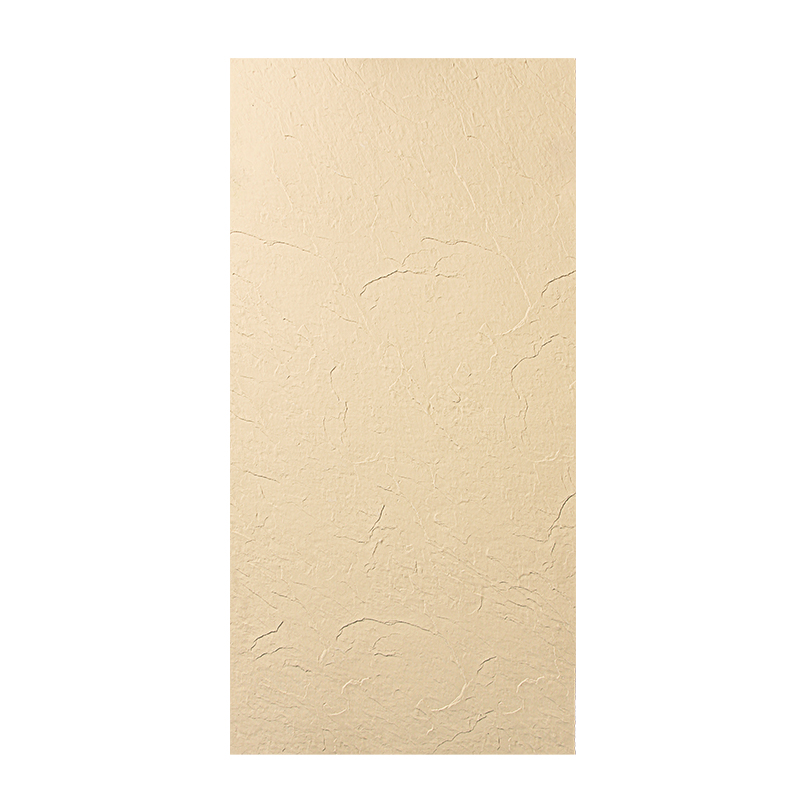
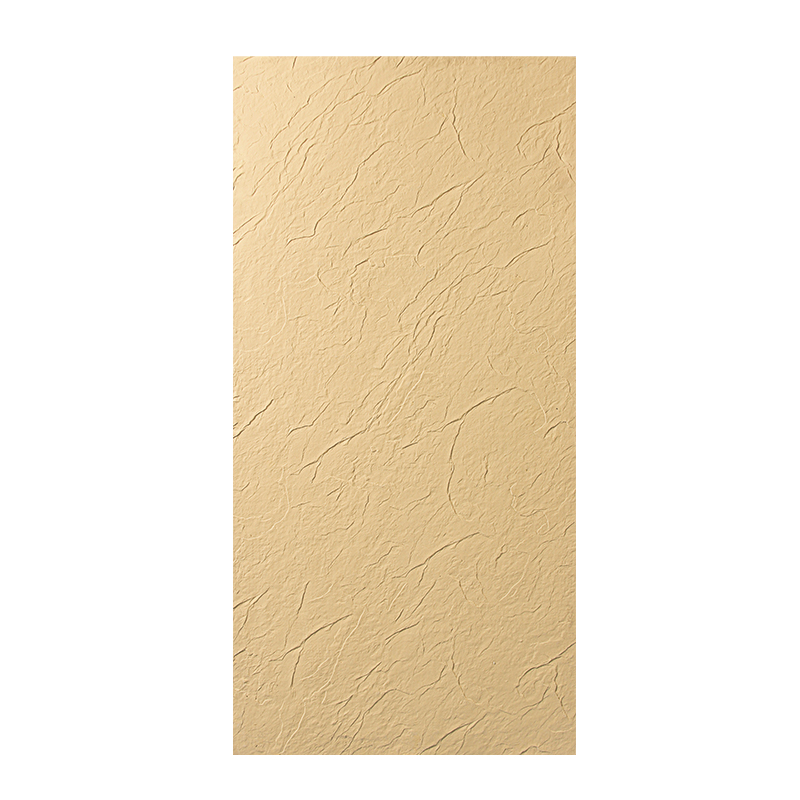
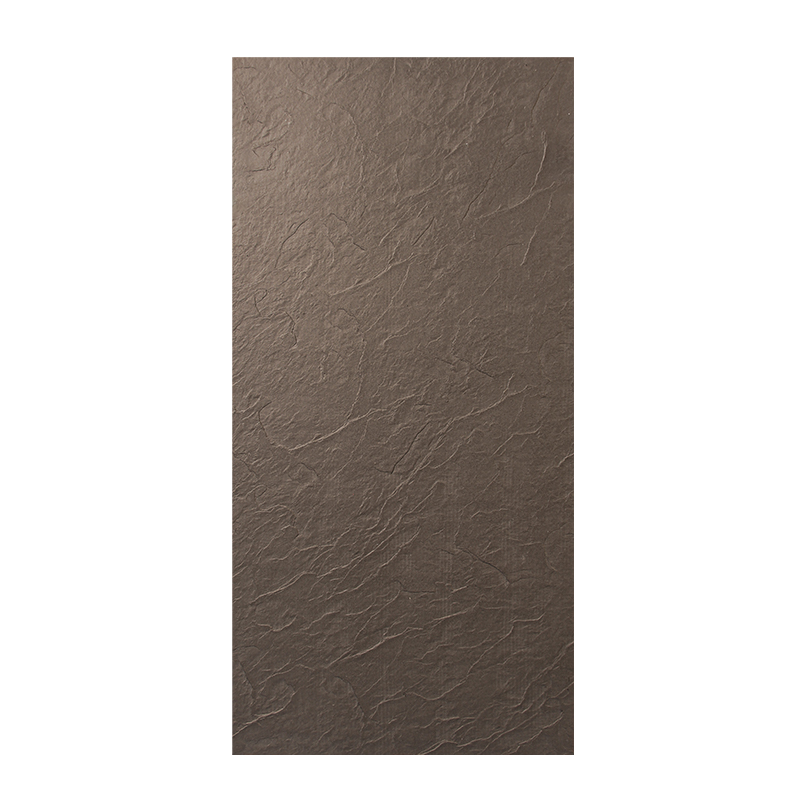
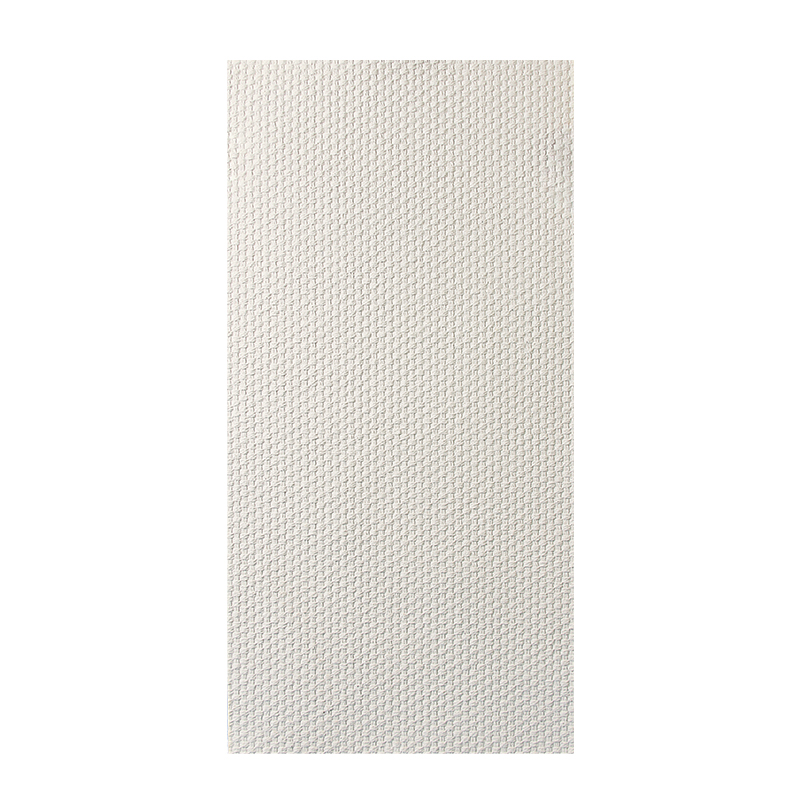
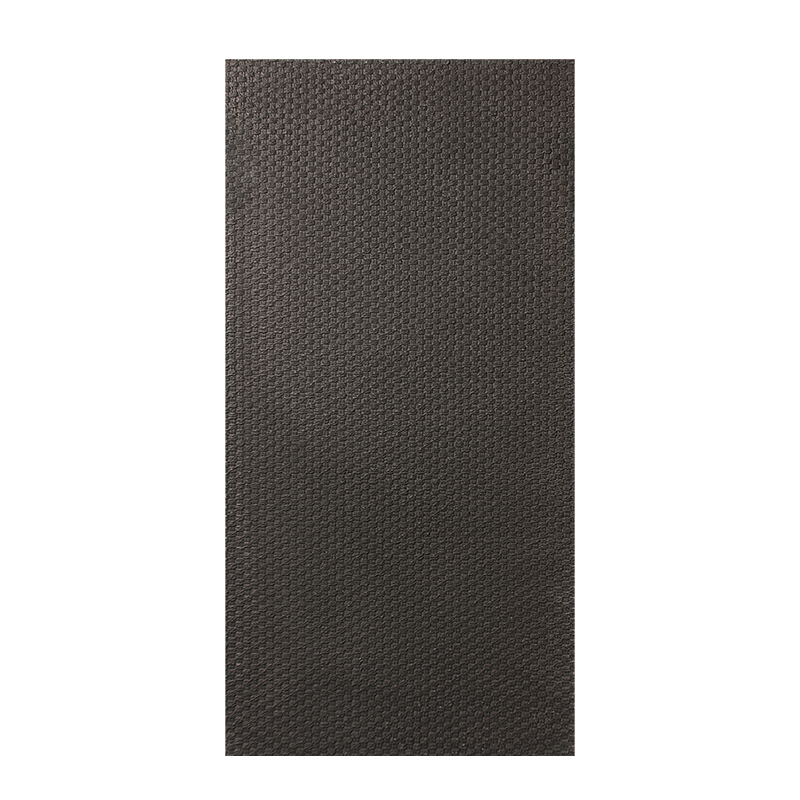
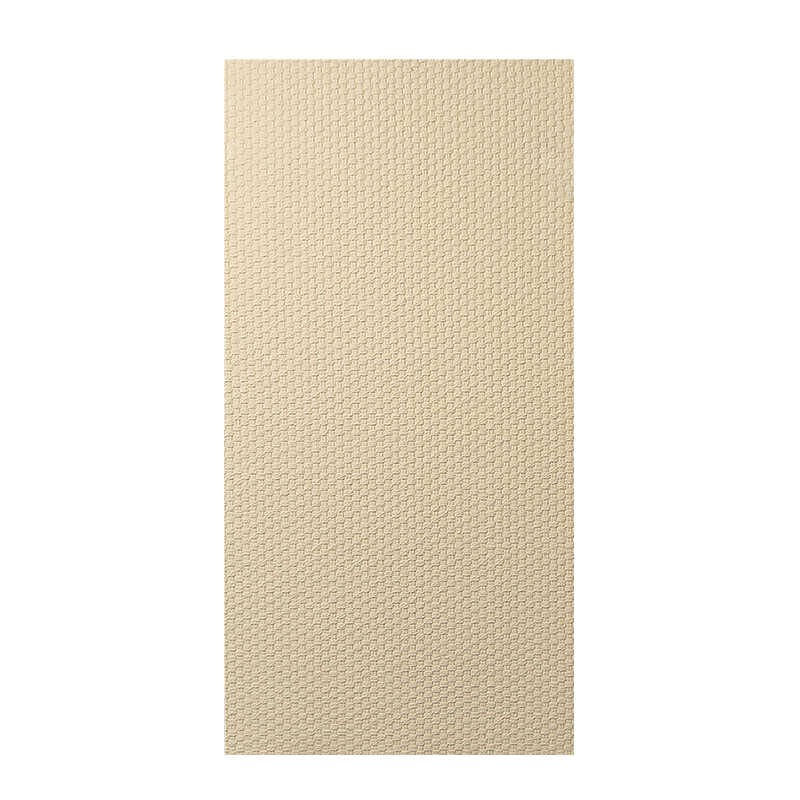
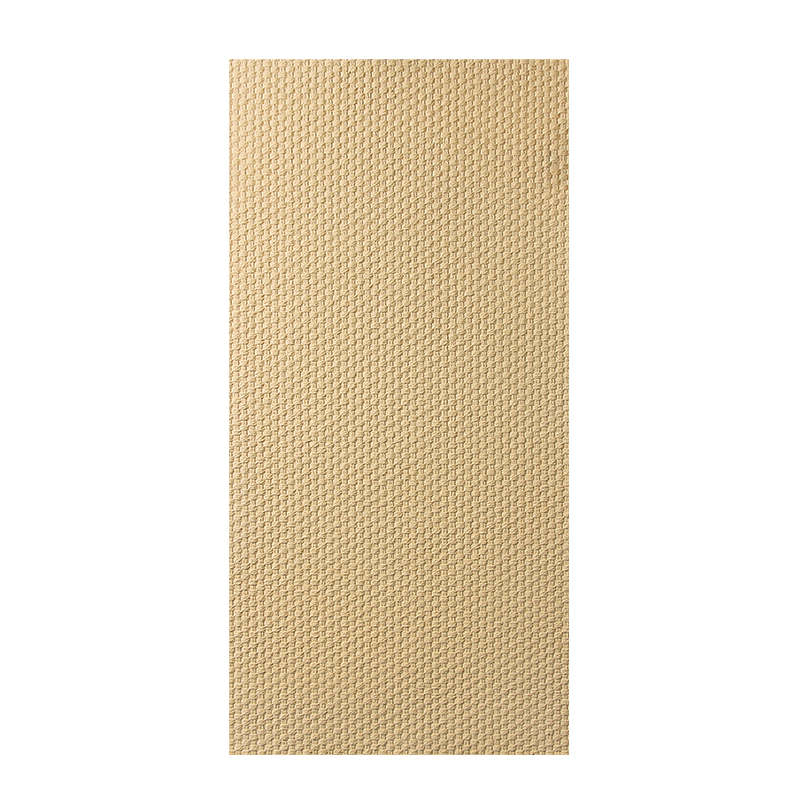
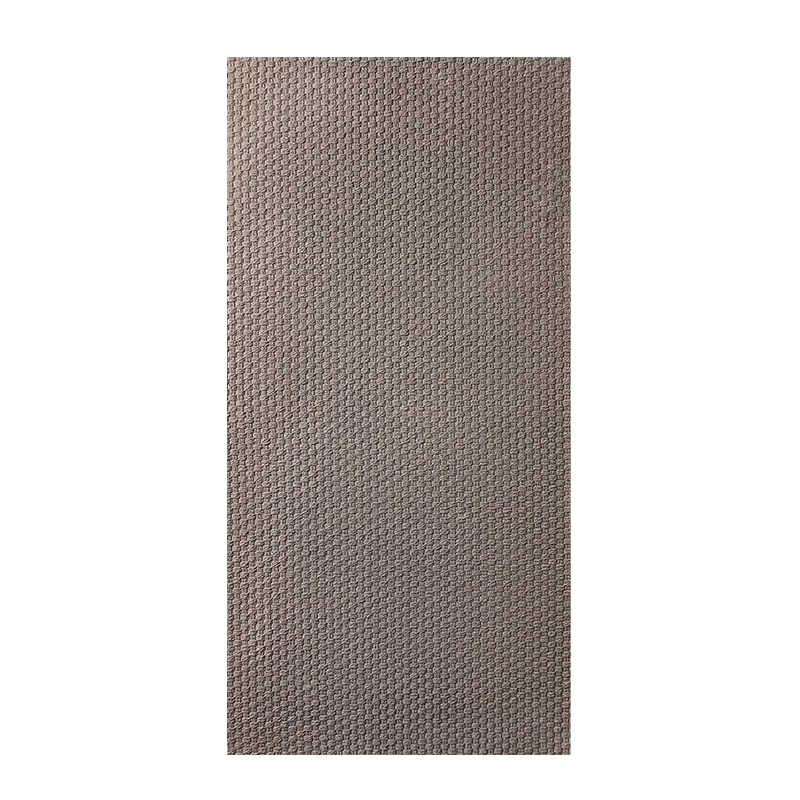
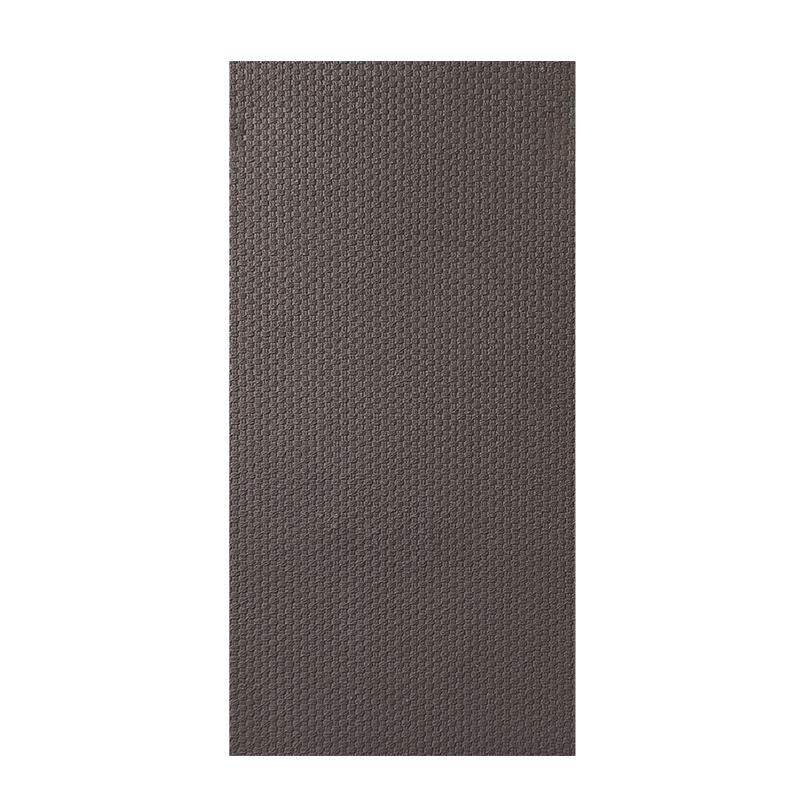
The material also molds well into detailed patterns. Manufacturers can press intricate designs, geometric textures, or relief patterns into polystyrene with a level of consistency that's harder to achieve with carved wood or cast plaster. This is part of why PS wall panel decorative products often come in such a wide range of surface patterns, from subtle woven textures to bolder three-dimensional geometric shapes.
Installation Advantages Worth Noting
One of the more practical draws of PS wall panel decorative sheets comes down to how they go up. Compared to plaster work or tile installation, these panels typically install faster and with fewer specialized tools. A few installation characteristics tend to come up repeatedly:
- Panels often attach with adhesive, reducing the need for extensive fastening hardware
- Pre-cut edges allow adjacent panels to align with minimal visible seams
- Lightweight construction means less structural reinforcement is needed before mounting
This combination shortens project timelines noticeably. A wall that might take days to finish with traditional plaster relief work can often be completed in a fraction of that time using panel-based approaches, which matters for commercial spaces trying to minimize downtime during renovation.
Where These Panels Show Up
PS wall panel decorative products appear across a fairly wide range of settings. Residential interiors use them for accent walls, ceiling trim, and decorative molding that mimics the look of carved wood or plaster without the associated weight or cost of those materials. Commercial spaces, including retail interiors, restaurants, and hospitality venues, often turn to these panels when they need visually distinctive walls that can be installed quickly during a build-out or refresh.
The versatility extends to how panels get finished as well. Many PS wall panel decorative products accept paint after installation, allowing designers to match a specific color scheme rather than being locked into whatever finish the panel ships with. Others come pre-finished in wood-look, metallic, or textured coatings that are ready to install without additional treatment.
Texture and Pattern Variety
Pattern selection plays a large role in how a finished wall reads visually. Geometric relief patterns tend to suit modern or minimalist interiors, adding depth through shadow and light rather than color. Ornate, scroll-style patterns lean toward more traditional or classic interior styles, echoing the look of carved plaster molding from earlier design periods. Because polystyrene molds so precisely, manufacturers can offer both extremes, and everything in between, within the same general product category.
Panel thickness also affects how pronounced this texture appears. Thinner panels create subtler surface variation suited to accent details or trim work, while thicker panels produce deeper shadow lines and a more dramatic three-dimensional effect when viewed under angled lighting, something designers often account for when planning how a room will be lit.
Matching Panels to the Right Space
Not every PS wall panel decorative style fits every room equally well. Smaller spaces tend to benefit from finer, more subtle textures that add interest without overwhelming the room visually, while larger open areas can handle bolder relief patterns without feeling busy. Ceiling height also factors into pattern scale, since a large geometric design that looks balanced on a tall wall might feel oversized in a room with lower ceilings.
Color and lighting interact closely with panel texture as well. Because much of the visual effect from these panels comes from shadow created by their raised surface, the direction and intensity of room lighting can change how prominent a pattern appears from one space to the next, something worth factoring in before settling on a specific PS wall panel decorative style for a given room.