English
  русский
  عربى
عربى 
Skirting PS is a type of interior trim made from polystyrene-based material. Its lightweight structure, consistent shape, and range of surface finishes make it suitable for different interior projects. Rather than becoming a major visual feature, it usually works as a supporting detail that helps bring separate surfaces together.
A Small Detail Along the Wall
The lower section of a wall can look unfinished when there is no clear transition between wall and flooring. Skirting introduces a narrow visual boundary that follows the room's perimeter.
A Skirting PS profile can be produced in different shapes, widths, and surface styles. Straight profiles create a simple appearance, while shaped or layered profiles can introduce more decorative detail.
This flexibility allows interior designers and building-material suppliers to select profiles according to the overall character of a room instead of using one fixed appearance everywhere.
Why PS Material Fits Interior Trim
Polystyrene is a lightweight material that can be formed into various profiles. This characteristic is useful for trim products because manufacturers can create straight edges, curved details, stepped sections, and decorative patterns without making the finished product unnecessarily heavy.
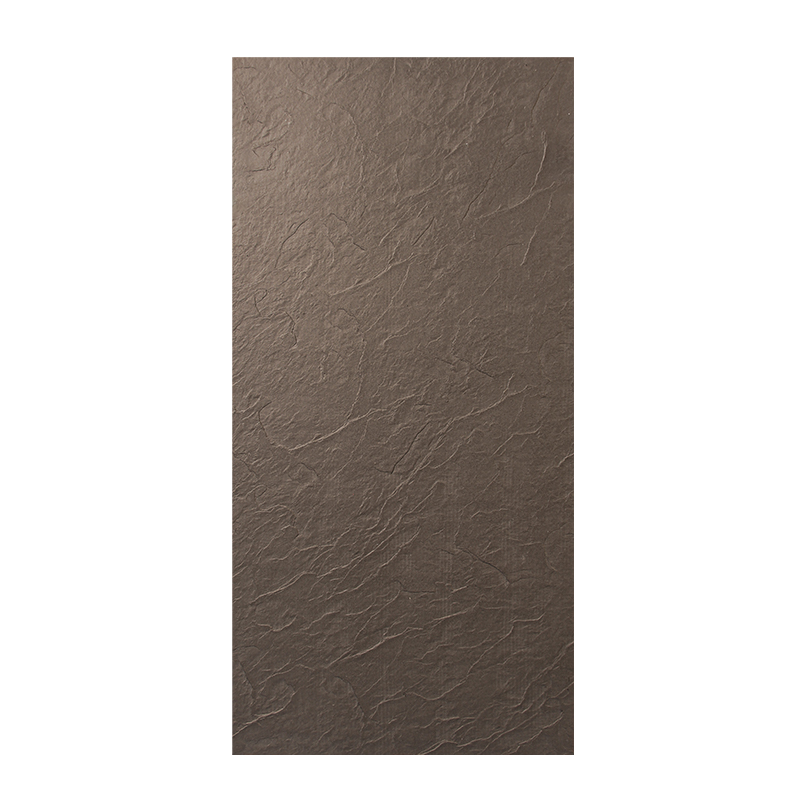
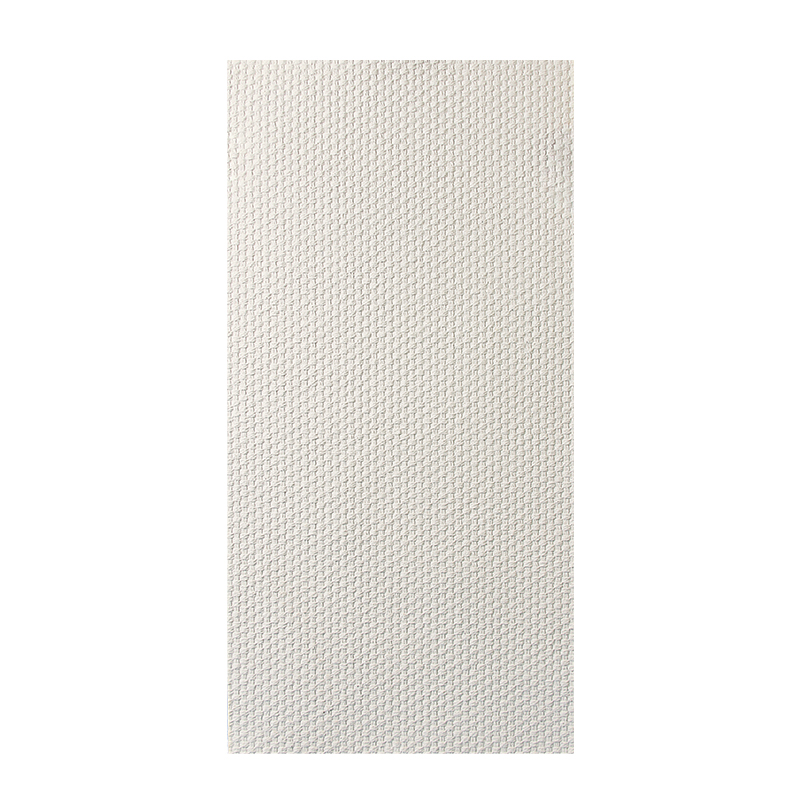
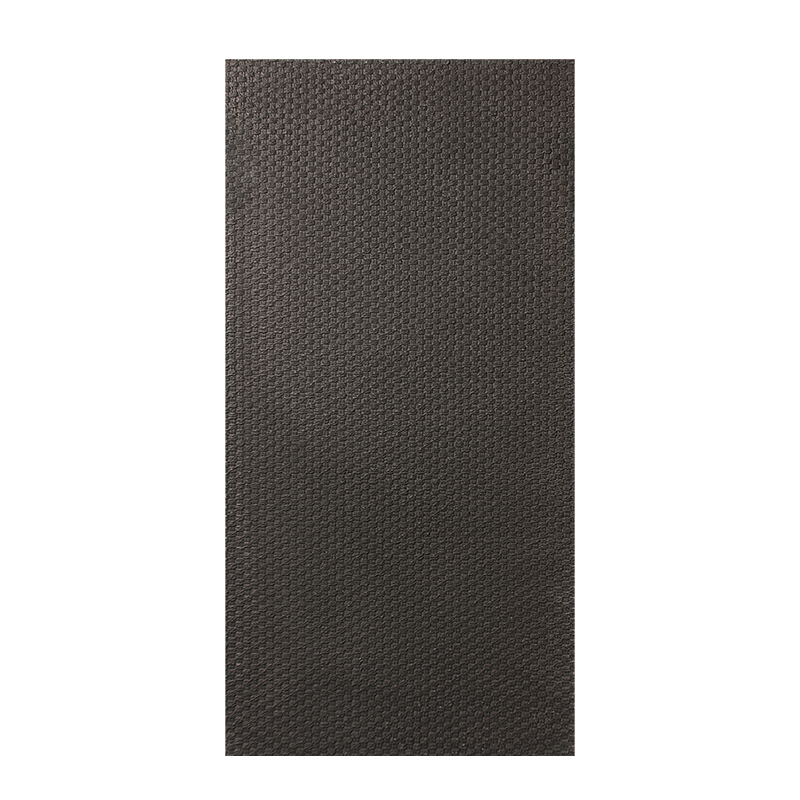
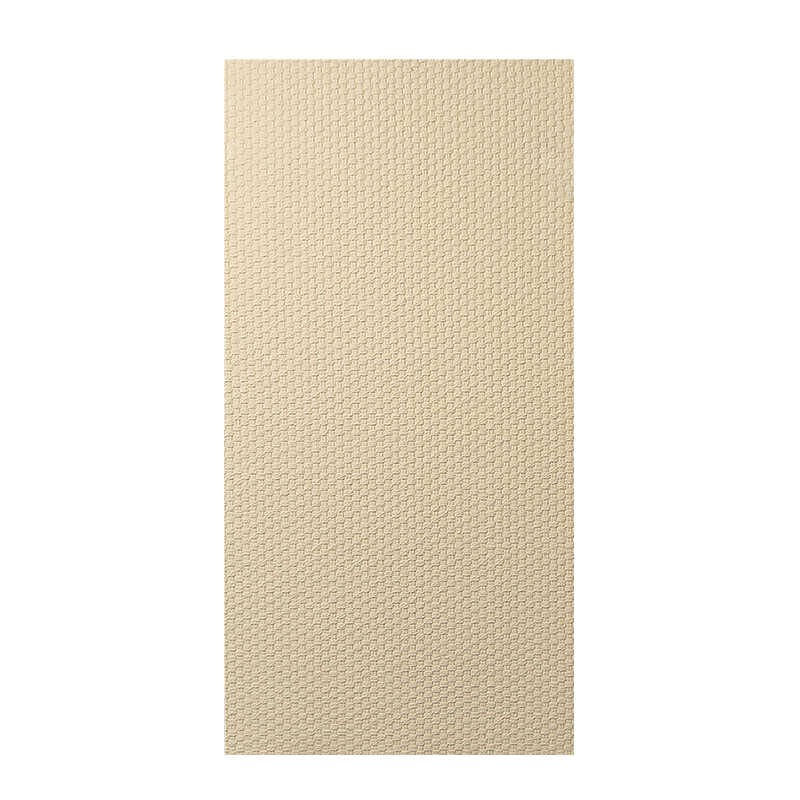
For Skirting PS, the material also provides a relatively uniform surface that can work with different decorative treatments. Depending on the product design, the surface may imitate painted finishes, wood textures, or other interior patterns.
The material itself is only part of the product. Profile design, surface treatment, dimensions, and installation method all contribute to how the finished skirting works within an interior space.
Profiles Can Change the Overall Impression
The shape of skirting can influence how a wall appears from floor level upward. A narrow profile may create a subtle boundary, while a wider profile can become a stronger part of the room's interior character.
A Skirting PS profile with clean lines can suit contemporary interiors, while profiles featuring grooves or layered edges may work with more decorative spaces. This means the product is not limited to one design language.
Small differences in profile geometry can also matter when multiple rooms need to maintain a consistent visual theme. Matching profiles across corridors, bedrooms, offices, or commercial interiors can create a more connected appearance.
A Useful Product Category for Suppliers
For interior-material suppliers, skirting products can be offered alongside wall panels, flooring accessories, decorative trims, and other finishing materials. This creates a broader product selection around the same interior project.
The lightweight nature of Skirting PS can also influence how suppliers organize product specifications. Dimensions, profile shape, surface finish, color, packaging format, and customization options are common areas for product differentiation.
OEM and private-label projects may also use different surface patterns or profile designs according to a customer's product range. This gives manufacturers room to develop several variations from the same basic material concept.
More Than a Decorative Strip
Although skirting occupies a narrow section of the wall, its role is not purely decorative. It creates a defined edge between two surfaces and gives the lower wall area a more finished appearance.
A Skirting PS product can also help designers maintain visual continuity around a room. When the same profile follows the wall perimeter, corners and long wall sections become part of one continuous design line.
This makes skirting particularly relevant in projects where small finishing details contribute to the overall interior presentation.