English
  русский
  عربى
عربى 
Why Are Decorative Wall Details Gaining Attention?
Plain walls offer a clean starting point, but they can sometimes make a room feel flat. Interior designers and property developers often use wall details to introduce texture, contrast, and visual structure without changing the entire layout. This is where PS Wall Panel Decorative products come into the picture.
Made from polystyrene, these decorative panels can feature grooves, raised lines, geometric patterns, or designs that resemble traditional wall mouldings. Their appearance varies by profile, finish, and installation layout. Some create a subtle backdrop, while others turn an empty wall into a prominent design feature.
For residential projects, commercial interiors, hotels, and retail spaces, decorative panels provide another way to define the character of a room. Their role is not simply to cover a wall but to influence how the surrounding furniture, lighting, and colours work together.
What Design Styles Can These Panels Support?
One reason PS Wall Panel Decorative products attract attention is their flexibility in interior styling. Different profiles can produce noticeably different effects, even when applied to walls of similar size.
Slim vertical lines can make a wall appear taller, while horizontal patterns can create a wider visual impression. Geometric designs introduce a contemporary feel, whereas framed moulding patterns can complement classic or transitional interiors.
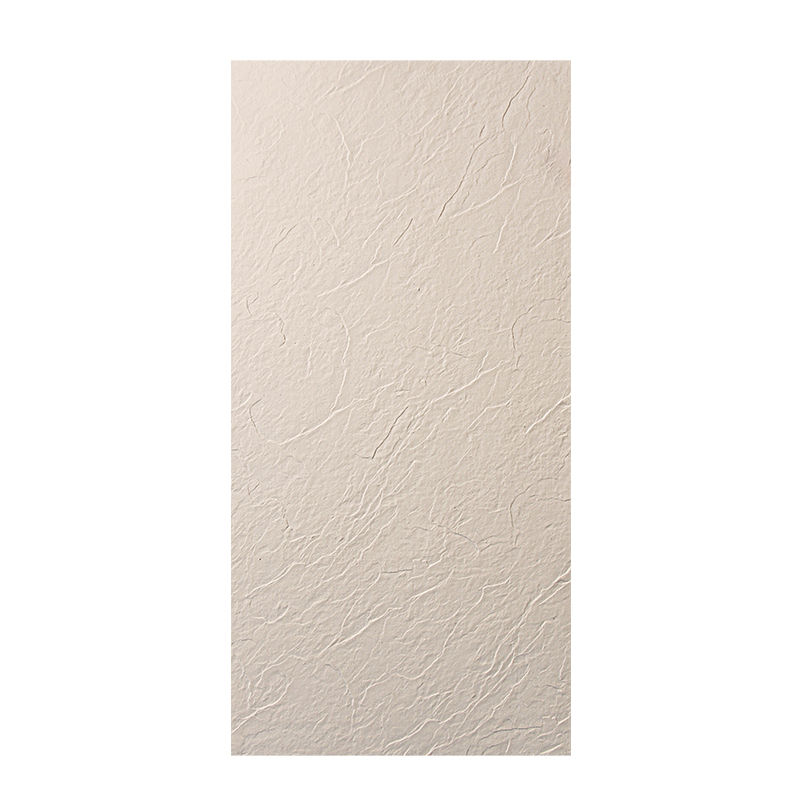
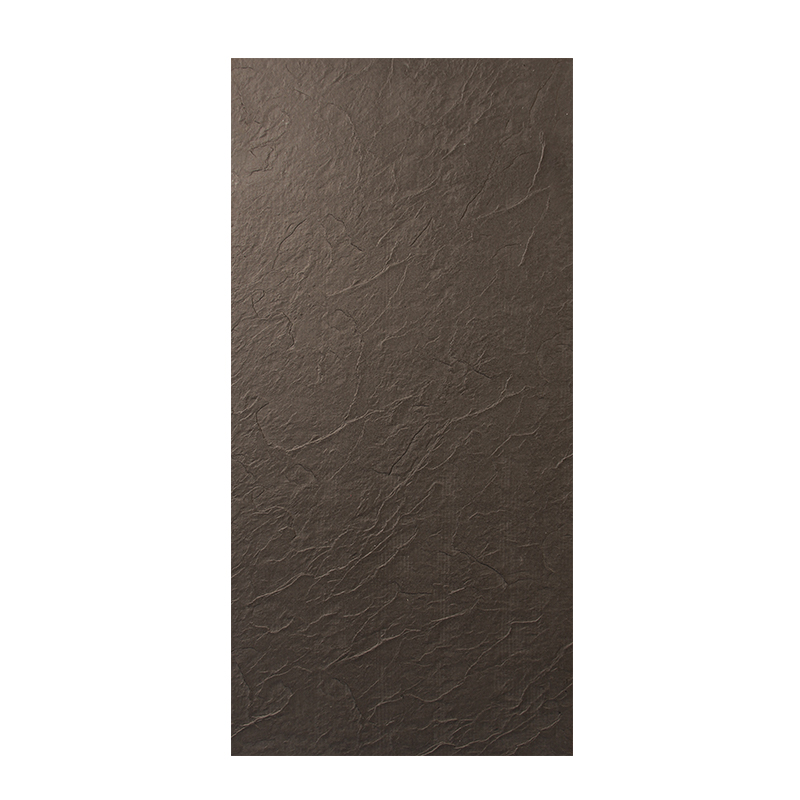
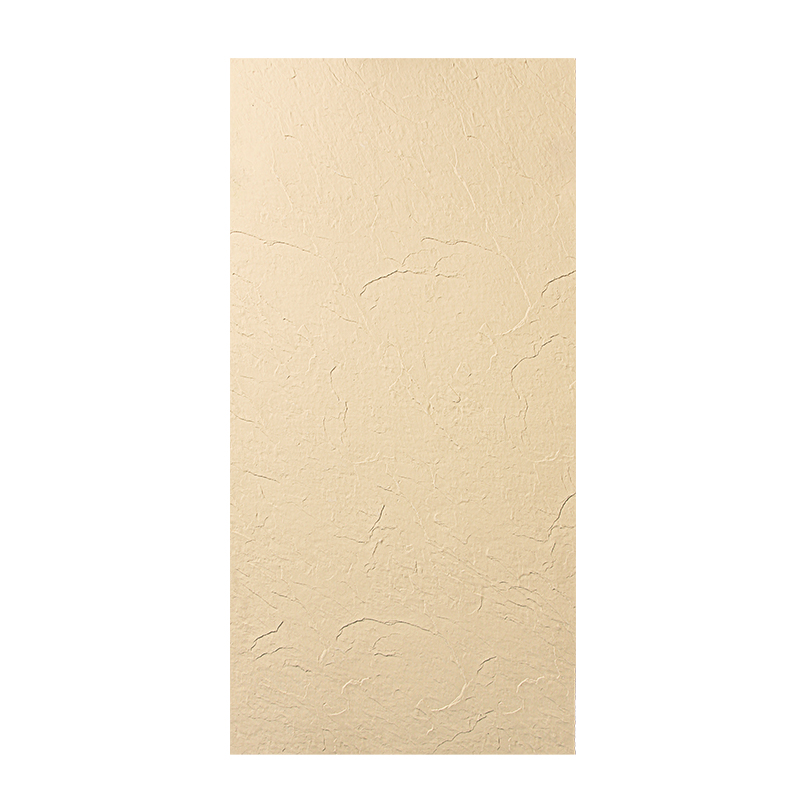
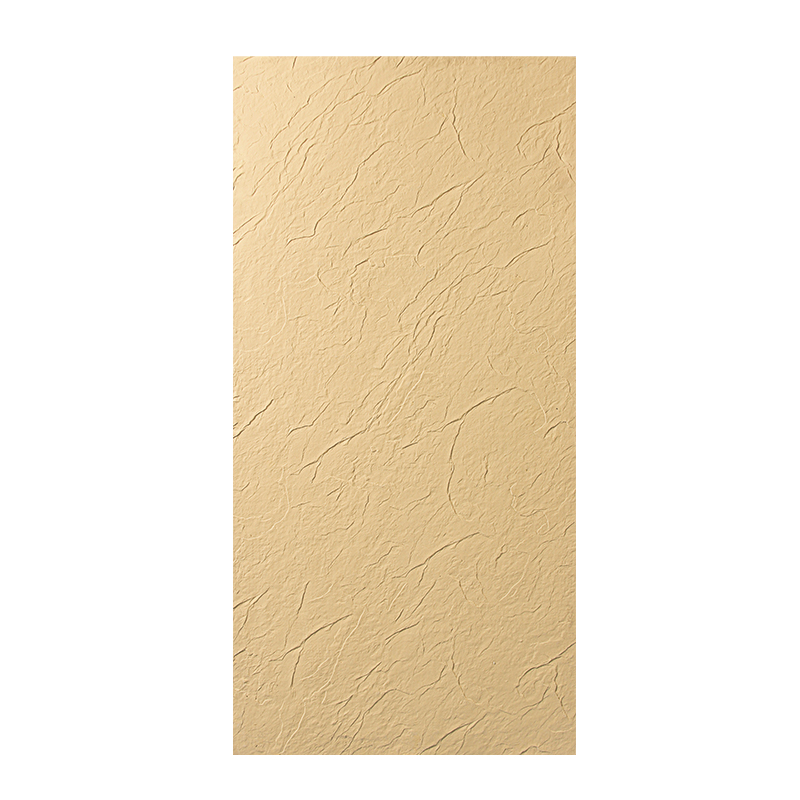
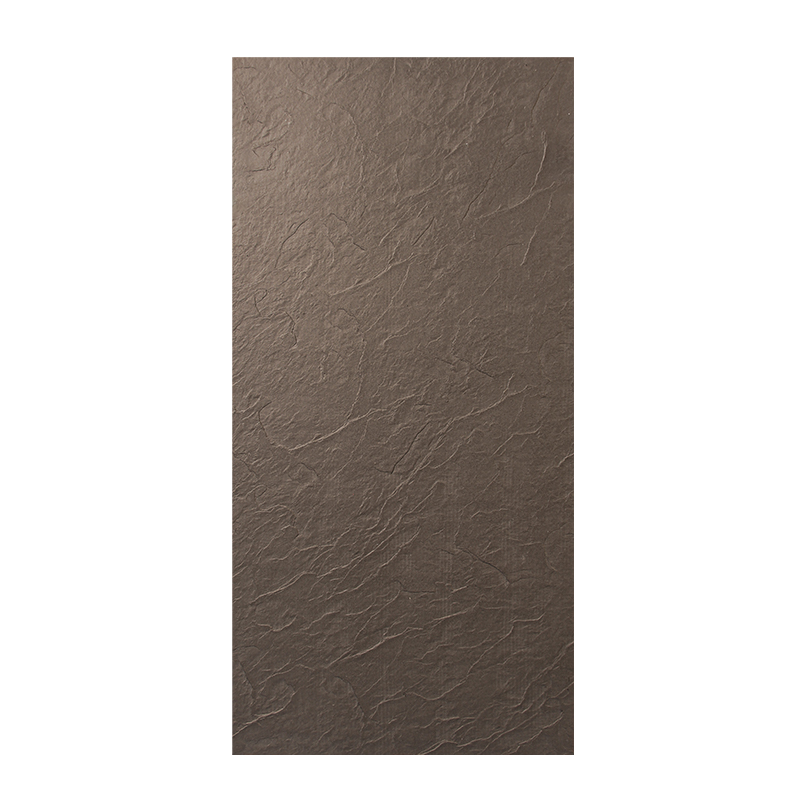
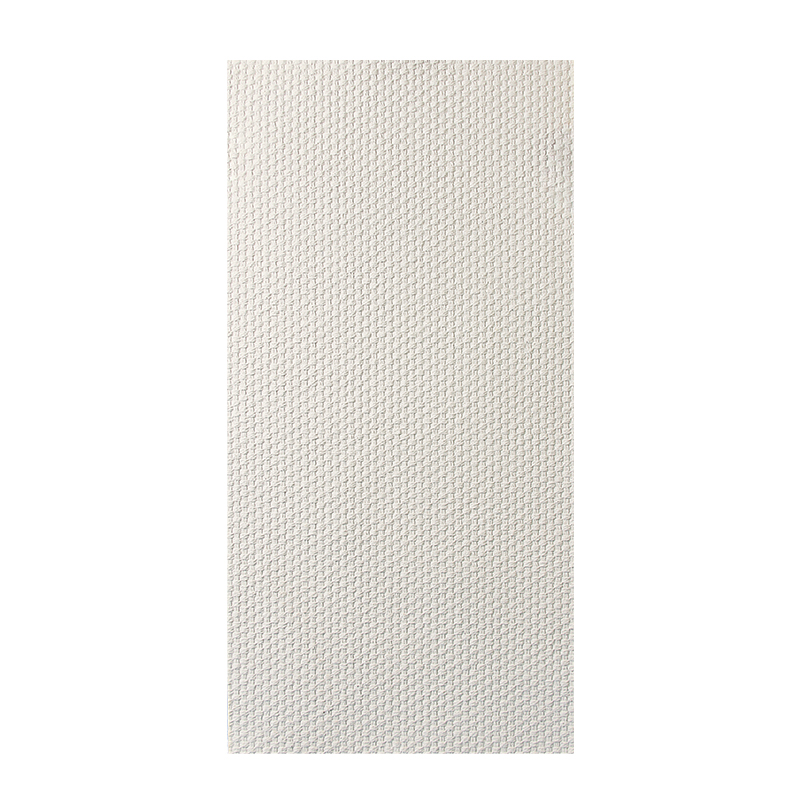
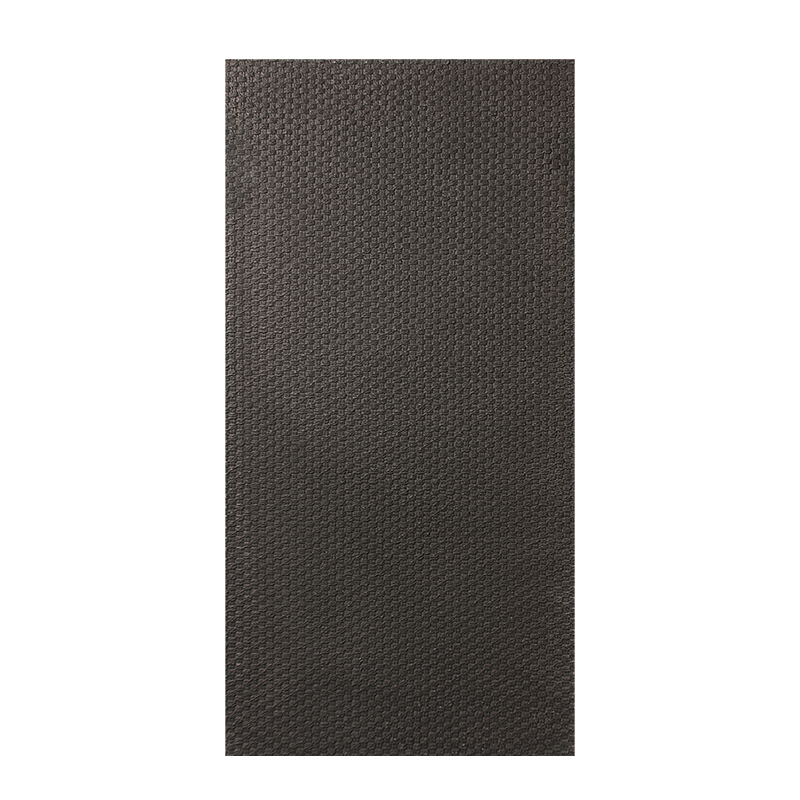
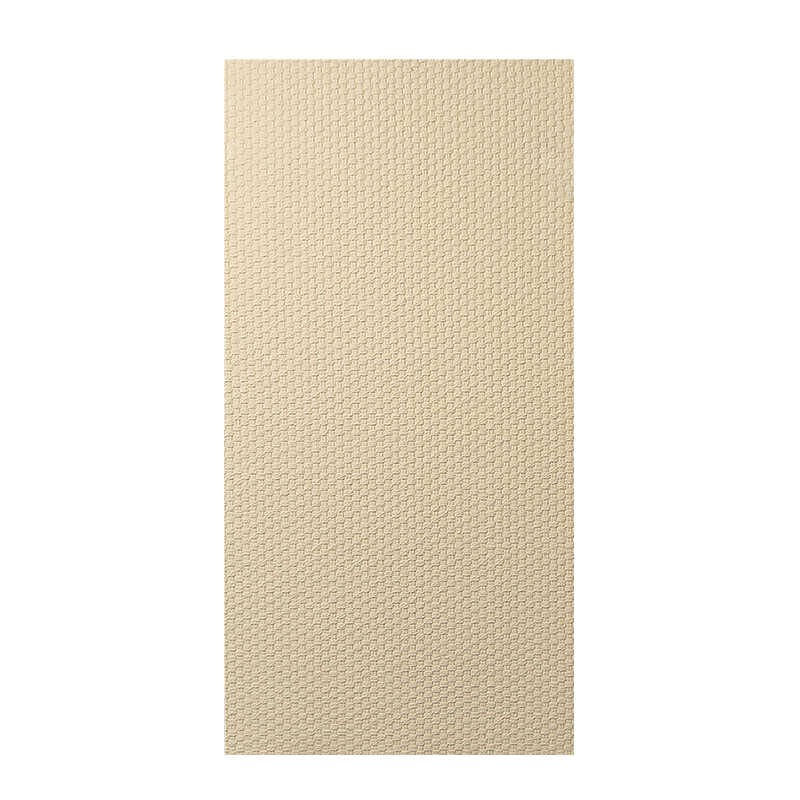
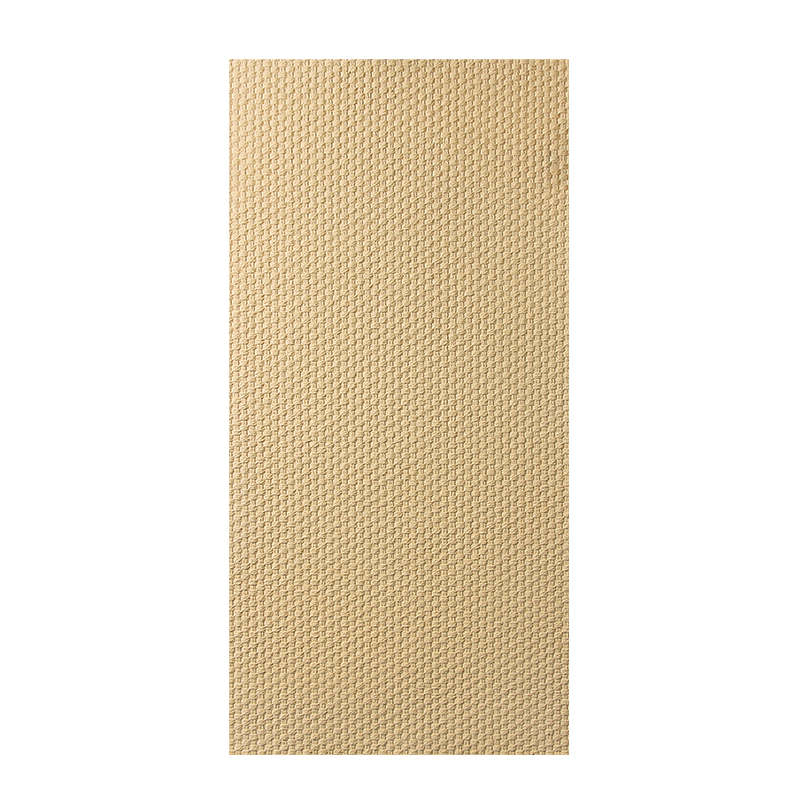
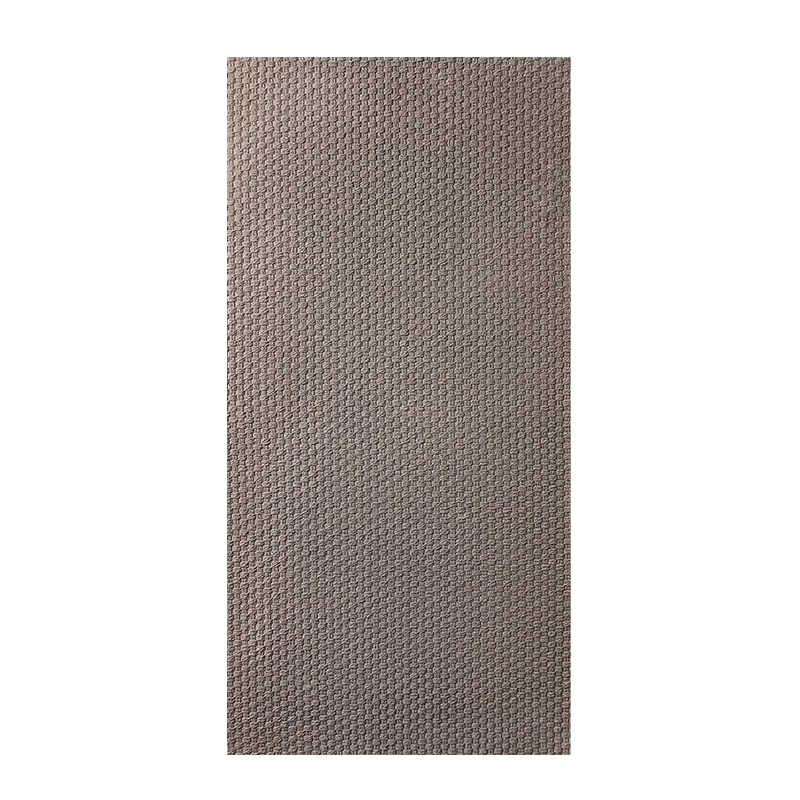
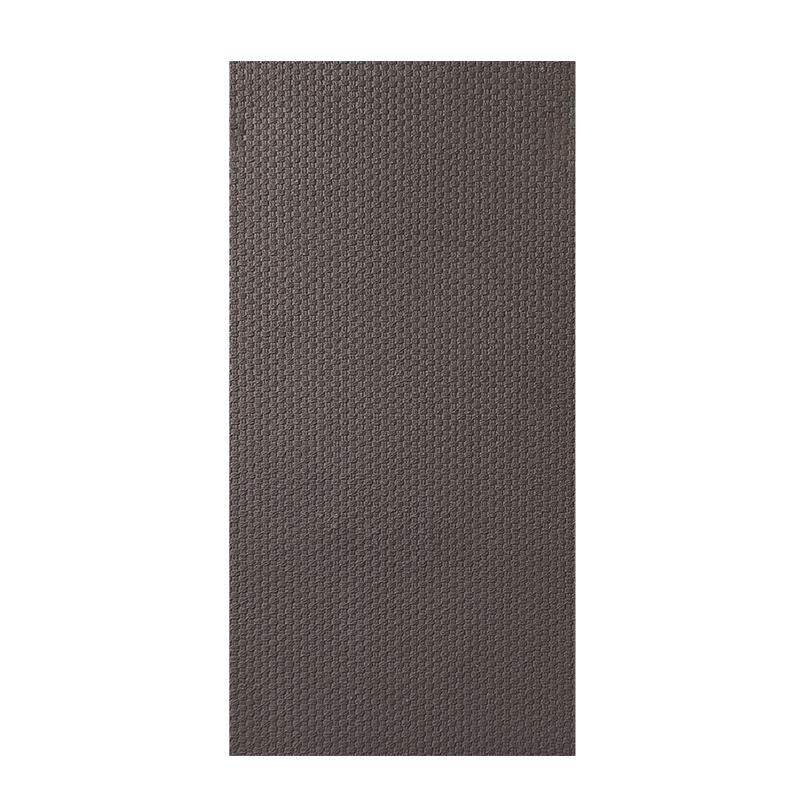
Colour also affects the final result. White panels against a neutral wall can create understated definition. Darker finishes may add contrast behind a sofa, reception desk, or television area. Wood-look finishes can introduce a warmer visual tone without relying on solid timber surfaces.
The surrounding design still matters. A heavily patterned panel may compete with busy wallpaper or decorative furniture, while a simpler profile can work comfortably with different materials. Selecting a pattern that suits the room's proportions helps maintain a balanced appearance.
Where Can Decorative PS Wall Panels Be Used?
Different spaces call for different approaches to wall decoration. In living rooms, panels are often placed behind sofas or television units to establish a focal point. In bedrooms, a patterned wall behind the bed can provide visual structure without filling the room with additional decorative objects.
Commercial interiors offer other possibilities. Hotels may use decorative panels to distinguish guest areas, corridors, and reception spaces. Shops can incorporate them into display backgrounds, helping products stand out against a more structured surface. Offices may use restrained patterns to give meeting rooms or reception areas a more considered appearance.
PS Wall Panel Decorative products can also be considered for selected ceiling details, depending on the panel design and its intended installation method. However, suitability varies between products, so the manufacturer's installation guidance should be checked before specifying them for a particular surface.
How Can Panels Work with Other Interior Materials?
Decorative panels rarely exist in isolation. Their appearance depends on how they interact with paint, flooring, furniture, metal trims, glass, and lighting. A simple white profile can complement stone-look surfaces, while a linear panel may coordinate with contemporary furniture and clean architectural forms.
Using too many competing patterns can make a room feel visually crowded. One defined feature wall, supported by simpler surrounding surfaces, can create a clearer arrangement. Repeating a panel detail in selected areas may also connect separate parts of a larger interior.
PS Wall Panel Decorative products give designers and project teams another option for shaping interior surfaces. By considering profile, colour, scale, and placement together, they can select wall details that suit the room's purpose and establish a consistent visual style.