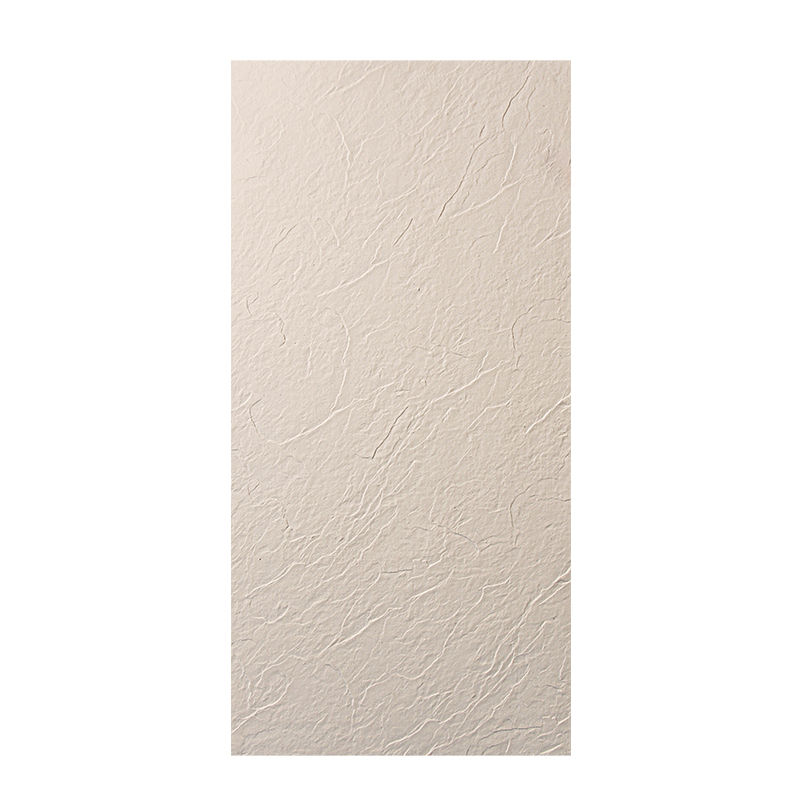
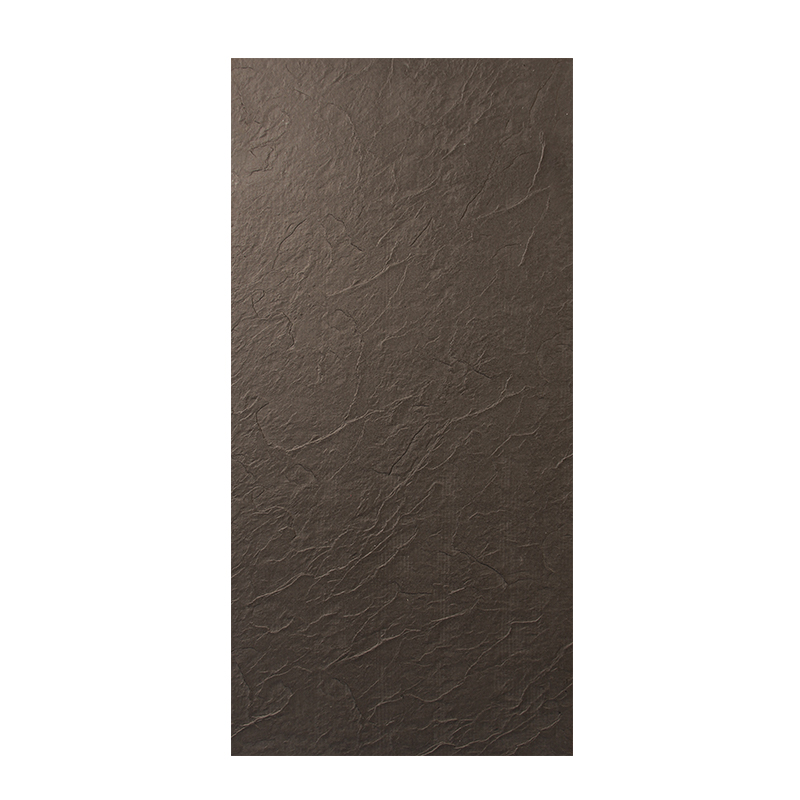
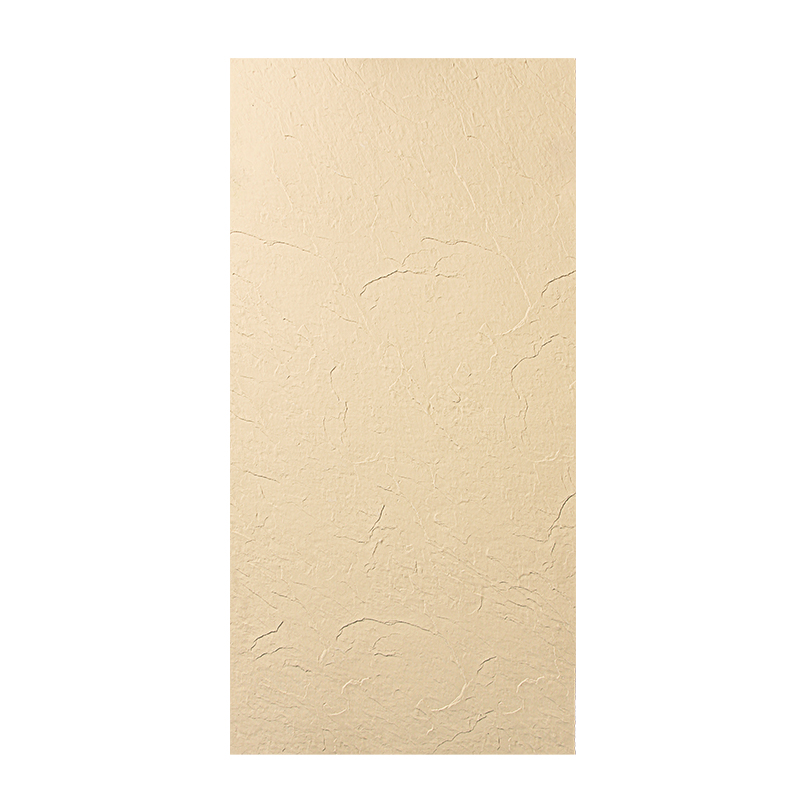
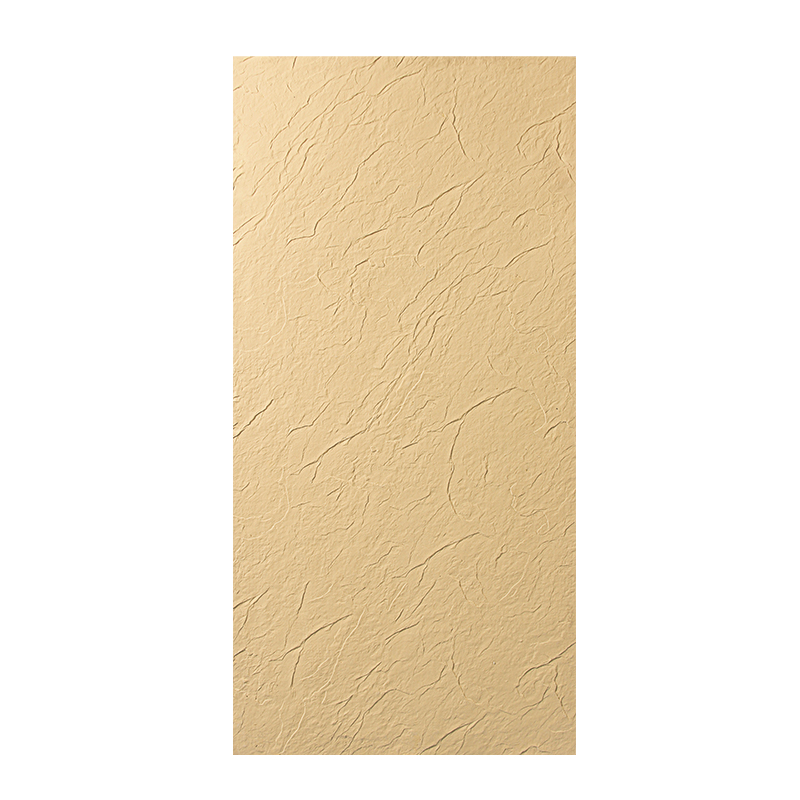
English
  русский
  عربى
عربى 
Renovation contractors and interior fit-out suppliers keep circling back to the same material question: what's a wall covering that installs fast, looks finished without much labor, and doesn't demand a specialist crew? For a growing number of buyers, the answer lands on PS wall panel — polystyrene-based paneling that's carved out a steady spot in both commercial and residential fit-out projects.
What PS Wall Panel Actually Is
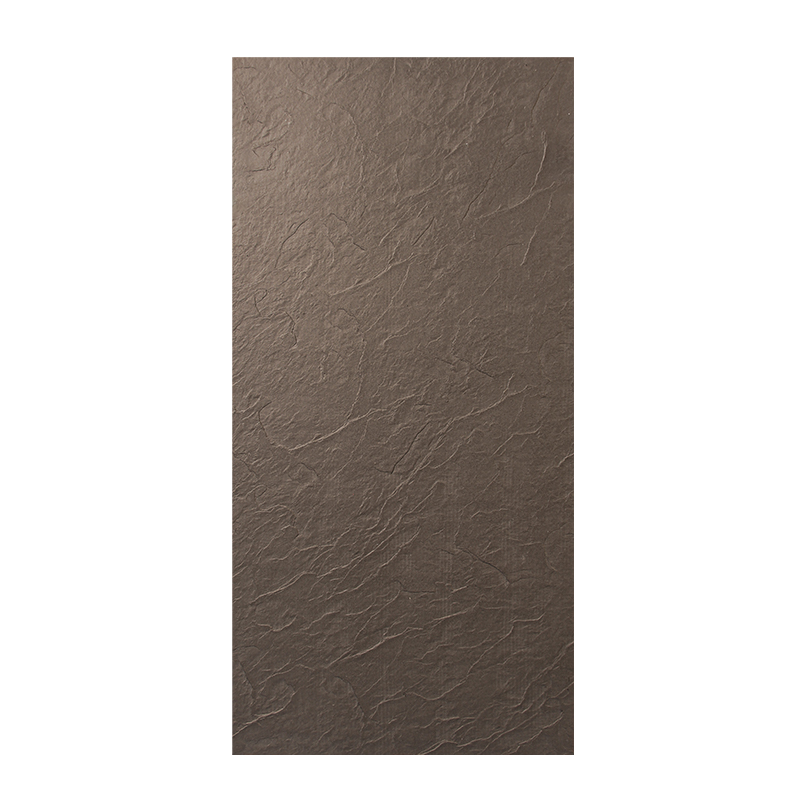
PS wall panel is made from polystyrene, a lightweight plastic that's molded or extruded into decorative sheets, often finished to mimic wood grain, marble, or textured stone. Compared to solid wood paneling or natural stone veneer, PS panels weigh considerably less, which cuts down on shipping costs and makes installation faster since crews aren't wrestling with heavy material overhead. Buyers sourcing for interior fit-out projects tend to request this material specifically because it handles moisture better than raw wood, without needing the sealing and prep work wood paneling usually calls for.
Thickness and Panel Sizing
Panel thickness affects both rigidity and how the material handles during installation. Thinner panels are easier to cut and fit into tight spaces but can flex more during handling, while thicker panels hold their shape better across larger wall sections. A general reference range for common panel specs:
| Panel Type | Typical Thickness | Common Application |
| Standard sheet | [5–10mm] | Interior accent walls, ceilings |
| Reinforced panel | [10–18mm] | High-traffic commercial areas |
| Decorative trim | [3–6mm] | Molding, edge finishing |
Note: exact thickness and sizing vary by supplier and production line — buyers should confirm current specs directly before placing bulk orders.
Buyers sourcing for large-scale commercial projects often request reinforced panels for areas seeing heavier foot traffic or contact, while standard sheets cover most residential accent wall requests without needing the added rigidity.
Surface Finishes Buyers Ask About
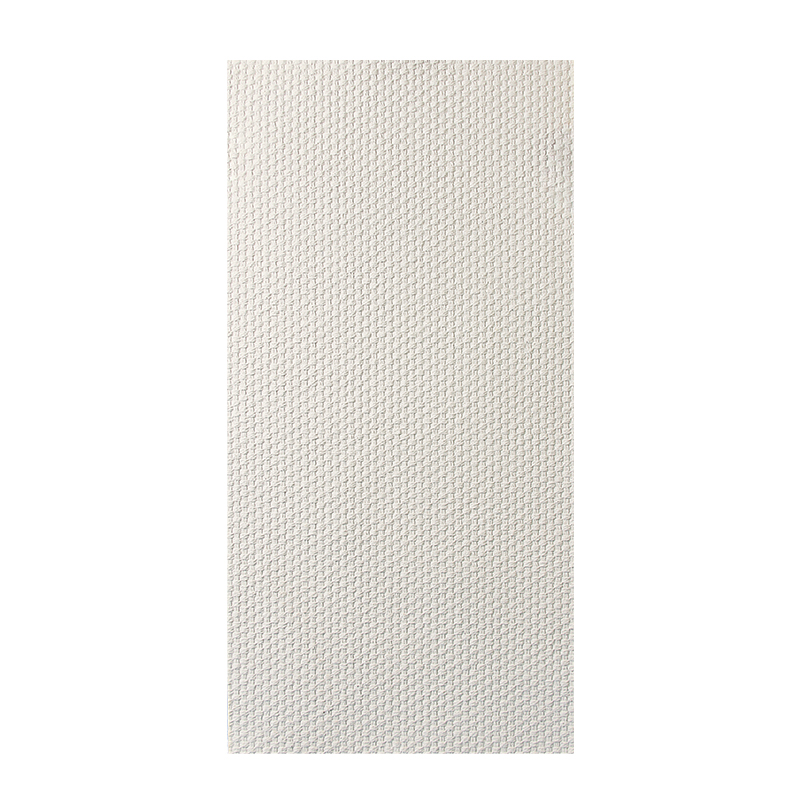
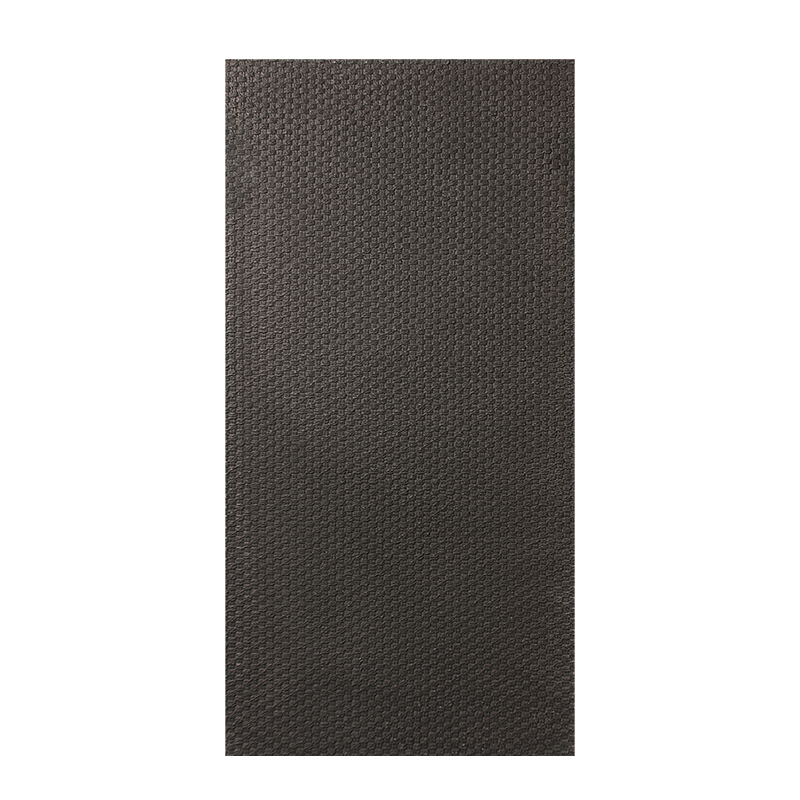
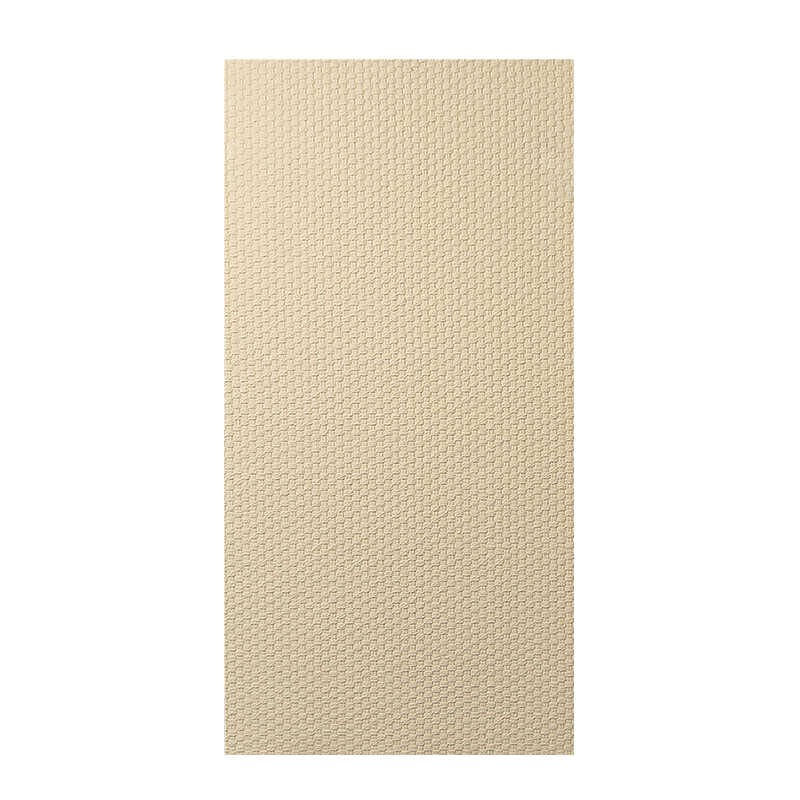
PS wall panel comes in a range of surface treatments, and this is often where sourcing conversations spend the most time. Common finish categories include:
- Wood grain embossed — textured surface mimicking natural wood without the material's weight or moisture sensitivity
- Marble or stone print — smoother finish aimed at buyers wanting a stone look without sourcing actual slab material
- Solid color matte or gloss — simpler finish often requested for modern commercial interiors
Distributors building out a full catalog typically stock several finish options side by side, since residential buyers and commercial buyers tend to gravitate toward different aesthetics — commercial clients often lean toward solid colors or subtle textures, while residential renovation buyers request wood grain finishes more frequently.
Installation Method and Compatibility
One detail that comes up often in supplier conversations is how the panel attaches to the wall. Some PS wall panel systems use interlocking edges that click together, reducing the need for adhesive across the full panel surface. Others rely on adhesive or mechanical fastening across the back panel. Buyers sourcing for contractors who value speed on the job site tend to ask specifically about interlocking systems, since these generally cut installation time compared to panels requiring full adhesive coverage.
Compatibility with different wall substrates also comes up — drywall, concrete, and masonry each interact differently with adhesive-based panel systems, and sourcing teams supplying contractors across varied project types often request guidance on which substrate each panel system is designed to bond with reliably.