English
  русский
  عربى
عربى 
What Polystyrene Brings to Skirting Design
Polystyrene is a rigid plastic material, and when it's used for skirting boards, it offers a noticeably different feel compared to wood-based options. It's lightweight, which makes handling and installation easier, particularly for larger projects where dozens of lengths need to be moved and fitted.
The material also holds its shape well once formed, allowing manufacturers to produce consistent profiles across large production runs. Because polystyrene doesn't absorb moisture the way wood or MDF can, it behaves differently in environments where humidity or occasional water exposure is a factor, such as bathrooms or kitchens.
Installation Advantages Worth Knowing About
One of the more practical benefits of Skirting PS is how straightforward it is to install compared to some traditional materials. It can typically be cut with standard tools, doesn't splinter the way wood sometimes does, and its lighter weight means less strain during handling and fitting. Many Skirting PS products are designed to be installed using adhesive rather than nails or screws, which reduces the number of tools needed on site and can speed up the overall installation process. This matters for contractors working on tight schedules or handling large volumes of trim work across multiple rooms or units.
Profile Variety and Design Flexibility
Skirting PS isn't limited to a single look. Manufacturers produce a range of profiles, from simple flat designs to more decorative options featuring grooves, curves, or layered edges that mimic traditional wood molding. This variety allows the material to fit into different design contexts, whether a project calls for a minimal, modern aesthetic or something closer to a classic architectural style.
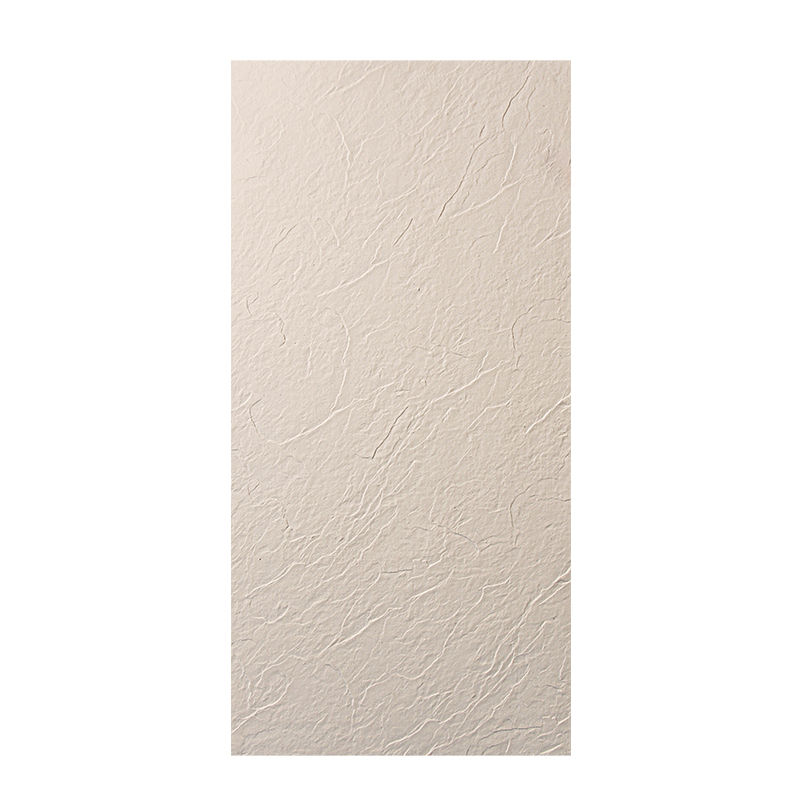
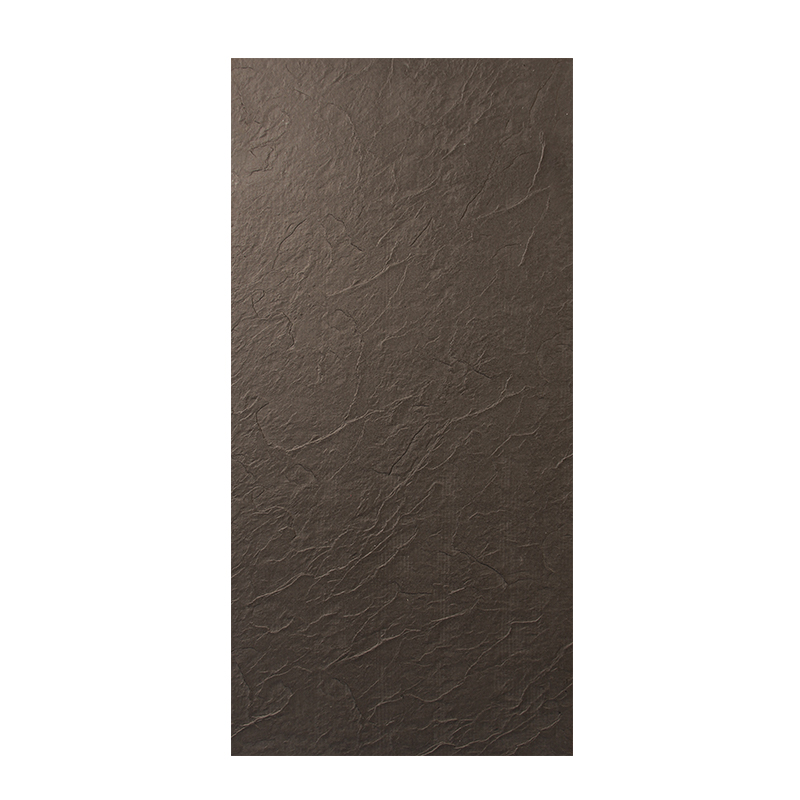
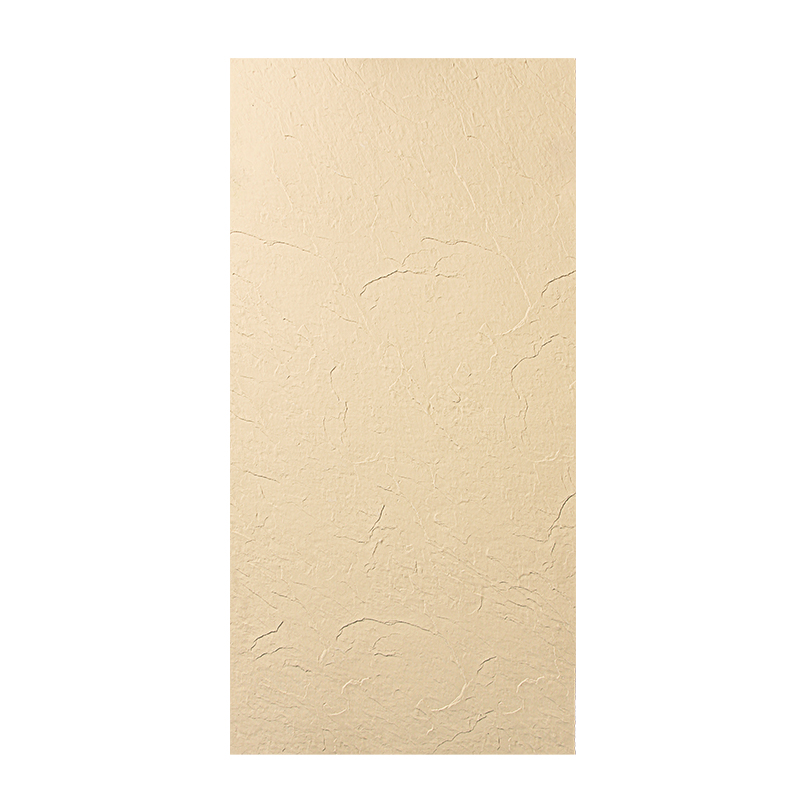
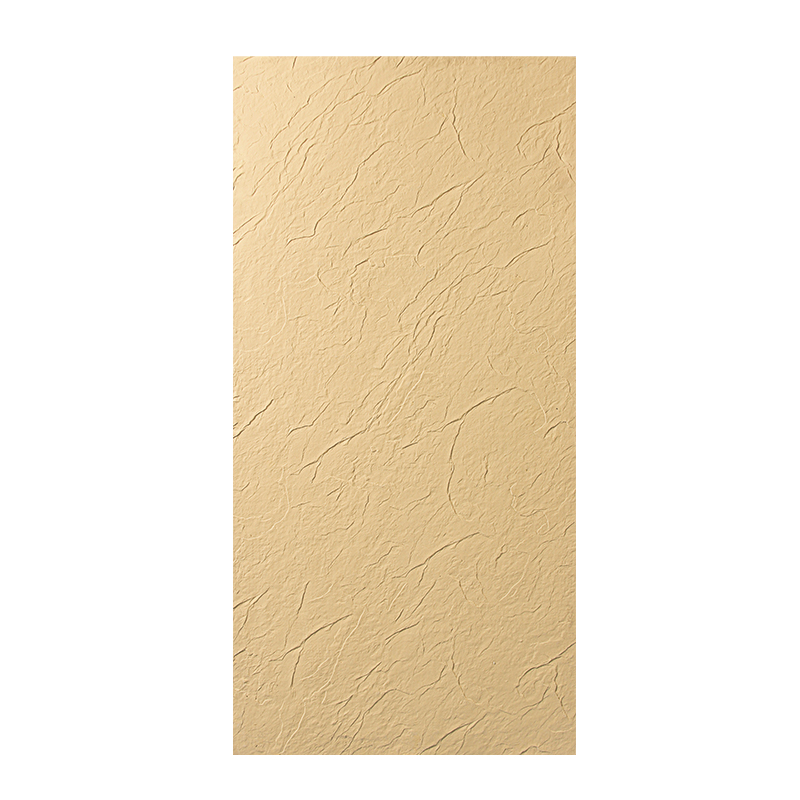
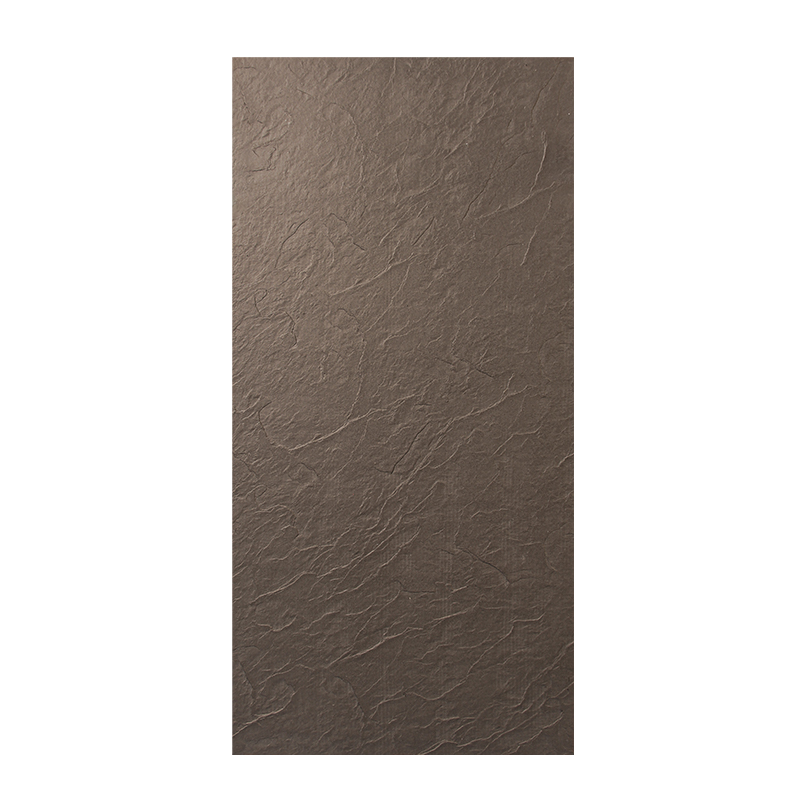
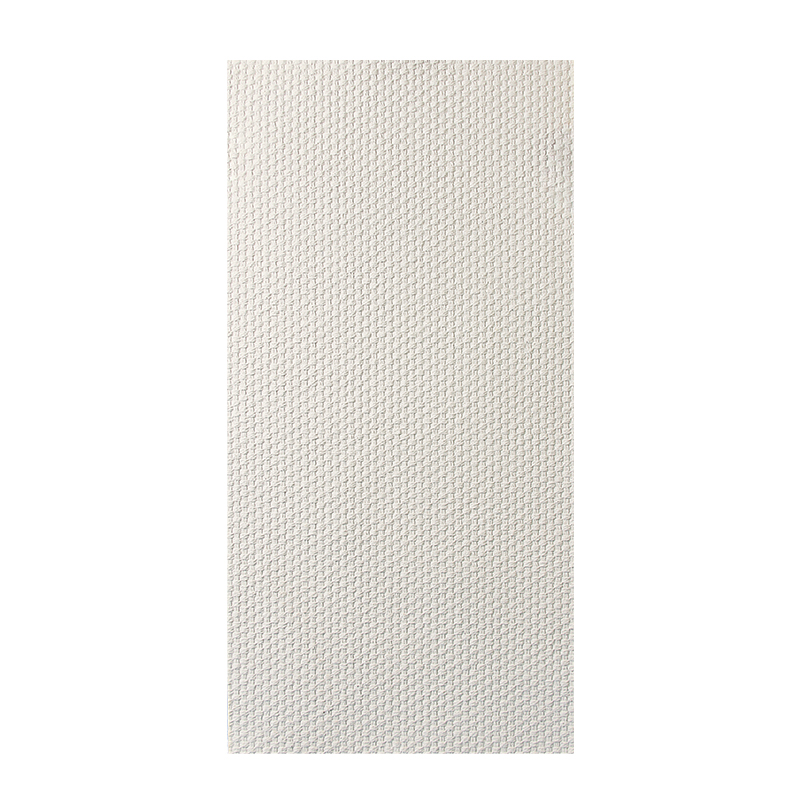
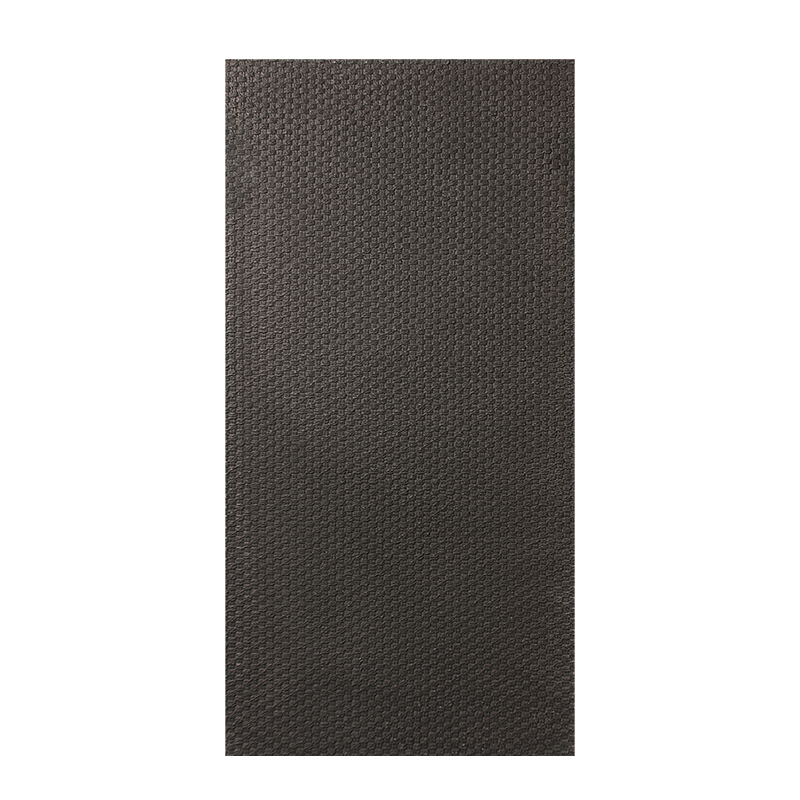
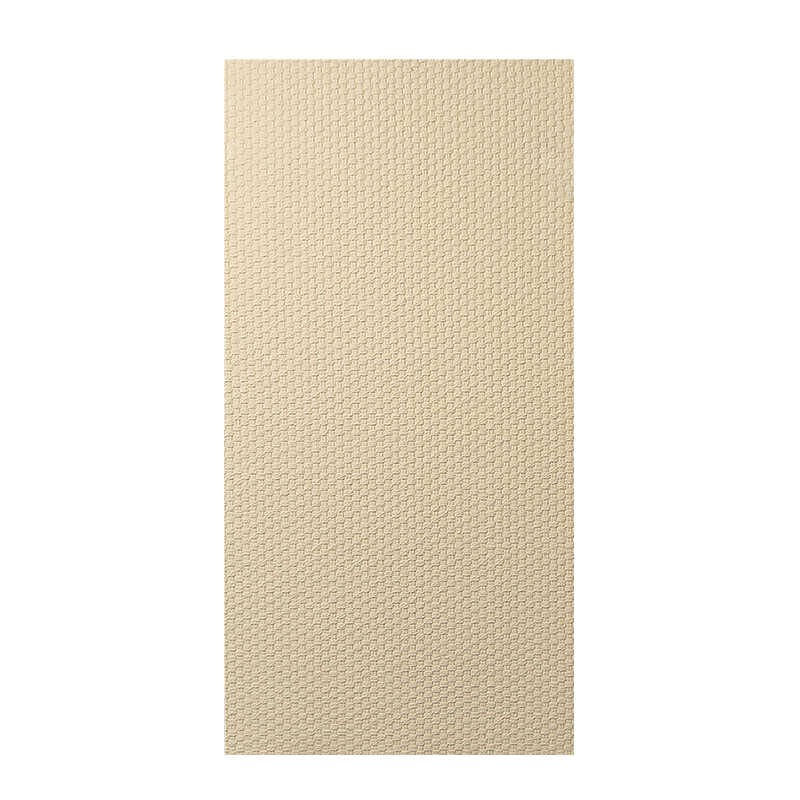
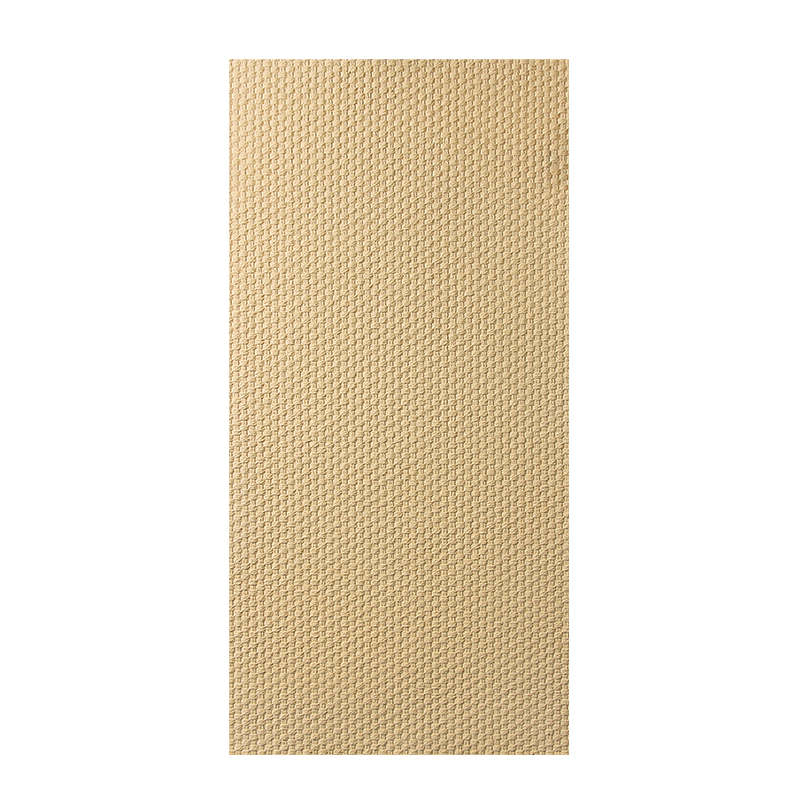
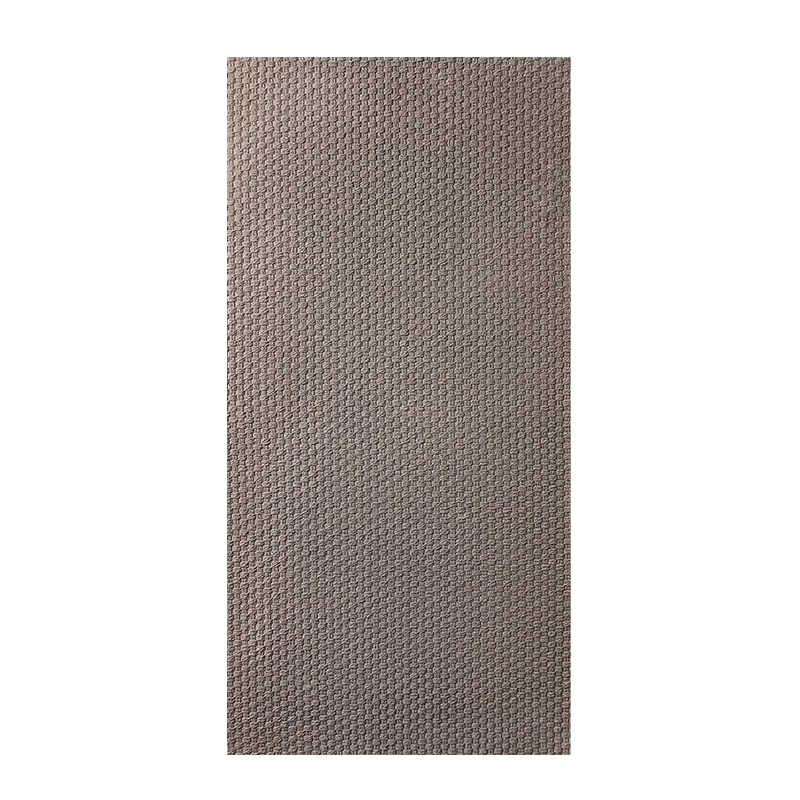
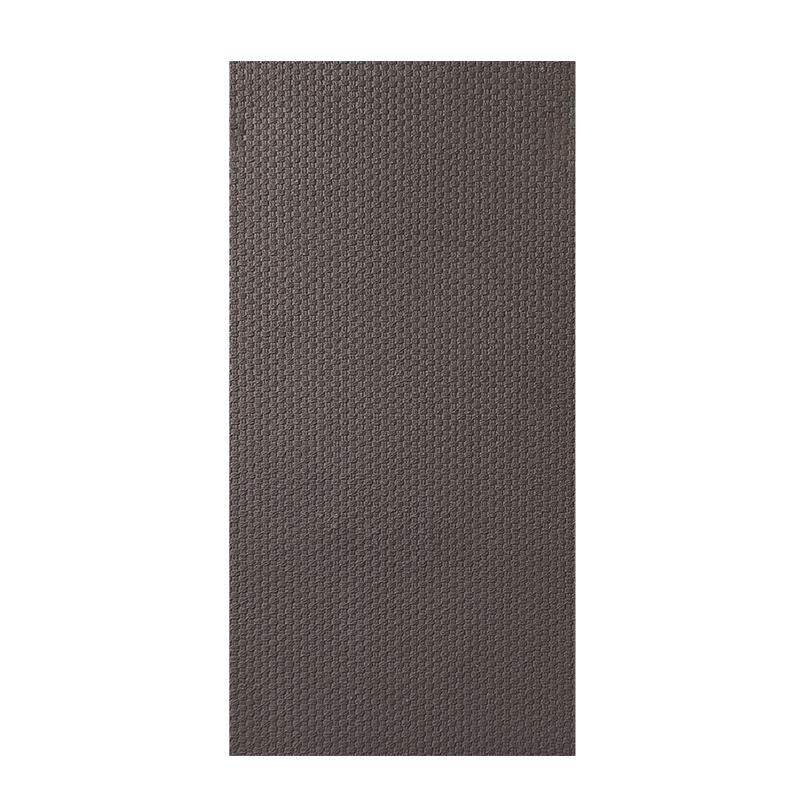
Finishes also vary, with some products offering a smooth painted surface and others replicating wood grain textures, giving specifiers room to match skirting to a broader interior design scheme without being locked into one visual direction.
Where Skirting PS Fits Compared to Other Materials
Choosing between Skirting PS and alternatives like solid wood, MDF, or PVC often comes down to the specific demands of a project. Wood offers a certain traditional character but can be more sensitive to moisture and requires more careful handling. MDF is a common budget-friendly option but shares some of wood's vulnerability to humidity. PVC and polystyrene both offer moisture resistance, though the two materials differ slightly in rigidity and weight, which can affect how they're installed and how they perform in high-traffic areas. Buyers comparing these options typically weigh factors like the room's environment, installation timeline, and desired finish before settling on a material.
Frequently Asked Questions
How does Skirting PS compare to wood skirting in terms of installation?
Skirting PS is generally lighter and easier to cut and fit, and many products are designed for adhesive installation rather than nails or screws, which can simplify the process.
Is Skirting PS suitable for bathrooms or other moisture-prone areas?
Yes, because polystyrene doesn't absorb moisture the way wood or MDF can, it's often considered for spaces where humidity or occasional water exposure is a concern.
Can Skirting PS be customized for specific design projects?
Many manufacturers offer a range of profiles and finishes, and some provide custom options for bulk or trade buyers looking to match specific design schemes or branding needs.