English
  русский
  عربى
عربى 
A significant shift is occurring within the interior finishes sector, moving beyond mass-produced uniformity toward personalized, architecturally integrated surfaces. At the forefront of this movement is the innovative application of PS Wall Panel Decorative solutions through advanced digital fabrication techniques. This approach, often termed design fusion, leverages technology to transform standard polystyrene into custom, high-impact interior features. The trend responds to growing demand from architects and designers for unique, statement-making elements that can be tailored to specific spatial narratives and brand identities, marking a departure from conventional, off-the-shelf decorative options.
What is the Core Concept Behind This Fusion?
The core concept revolves around integrating digital design and manufacturing processes directly into the production of PS Wall Panel Decorative units. This involves using sophisticated software for parametric modeling and generative design to create complex, often organic or algorithmically-generated patterns and three-dimensional textures. These digital blueprints are then translated into physical forms using computer-controlled (CNC) milling routers, high-precision hot wire cutting, or specialized thermoforming equipment. This process allows for the creation of intricate details, undulating surfaces, and bespoke geometric designs that would be economically unfeasible or impossible to achieve with traditional molding techniques. The result is a decorative panel that is no longer a simple commodity but a digitally-native architectural component, where the lightweight and machinable nature of polystyrene (PS) becomes the superb medium for technological expression.
What are the Key Advantages of This Integrated Approach?
The digitally-driven production of PS Wall Panel Decorative systems offers a compelling set of advantages. The foremost benefit is unparalleled design freedom and customization; designers can create one-of-a-kind installations or develop a family of related patterns that maintain visual cohesion across large projects, such as covering several hundred square meters of a hotel lobby with non-repeating motifs. From a logistical and performance standpoint, the precision of digital fabrication ensures exceptional consistency and fit, reducing installation time and material waste on site. The inherent properties of the PS material—notably its light weight, which can be up to several times lighter than solid wood or stone composites—are fully preserved, making these intricate panels easier to handle and mount. Furthermore, the ability to prototype designs rapidly and adjust files digitally accelerates the design-validation cycle, fostering closer collaboration between designers and manufacturers.
Where Are These Advanced Panels Being Applied?
The application scenarios for these customized PS Wall Panel Decorative elements are expanding within premium interior spaces. A prominent application is in creating signature feature walls for corporate headquarters and luxury retail environments, where a distinctive, branded aesthetic is paramount. The hospitality industry, including boutique hotels and high-end restaurants, frequently utilizes these panels to craft immersive and Instagram-worthy atmospheres in lobbies, dining areas, and suites. Furthermore, they are increasingly specified for acoustic and aesthetic solutions in performing arts centers and executive offices, where complex 3D forms can be engineered to aid sound diffusion while providing visual drama. The technology also enables the cost-effective production of large-format, seamless artistic installations for public spaces and galleries, demonstrating that PS Wall Panel Decorative solutions have evolved from simple wall coverings to integral tools for experiential spatial design. This trend underscores a broader movement towards digitization and personalization in architectural interiors, with polystyrene serving as a versatile and adaptable canvas for innovation.
The integration of digital design and fabrication is fundamentally redefining the potential of PS Wall Panel Decorative products. This evolution transcends mere aesthetic novelty, establishing a new paradigm where lightweight polystyrene becomes a dynamic medium for customized, large-scale architectural expression. The core concept of direct digital translation from algorithm to object unlocks exceptional creative freedom. The tangible advantages—ranging from radical customization and material efficiency to simplified installation—deliver clear value to projects prioritizing unique identity and precision. As evidenced by their growing adoption in premium application scenarios across commercial, hospitality, and cultural sectors, these digitally-crafted panels are shifting from niche innovations toward a viable new standard for feature interior surfaces. This trend signals a lasting convergence of design intent, material science, and manufacturing technology, positioning PS Wall Panel Decorative solutions at the forefront of the demand for personalized, experiential built environments.
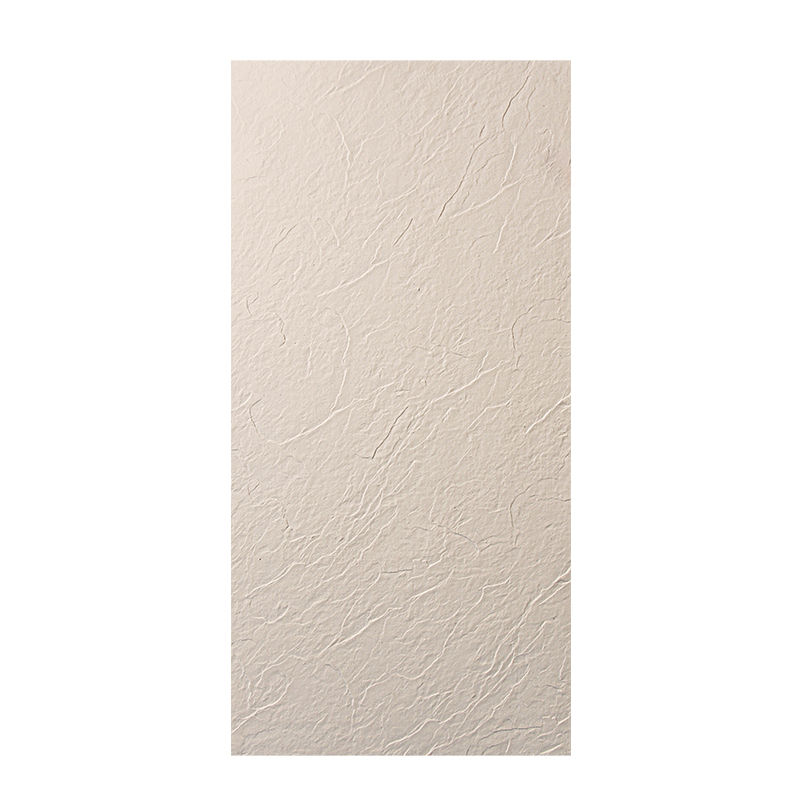
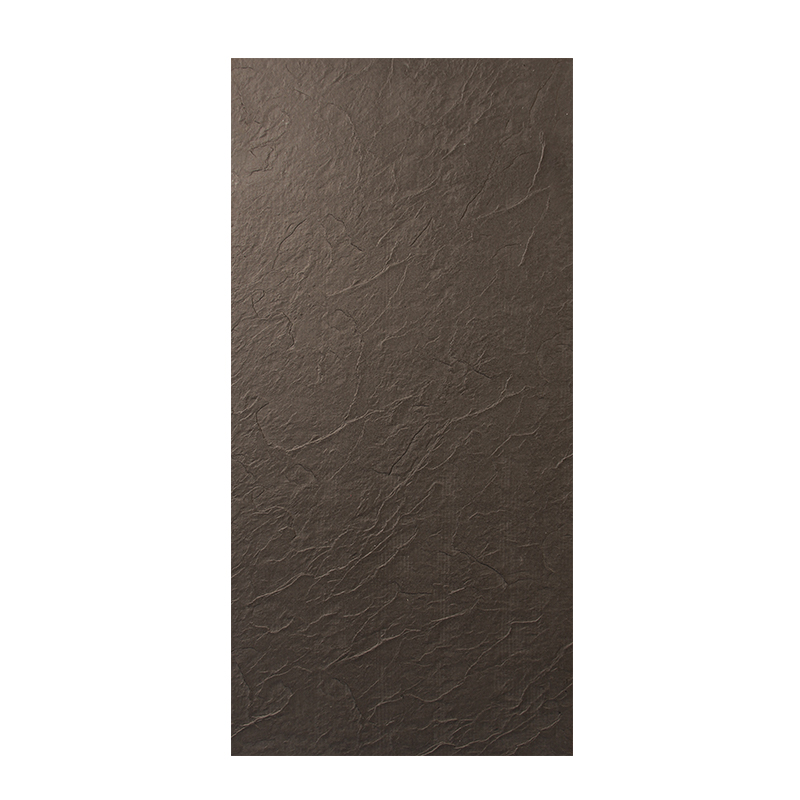
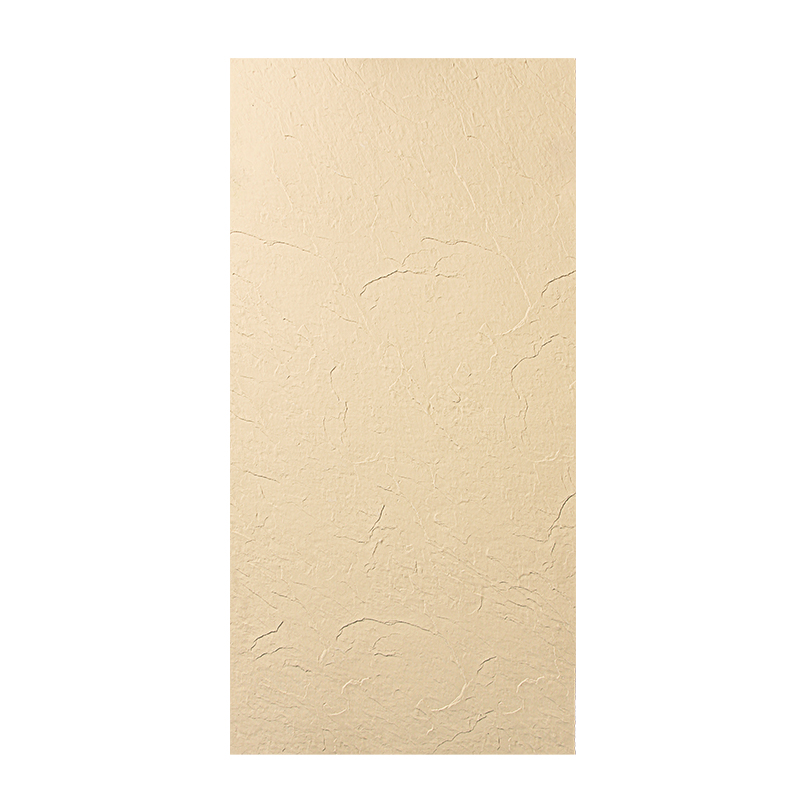
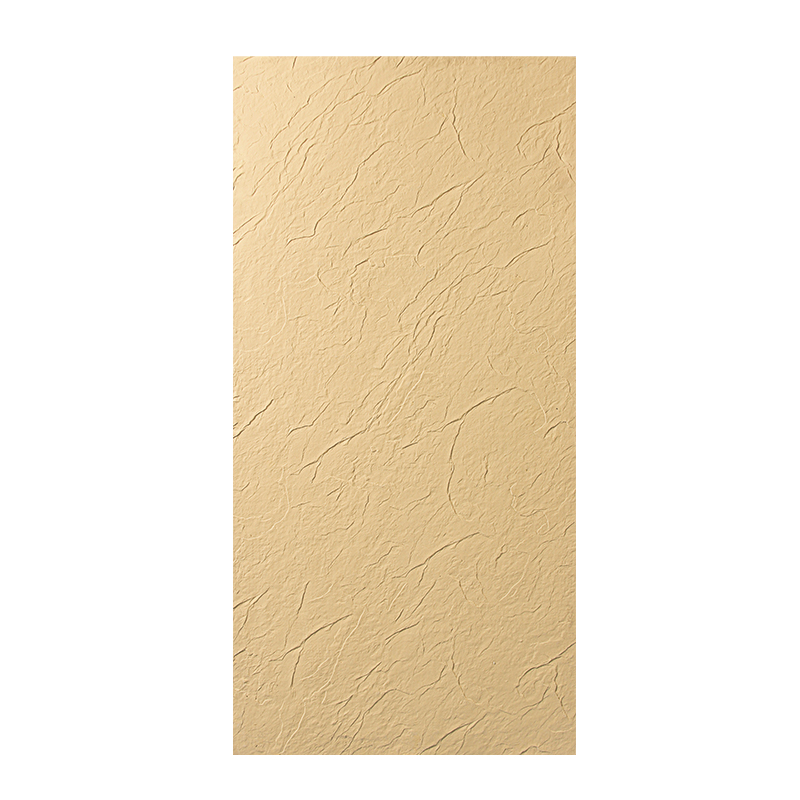
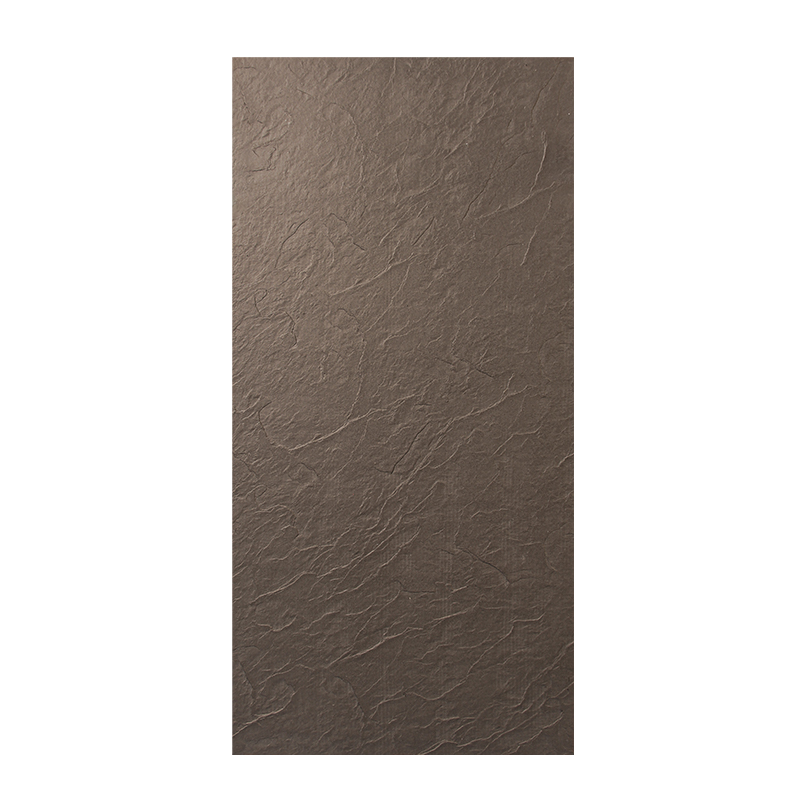
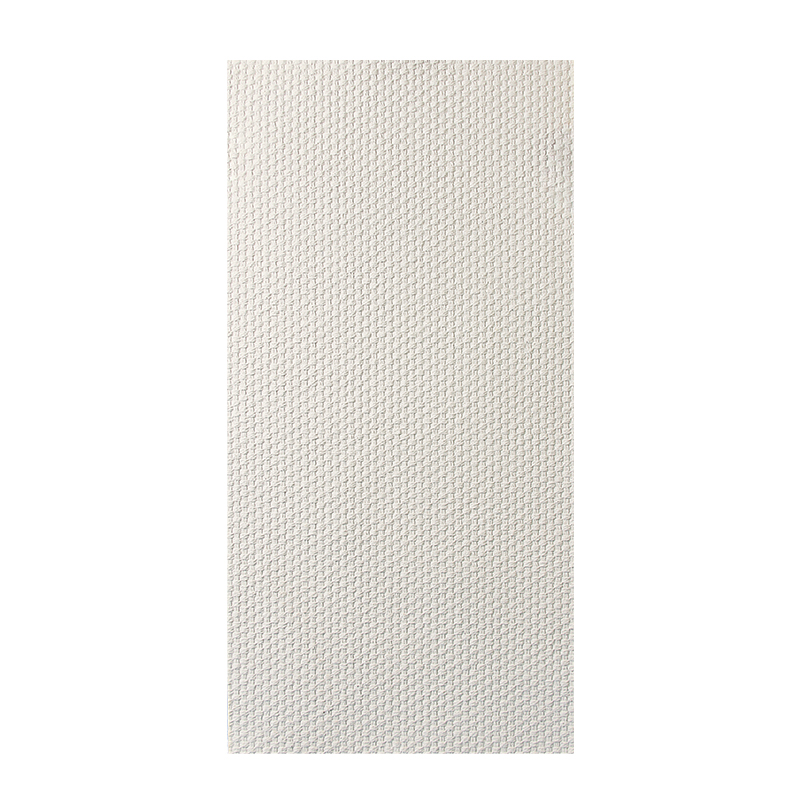
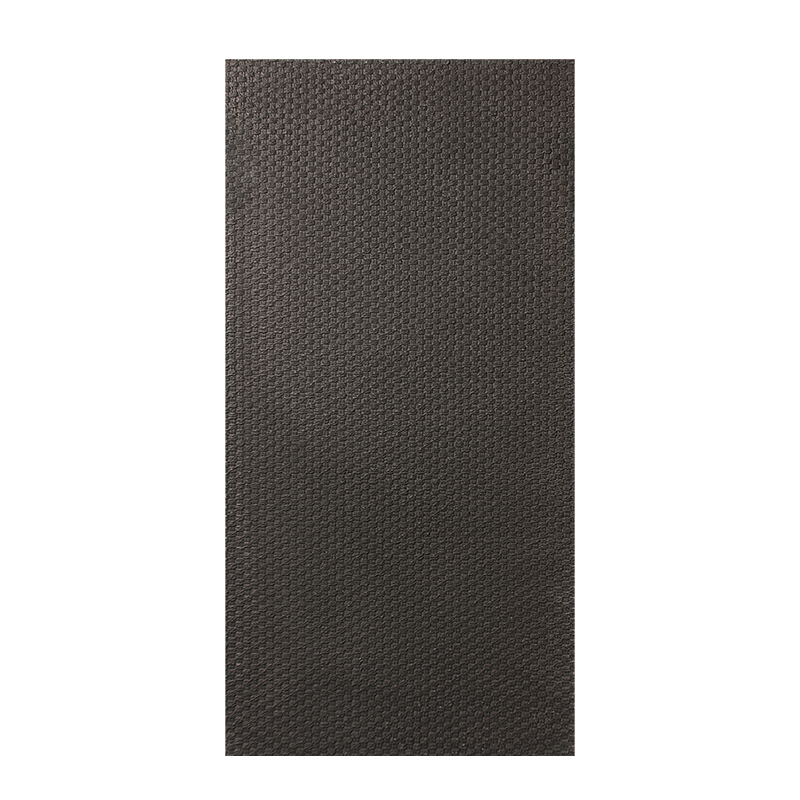
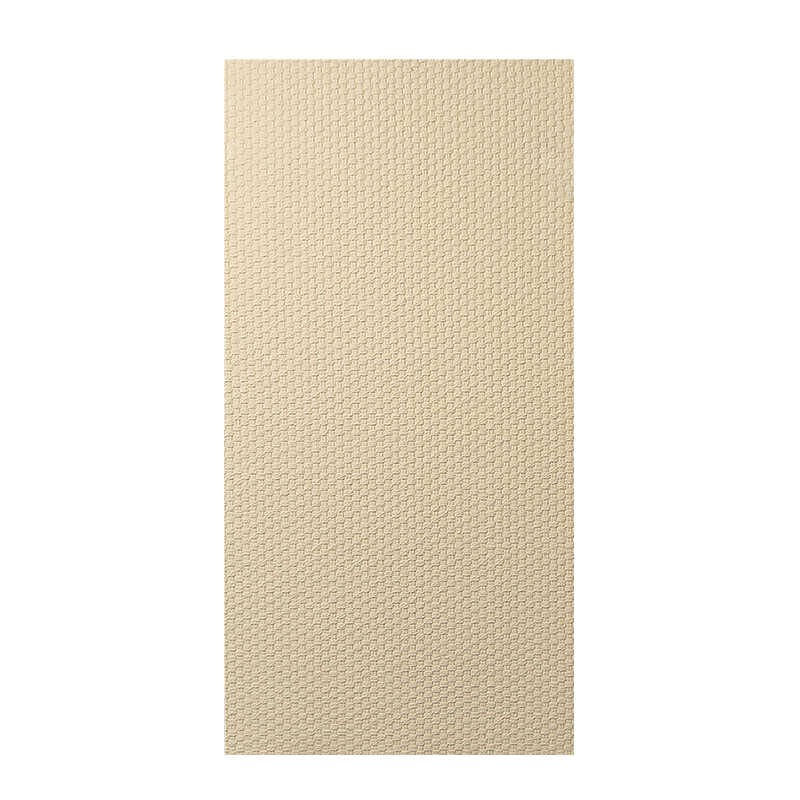
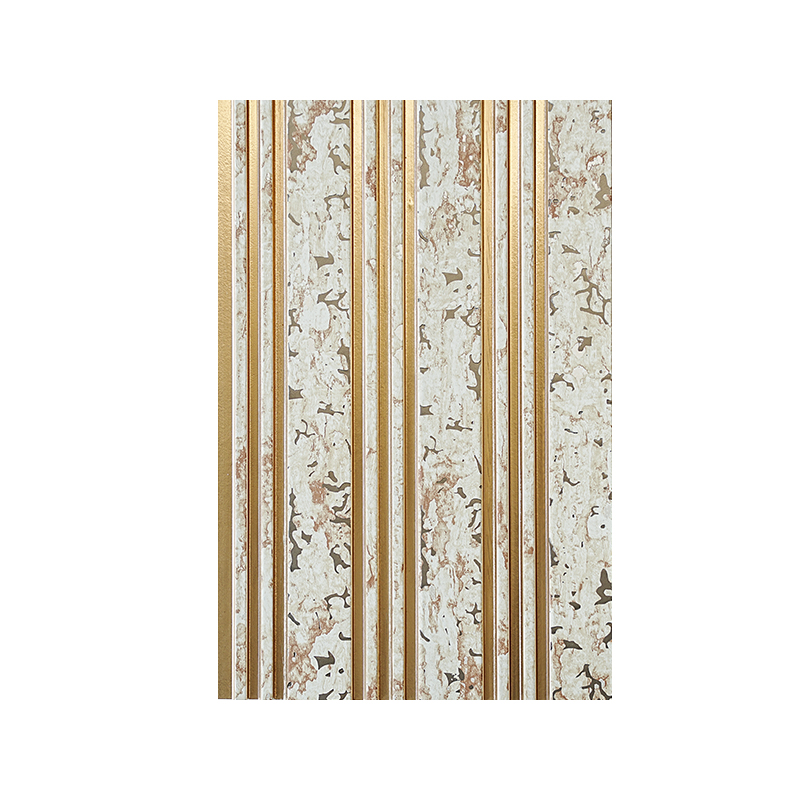
The Elegant Marble-Effect Gilded Line Beige PS Wall Panel from HAINING COMMERCE IMP& EXP CO., LTD. brings a touch of luxury and sophistication to interior spaces. Crafted from lightweight yet durable polystyrene (PS), it features a realistic beige marble texture complemented by subtle, decorative gilded lines, creating a look of high-end stone at a fraction of the cost. The panels are easy to cut and install with standard tools, offering a time-saving alternative to traditional materials. Moisture-resistant and easy to clean, they are ideal for enhancing living rooms, feature walls, or commercial decor, where visual elegance and practical installation are equally important.