English
  русский
  عربى
عربى 
Interior Finishing Materials Continue to Evolve
PS Skirting has become an increasingly popular choice for residential and commercial interior projects. Positioned along the junction between walls and floors, skirting boards provide a clean visual transition while contributing to the overall appearance of a room. As architects, designers, and contractors seek materials that combine decorative appeal with practical performance, PS skirting has earned greater attention across the building materials industry.
Manufacturers now offer a wide selection of profiles, colors, and surface finishes, allowing designers to match different interior styles. Whether used in apartments, offices, hotels, retail stores, or educational facilities, PS Skirting provides a versatile finishing solution that complements a variety of flooring materials and wall designs.
Its combination of lightweight construction and flexible styling has encouraged broader adoption in renovation and new construction projects.
Material Engineering Supports Product Performance
PS Skirting is commonly manufactured from polystyrene, a material valued for its stable structure and design flexibility. The material can be processed into different profile shapes while maintaining consistent dimensions, making it suitable for large-scale production.
During product development, manufacturers focus on achieving a balance between structural rigidity and ease of installation. The material allows detailed decorative patterns, smooth contemporary lines, and minimalist profiles that accommodate changing interior design preferences.
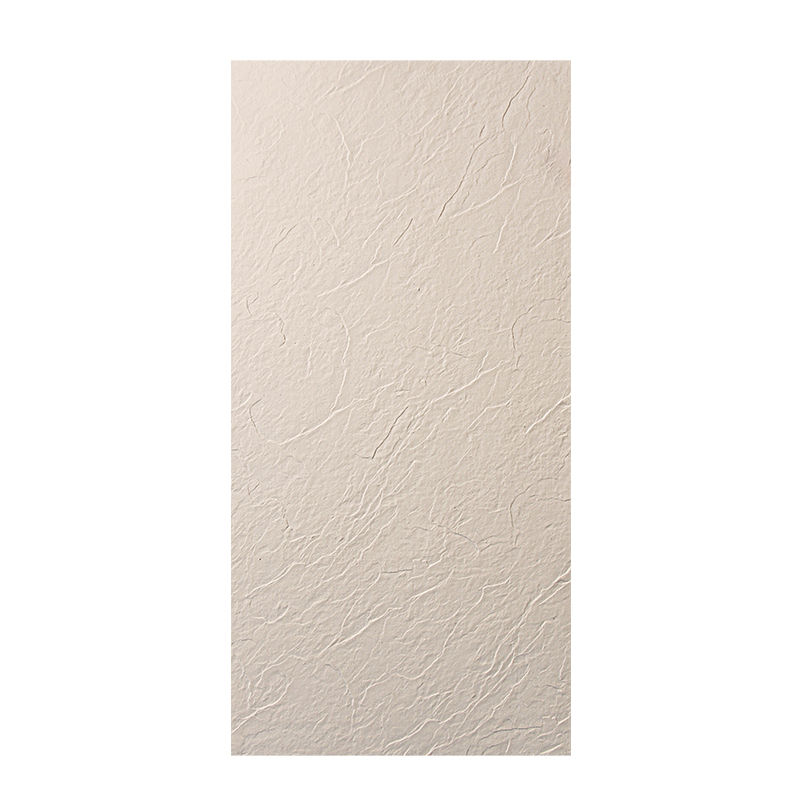
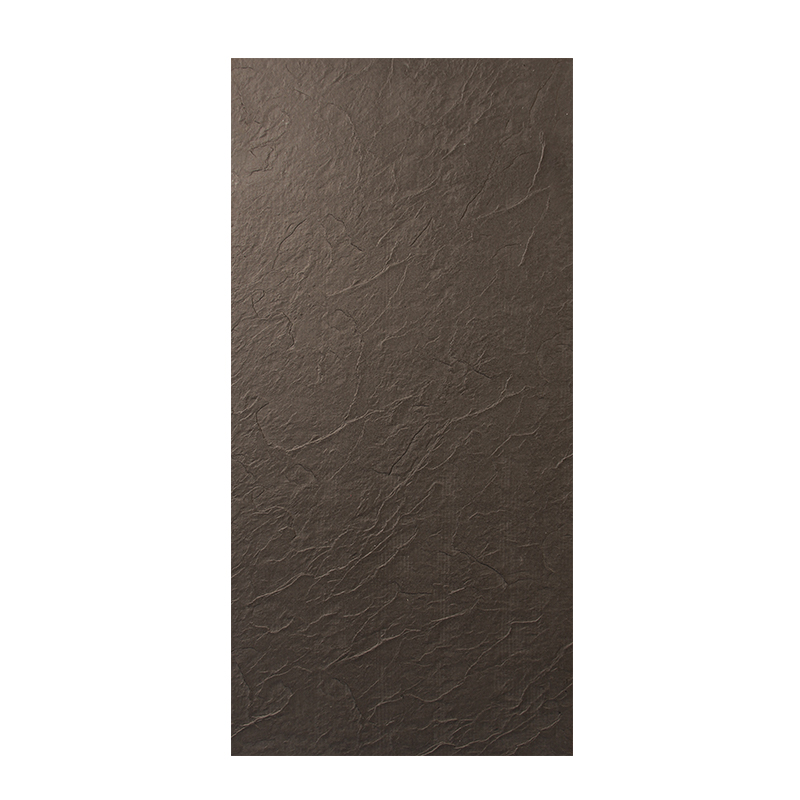
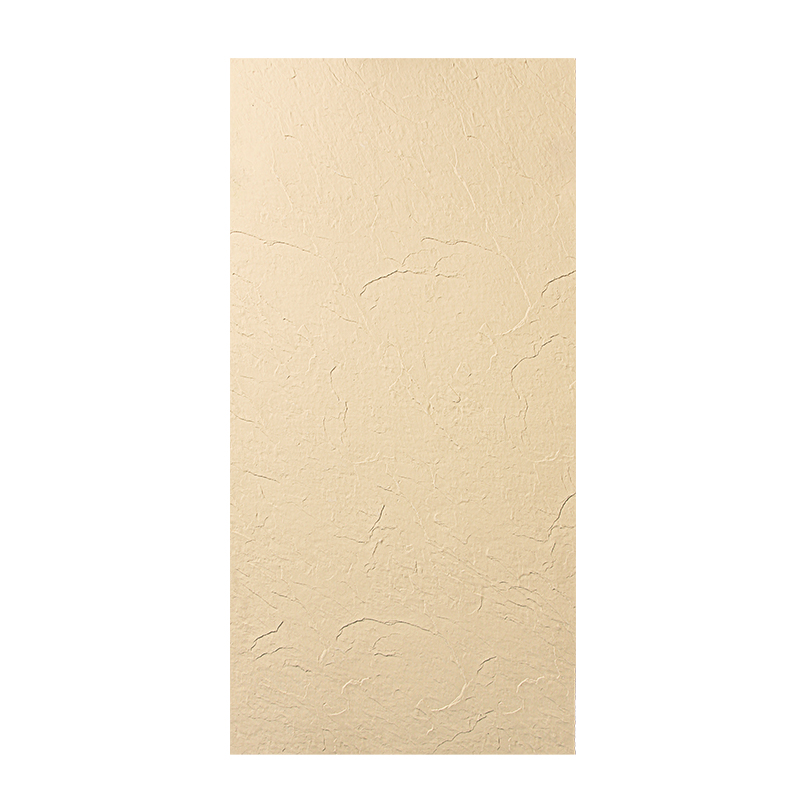
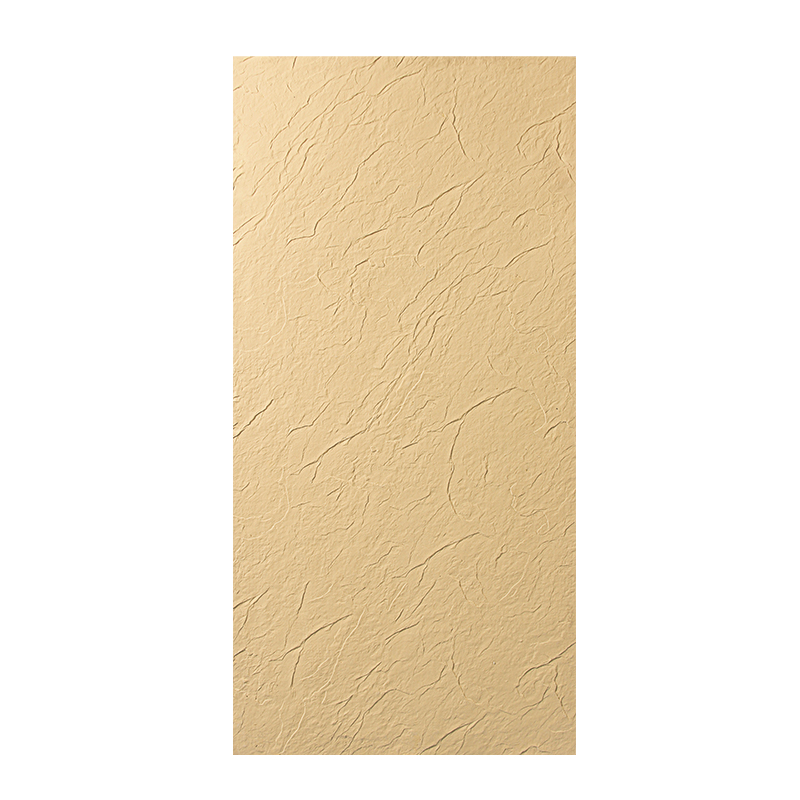
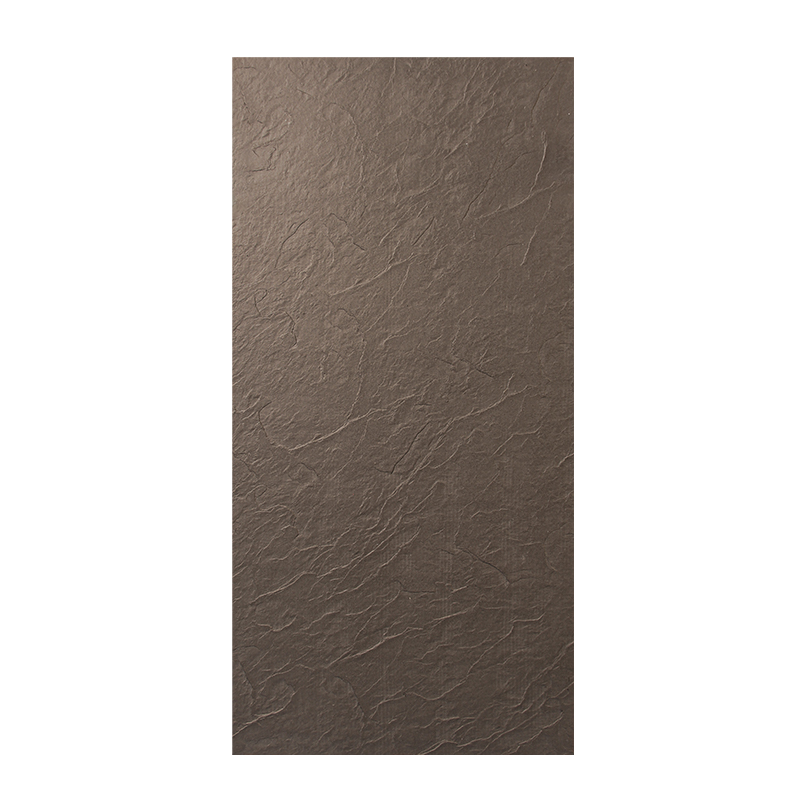
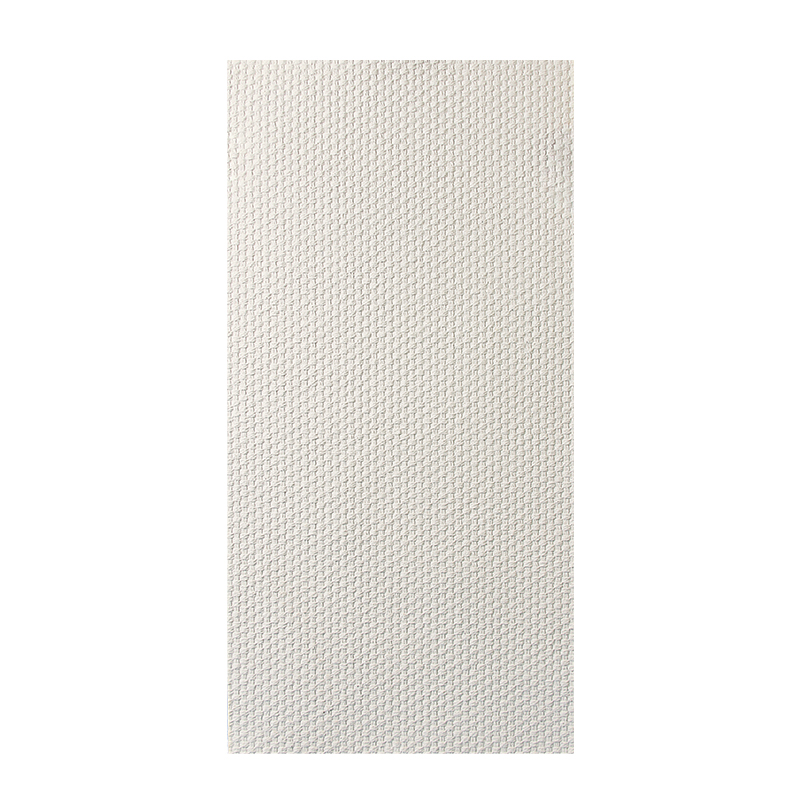
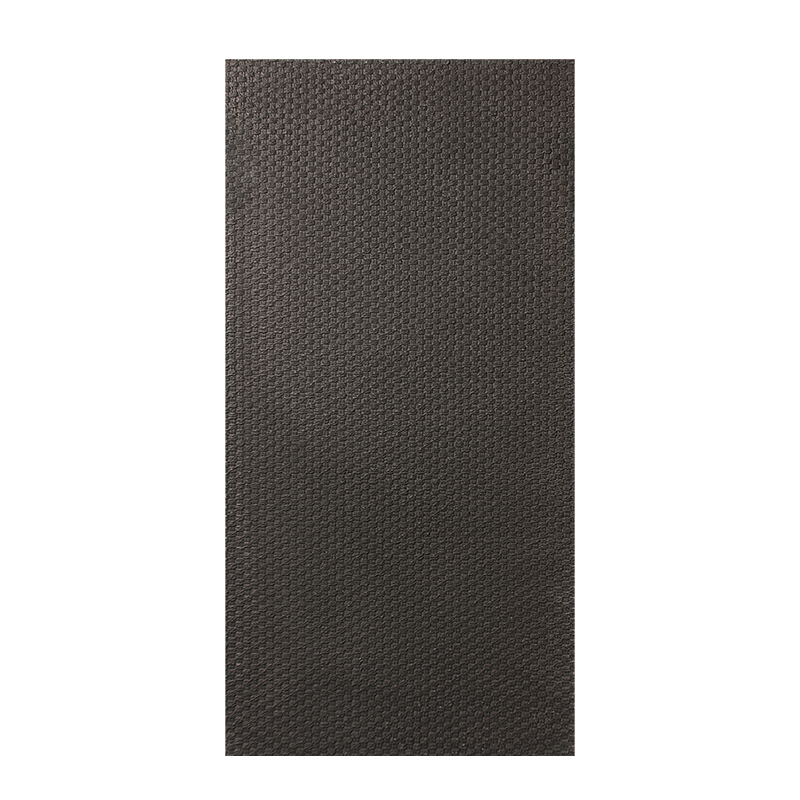
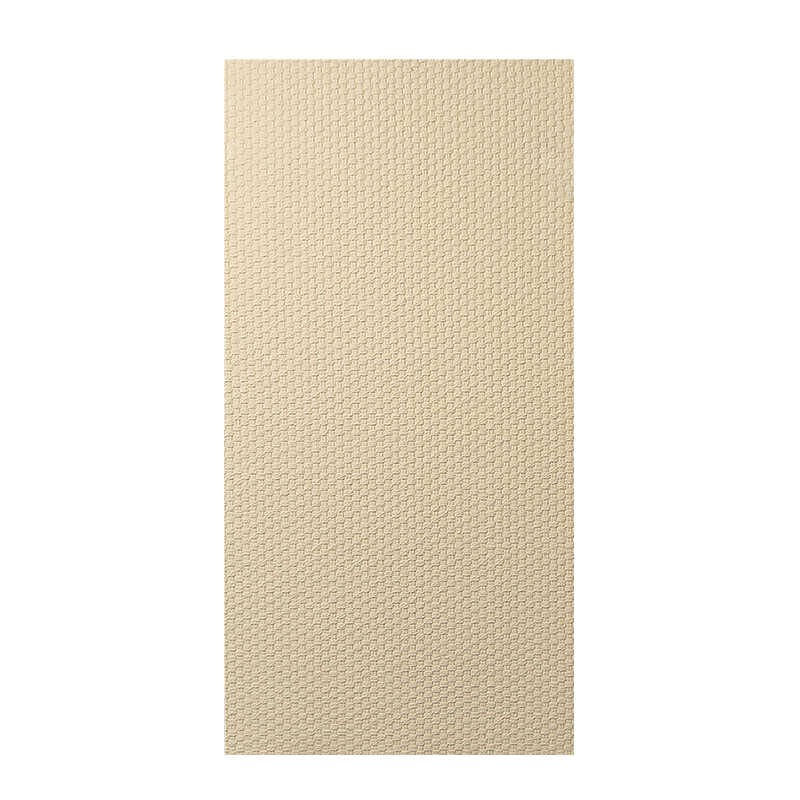
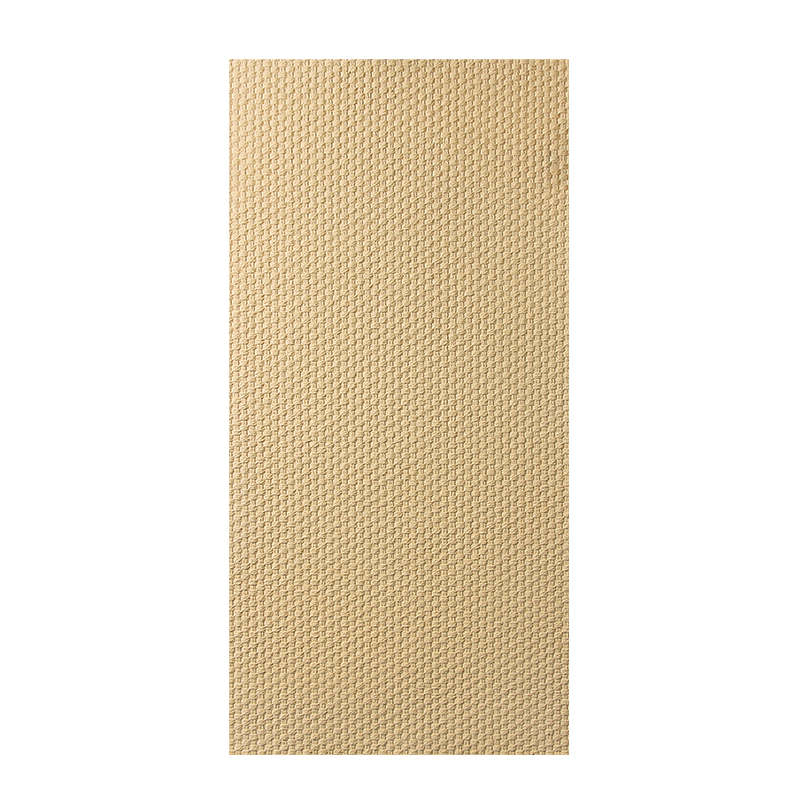
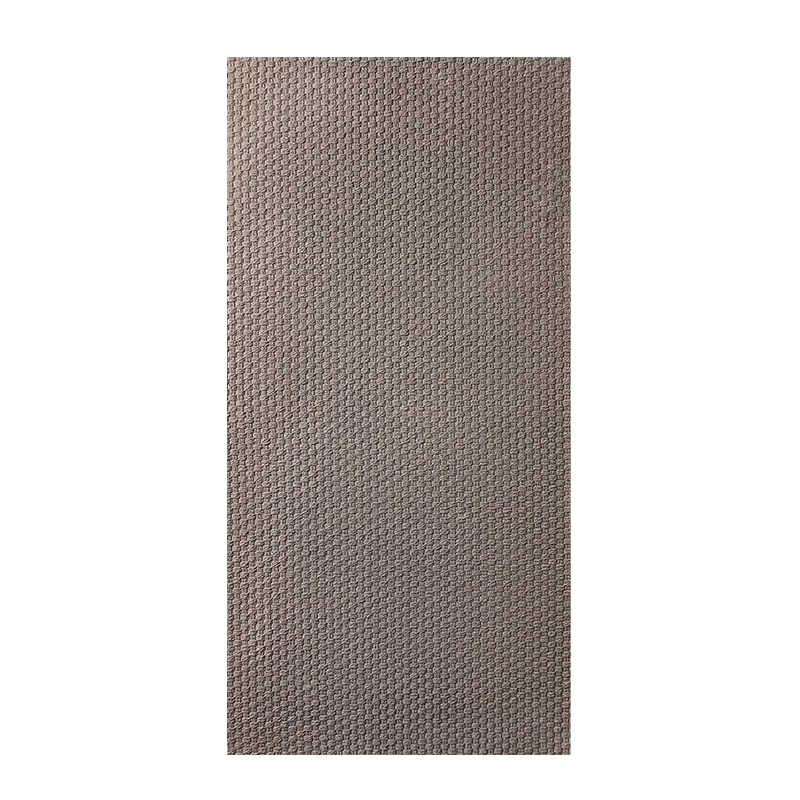
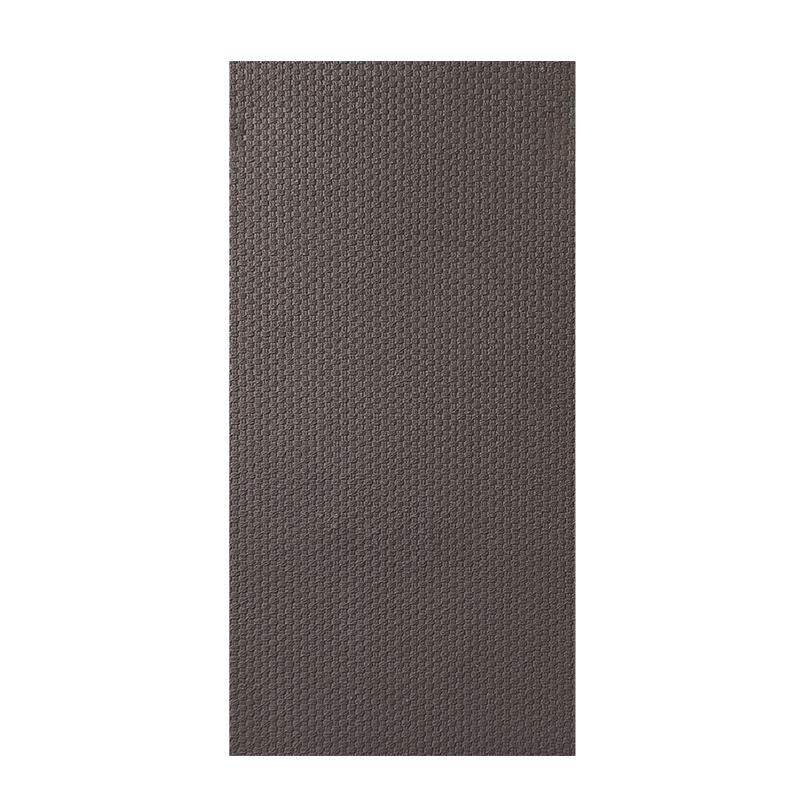
Surface finishing technologies further enhance the visual appearance of the product. Wood-grain textures, matte finishes, painted surfaces, and decorative laminations provide designers with numerous aesthetic options while preserving the lightweight characteristics of the material.
These engineering improvements have expanded the range of applications for PS Skirting across modern interiors.
Design Flexibility Expands Decorative Possibilities
One of the strengths of PS Skirting lies in its design versatility. Manufacturers continue introducing new profile styles that suit contemporary, traditional, industrial, and minimalist interiors.
Slim skirting boards complement modern architectural spaces, while decorative molded profiles provide a classic appearance for residential projects. Neutral colors remain popular because they coordinate easily with different flooring materials, including wood, laminate, vinyl, tile, and stone.
Several product characteristics are commonly incorporated into new designs:
- Lightweight profile construction
- Smooth decorative surfaces
- Multiple height options
- Wood-grain and painted finishes
- Straight and curved profile selections
- Consistent dimensional accuracy
Digital design technologies also allow manufacturers to develop new profile shapes more efficiently, giving architects and interior designers a wider range of decorative solutions.
Broad Applications Drive Market Demand
The application range of PS Skirting continues expanding as interior design projects become increasingly diverse. Residential homes use skirting boards to create clean wall-to-floor transitions in living rooms, bedrooms, kitchens, and hallways. Commercial offices incorporate modern profiles that complement contemporary workspace layouts.
Hotels, shopping centers, healthcare facilities, schools, exhibition spaces, and hospitality venues also specify PS Skirting for interior finishing because of its decorative flexibility and compatibility with different architectural styles.
Furniture showrooms and property developers frequently include PS skirting as part of complete interior presentation, creating coordinated spaces that emphasize both flooring and wall design.
Product Development Encourages Greater Variety
Manufacturers continue expanding PS Skirting product collections with new textures, colors, and profile dimensions to meet evolving market preferences. Improvements in extrusion technology, digital surface decoration, and material formulation have increased production precision while supporting a broader selection of decorative finishes.
The growing emphasis on interior aesthetics has encouraged closer collaboration between product designers, architects, and manufacturing teams. As a result, modern skirting collections offer greater flexibility for residential renovation, commercial construction, hospitality projects, and public spaces.