English
  русский
  عربى
عربى 
A slab of stone that bends around a curved wall sounds like a contradiction. But that's essentially what a flexible stone manufacturer produces — a thin veneer of real mineral, backed with a fiberglass or polymer mesh, that can wrap columns, arch over doorways, and roll up for shipping instead of traveling flat on a pallet. It's not a synthetic substitute. It's actual stone, just sliced and mounted differently.
What the Product Actually Is
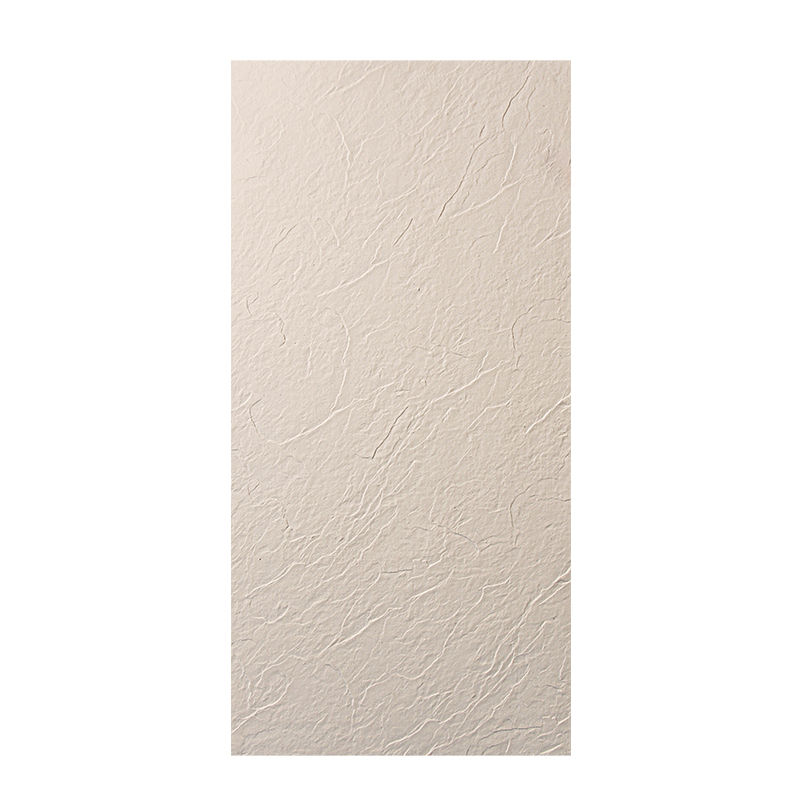
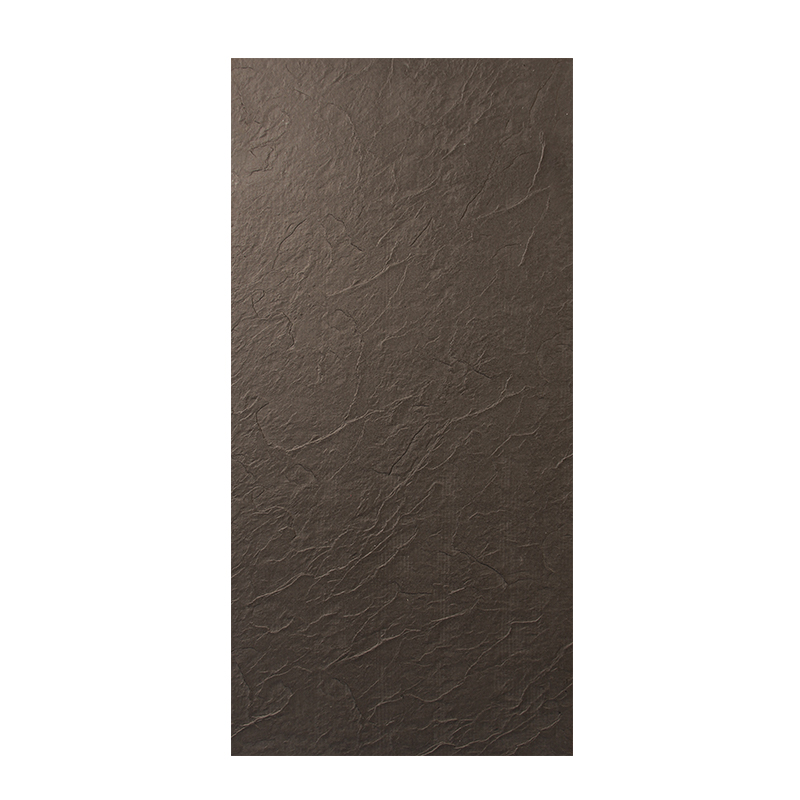
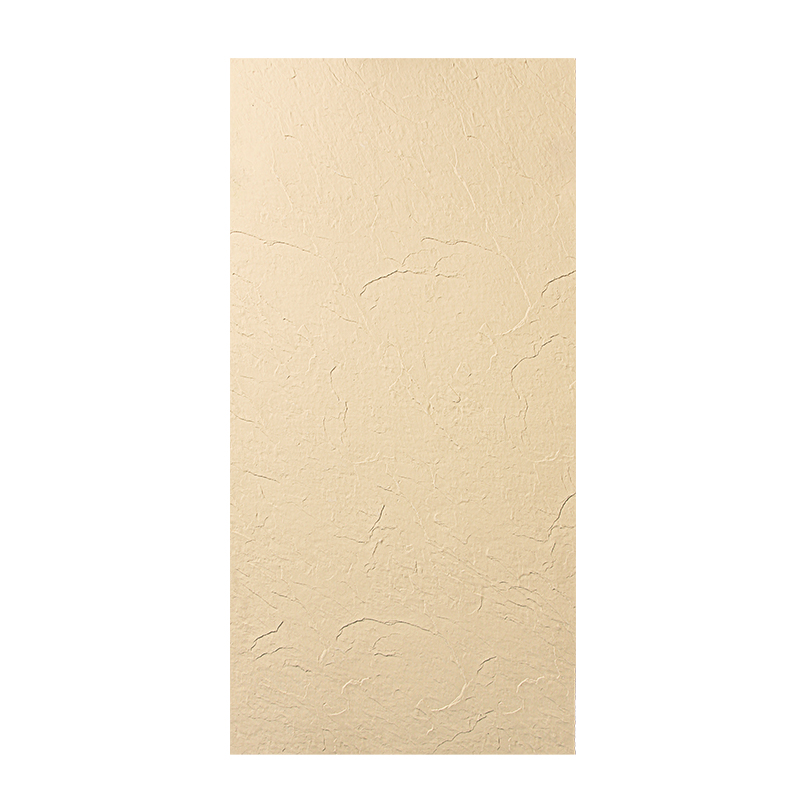
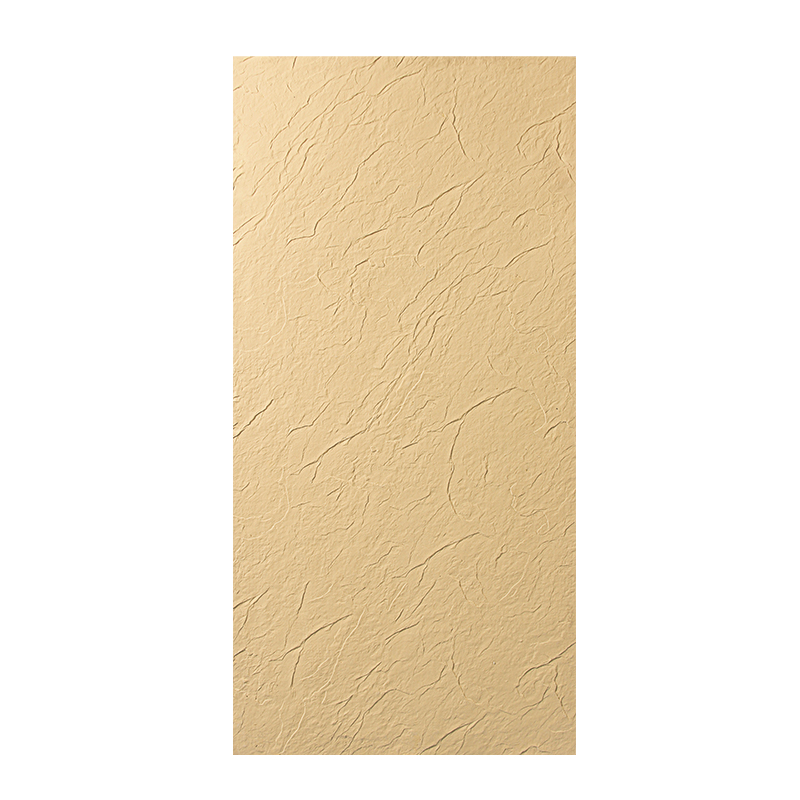
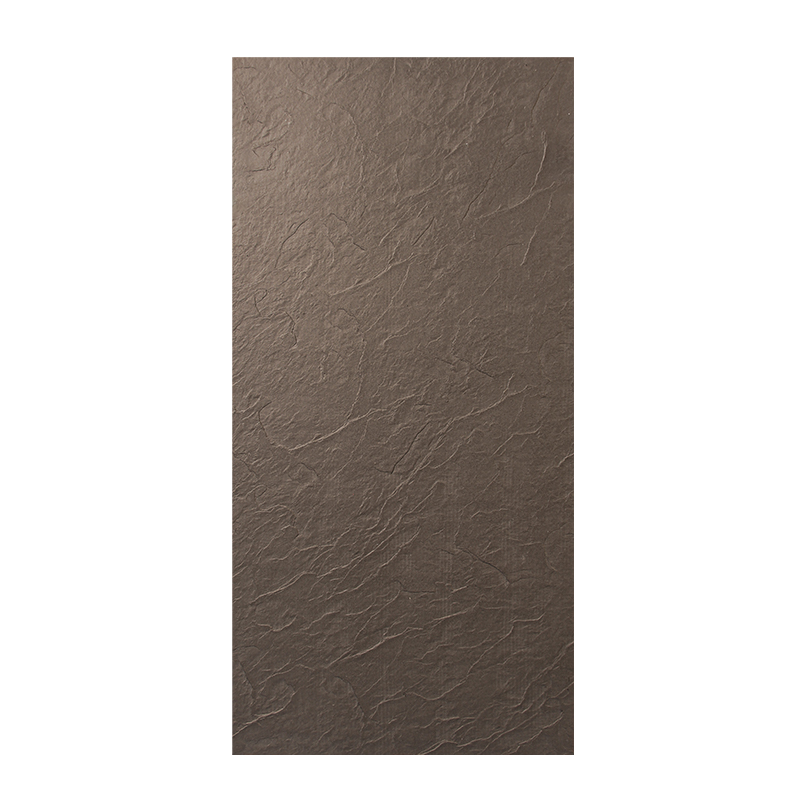
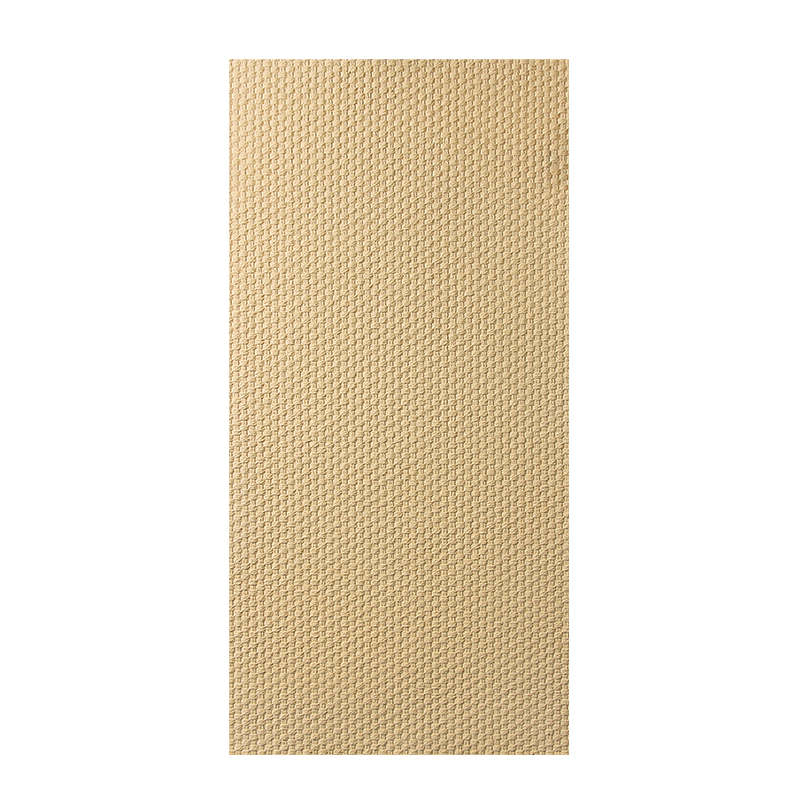
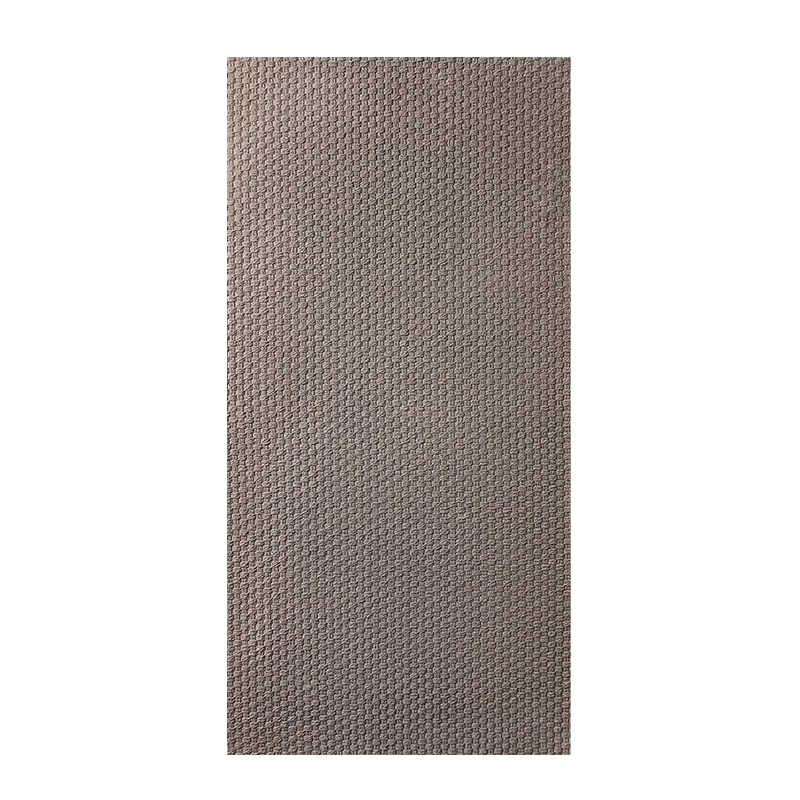
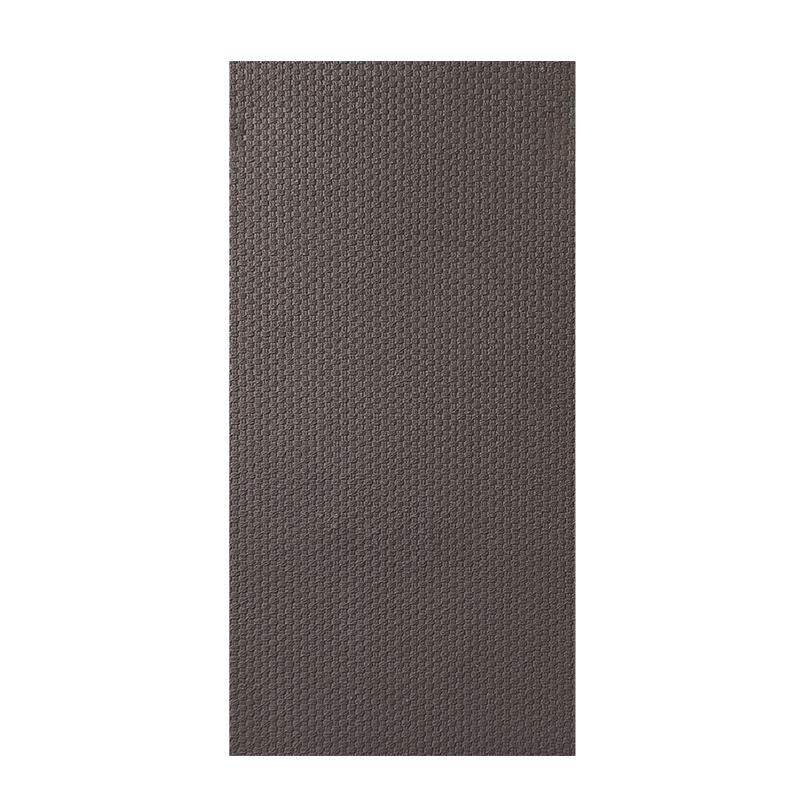
A flexible stone manufacturer starts with the same raw material as any quarry — slate, sandstone, quartzite, or similar layered stone — and slices it into sheets thin enough to flex, typically a fraction of a millimeter to a few millimeters thick. That thin layer gets bonded to a backing fabric, which is what gives the finished sheet its pliability. The stone face keeps its natural texture and color variation; the backing does the structural work.
Why Buyers Are Switching Suppliers
Procurement teams sourcing cladding and interior finishes mention a fairly consistent set of reasons for moving toward flexible stone:
- Roll-format shipping cuts freight volume compared to rigid slabs
- Reduced weight lowers structural load requirements on walls and ceilings
- Curved and irregular surfaces become workable without custom cutting
- Installation crews can handle it with adhesive rather than mechanical anchors
- Natural stone appearance is retained, unlike printed or laminate alternatives
That said, it's not a universal replacement for slab stone — thickness and rigidity limits mean it suits cladding and decorative surfaces rather than load-bearing or heavy-wear applications like flooring.
Where It Gets Used
Flexible stone shows up across a broad mix of project types, not just one category:
- Feature walls in hotel lobbies and residential living rooms
- Curved reception desks and retail display surfaces
- Column wraps in commercial atriums
- Ceiling panels where weight limits rule out slab stone
- Furniture and cabinetry facing for a stone-look surface
The common driver across these uses is a surface that needs to look like quarried stone but can't carry the weight or thickness that quarried stone normally requires.
What OEM/ODM Buyers Tend to Ask
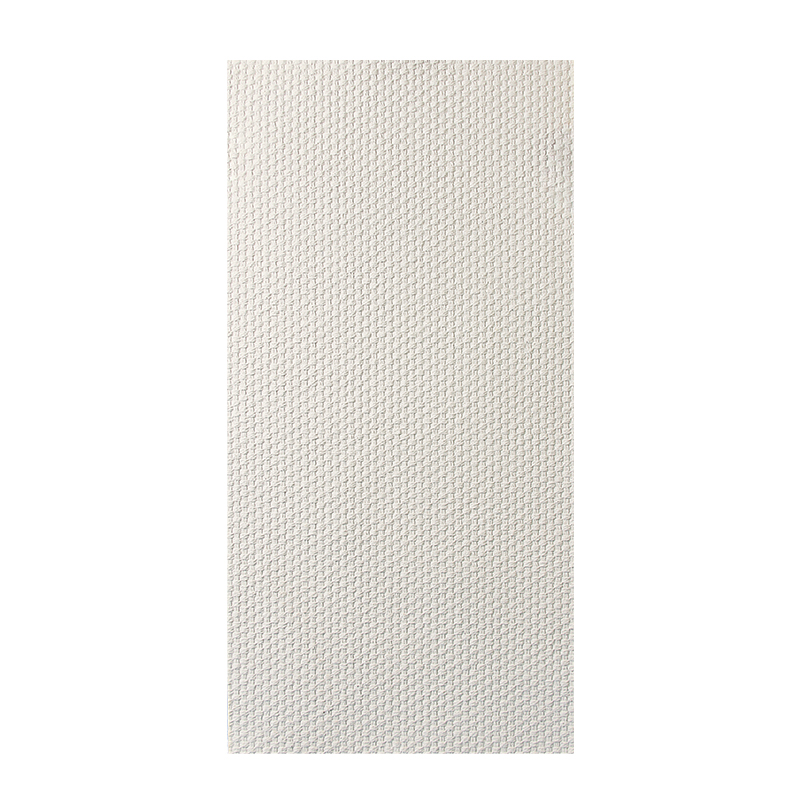
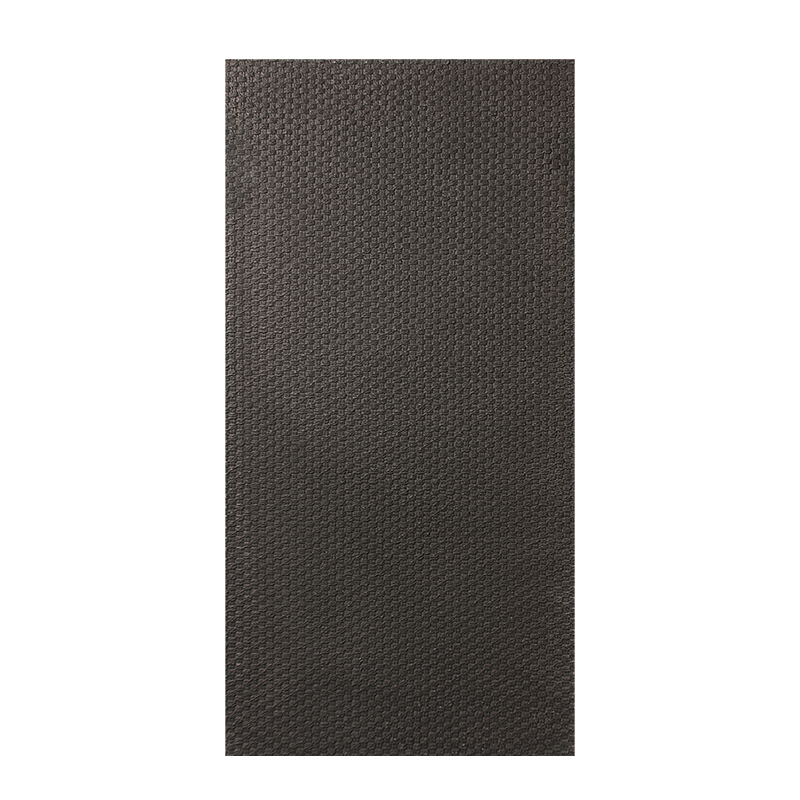
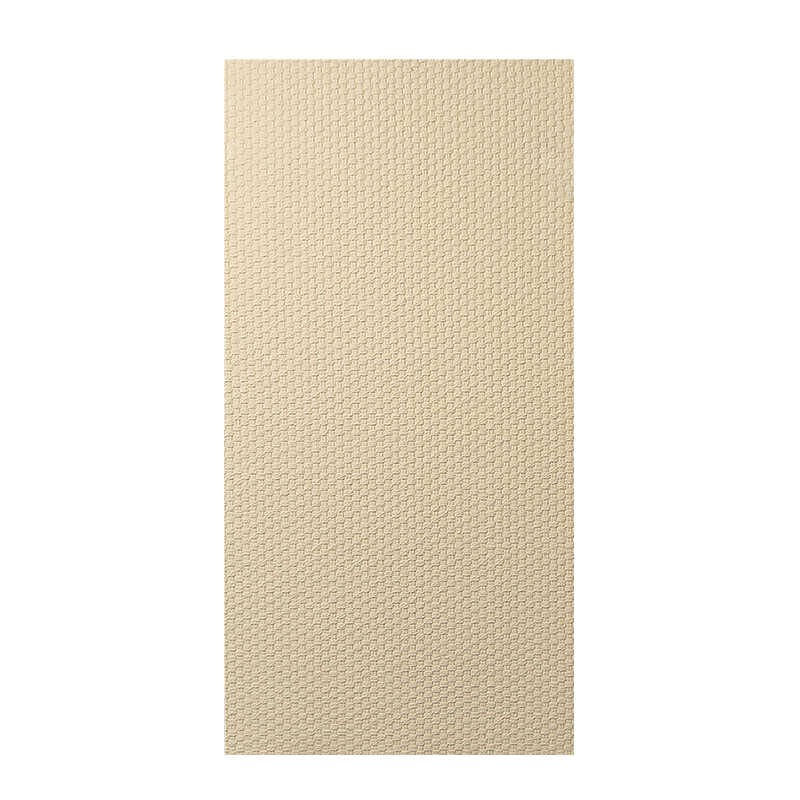
Buyers working directly with a flexible stone manufacturer on private-label or OEM orders usually raise a few recurring questions early in the conversation. Color consistency across large orders is one — since the material comes from natural stone, batch-to-batch variation is expected, and buyers often request pre-shipment photos or physical samples before confirming volume runs. Backing compatibility with different adhesives is another common point, since installation methods differ between interior drywall applications and exterior substrate work.
Custom sheet sizing and roll length also come up for buyers with specific project dimensions, as does packaging — whether sheets ship in rolls, flat crates, or a mix depending on order size. Buyers managing multi-site installations sometimes request matched-batch shipments to avoid visible seams between panels sourced at different times.
A Material Built for a Specific Gap
Flexible stone doesn't try to replace slab stone outright, and it isn't positioned as cheaper stone — it's positioned as stone that fits situations slab stone physically can't. Curved surfaces, weight-restricted structures, and projects where shipping volume matters all point buyers toward this category. For sourcing teams weighing design intent against structural and logistical constraints, a flexible stone manufacturer offers a way to keep the natural material without the handling problems that come with cutting and hauling solid slabs.