English
 русский
 عربى

Skirting PS has become a practical choice for many interior finishing projects where a clean transition between floor and wall is needed. Made primarily from polystyrene, this type of profile offers a lightweight alternative that fits a range of residential and commercial settings.
Composition and Basic Structure of Skirting PS
Skirting PS starts with polystyrene resin that is processed into a dense foam or solid profile. The material is extruded into long lengths with consistent cross-sections. Surfaces can receive printed finishes that mimic wood grain or remain plain for later painting. Density typically falls in a range that balances rigidity with low weight, allowing the boards to hold their shape while remaining easy to handle on site.
Because the core is closed-cell in many formulations, moisture uptake stays limited compared with some porous materials. These traits help Skirting PS perform in everyday interior conditions without requiring special structural support. The uniform structure also supports clean cutting and joining during installation across larger floor areas.
Surface Options and Visual Range
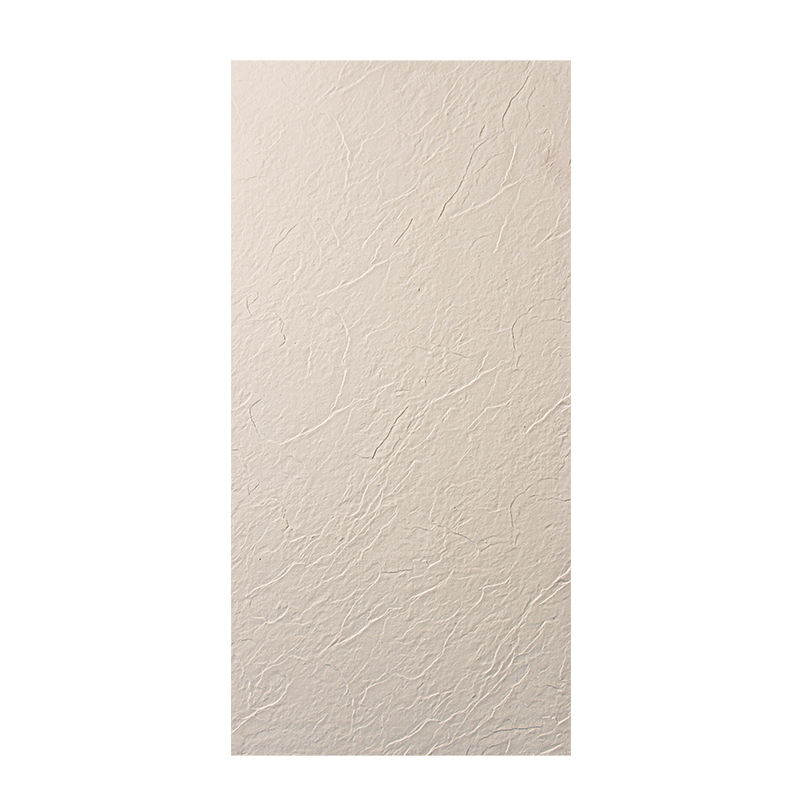
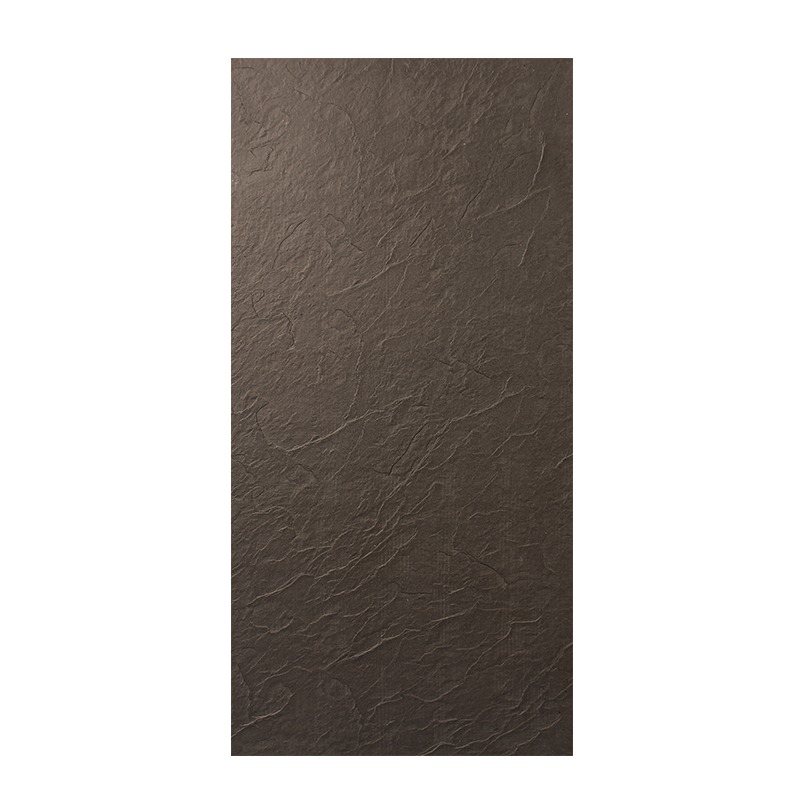
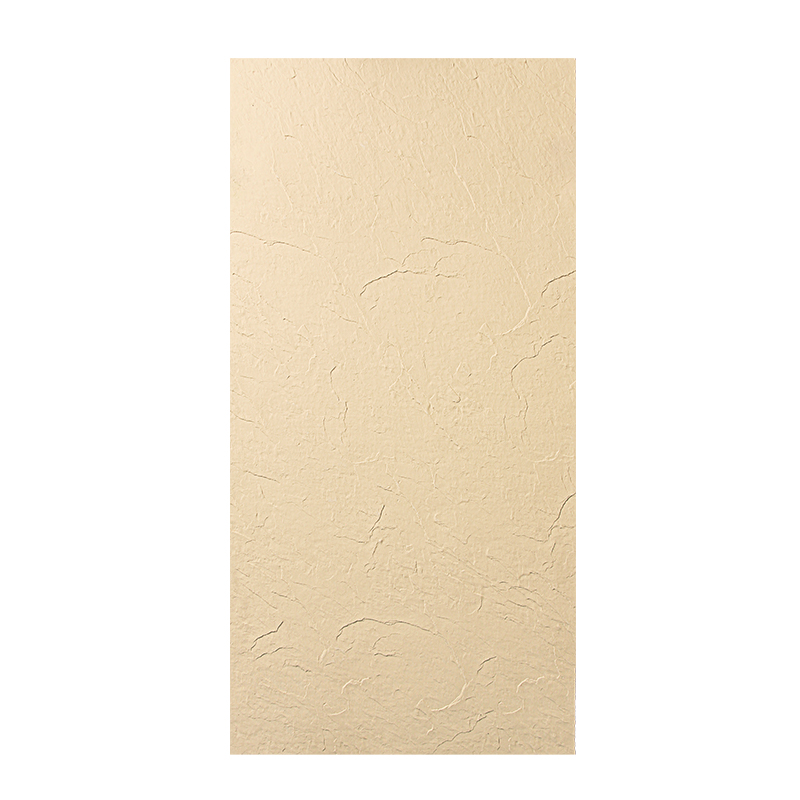
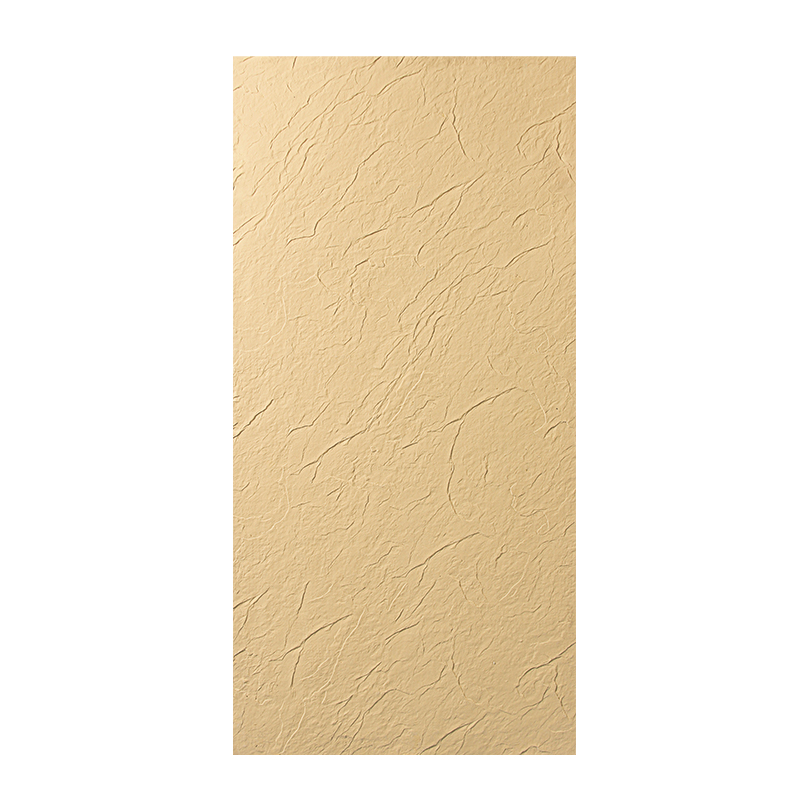
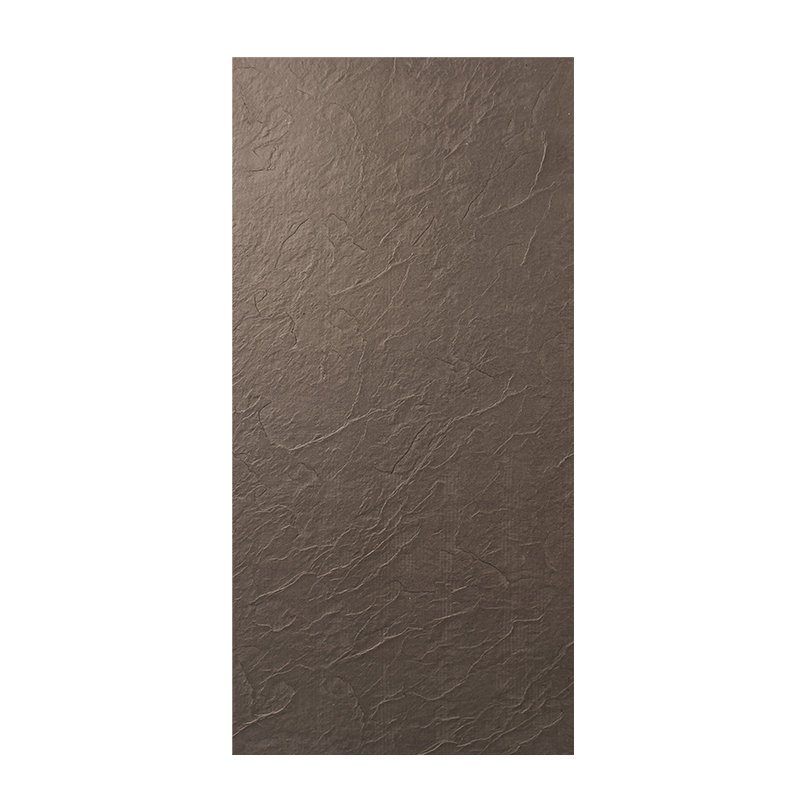
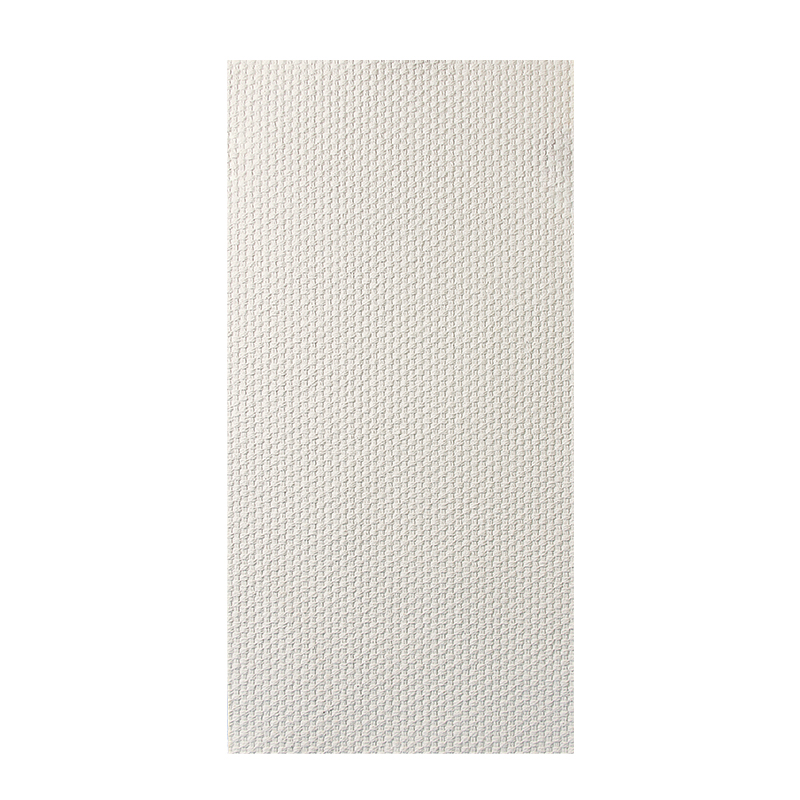
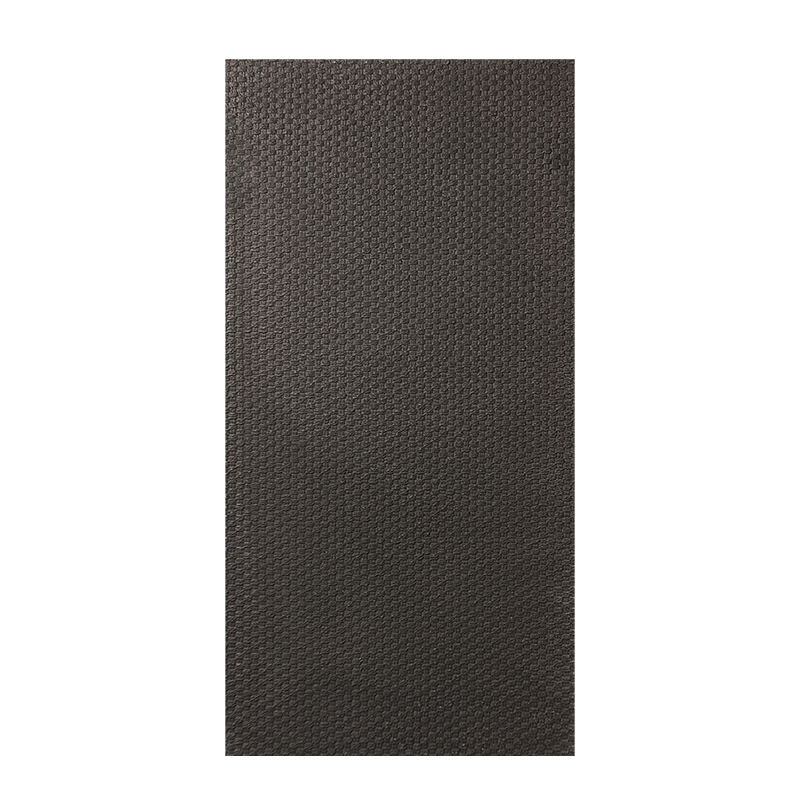
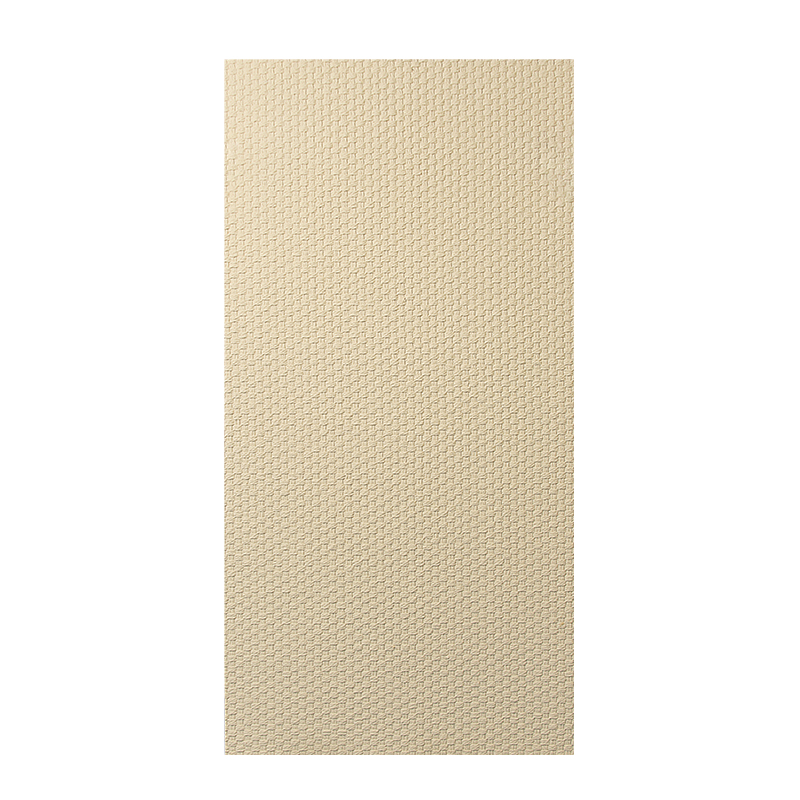
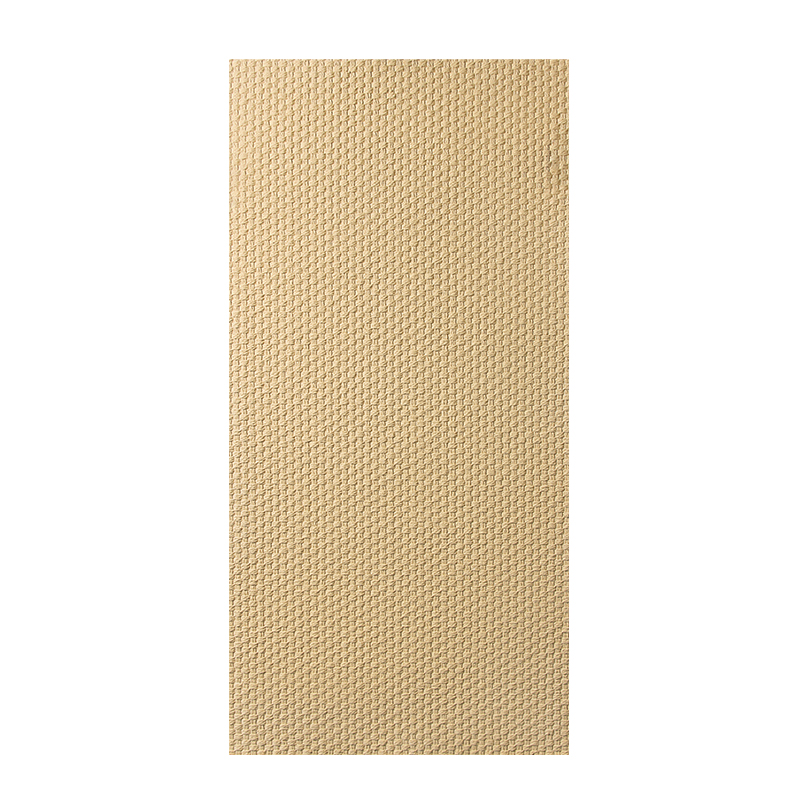
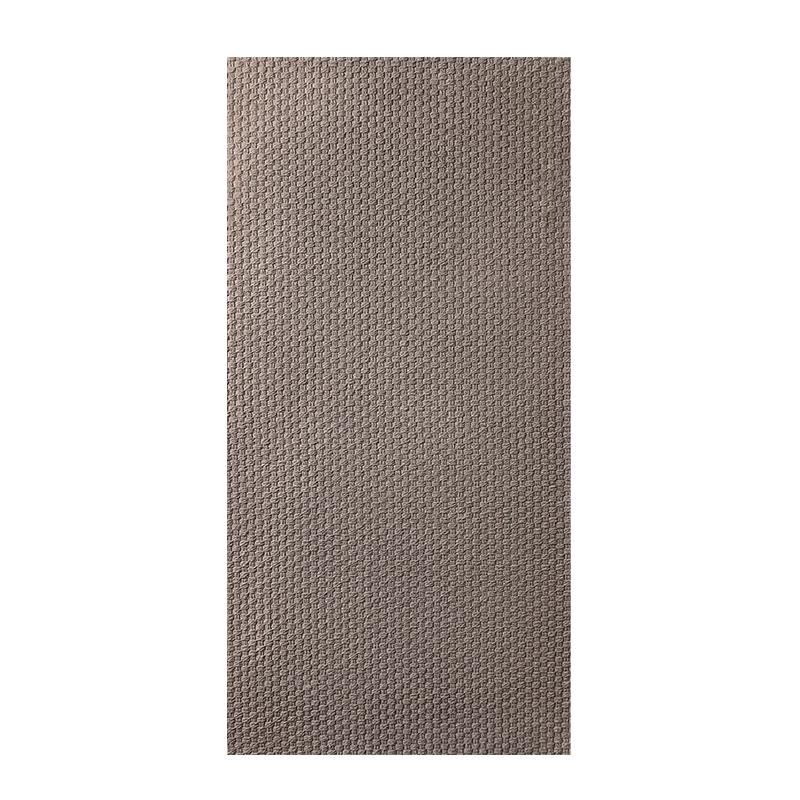
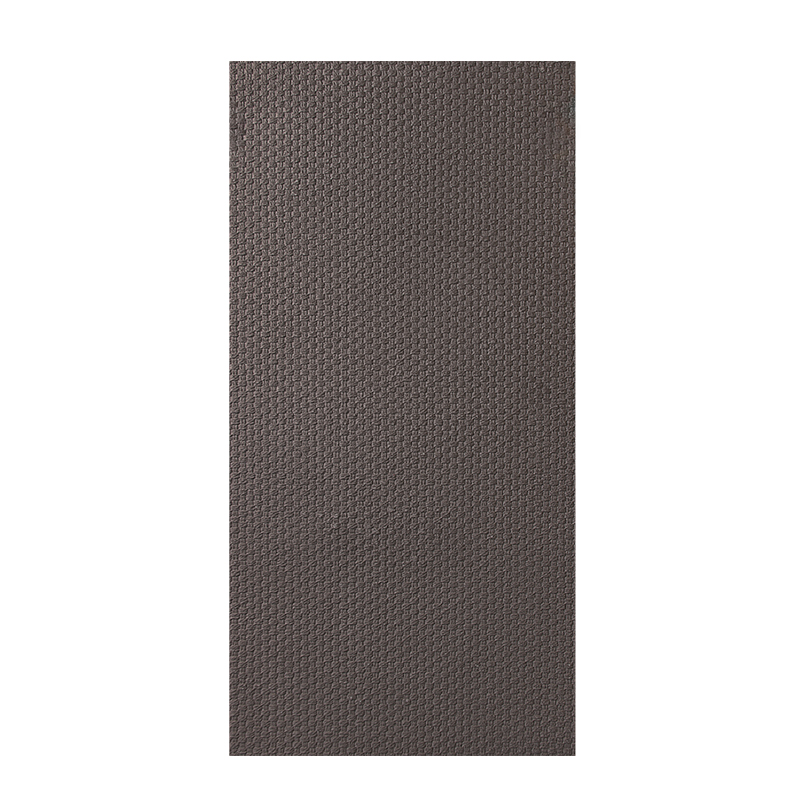
Available finishes for Skirting PS include solid colors, wood-look laminates, and paintable white surfaces. Profiles range from simple square edges to more contoured shapes that suit contemporary or traditional rooms. Height and thickness can be adjusted during production to match ceiling proportions or existing trim.
The printed layers are applied during or after extrusion so the pattern remains stable under normal wear. This variety lets project teams coordinate Skirting PS with flooring and wall finishes without introducing mismatched materials. Buyers can request sample sets to verify color and texture alignment before placing full orders.
Extrusion and Forming Methods
Production of Skirting PS begins with melting polystyrene pellets and forcing the material through a shaped die. Cooling tunnels set the profile geometry, after which lengths are cut to standard or custom sizes. Surface decoration can be added inline through printing or film application.
Factories often run continuous lines that maintain dimensional accuracy across long production runs. Secondary operations such as end cutting or packaging follow immediately so finished boards leave the plant ready for shipment. Consistent tooling and process control help keep profiles uniform from batch to batch, supporting reliable supply for ongoing projects.
Compatibility with Flooring Types
Skirting PS works alongside laminate, vinyl, tile, and engineered wood floors. Its height can be selected to sit just above the finished floor surface, covering the expansion perimeter cleanly. In areas with underfloor heating the material’s low thermal mass causes little interference.
The smooth rear face allows adhesive to spread evenly, while the front profile provides a finished look that ties the floor and wall together visually. Project teams often order sample lengths to confirm the match with chosen flooring before full quantities are produced. This compatibility simplifies specification when multiple flooring materials appear within the same building.
Skirting PS continues to serve as a functional and adaptable finishing element across many building types. Its combination of material properties, visual flexibility, and straightforward installation supports efficient project delivery for buyers sourcing from manufacturing partners. When specifications call for a reliable baseboard solution that balances appearance with practical performance, Skirting PS remains a frequently specified option in current interior programs.