English
 русский
 عربى

Natural stone has a distinctive appearance, but traditional stone slabs can be difficult to use on curved structures or surfaces with complex shapes. Flexible stone offers another material option for architectural and interior projects. It combines stone-like textures with a thinner, more adaptable structure, giving designers and building material suppliers additional choices for wall decoration and surface applications.
For overseas distributors, construction material importers, and project suppliers, understanding how a Flexible Stone Manufacturer develops these products can help clarify material specifications, production methods, and potential applications.
What Makes Flexible Stone Different?
Flexible stone is generally developed as a thin decorative surface material. Depending on the product type, its structure may combine natural mineral materials with a flexible backing or other supporting layers.
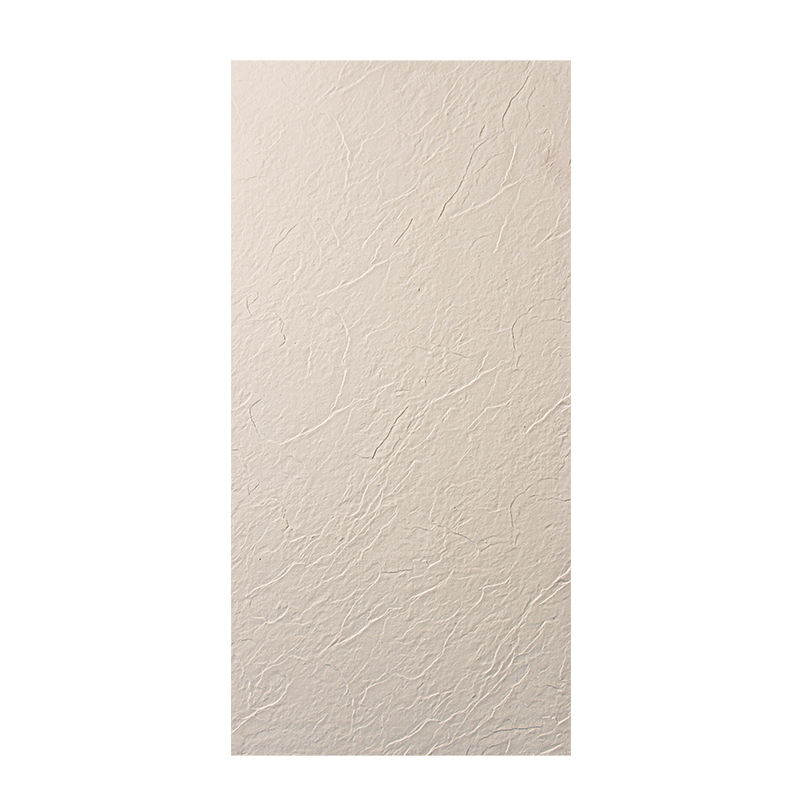
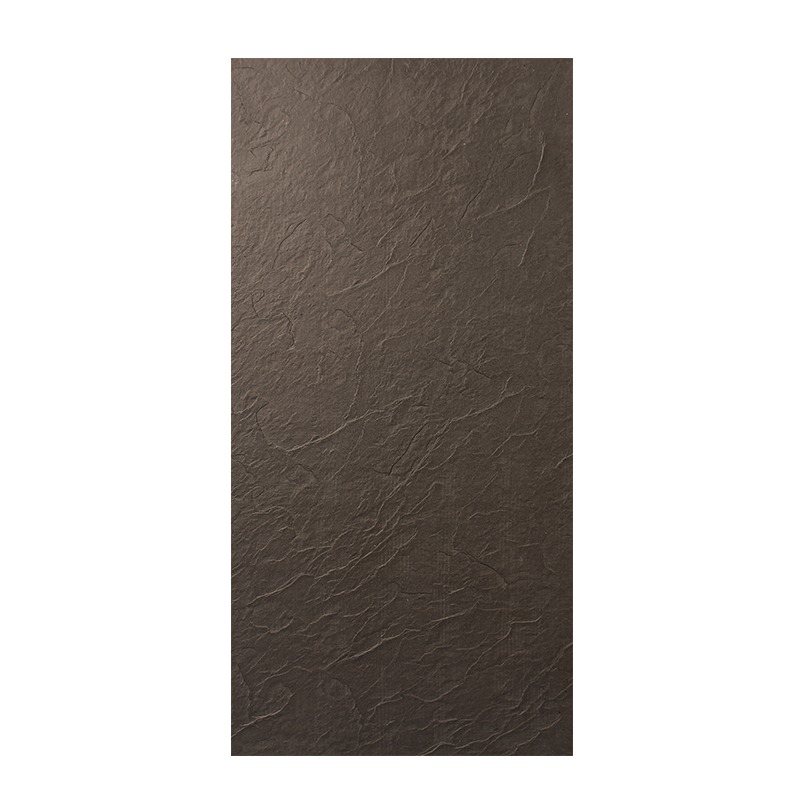
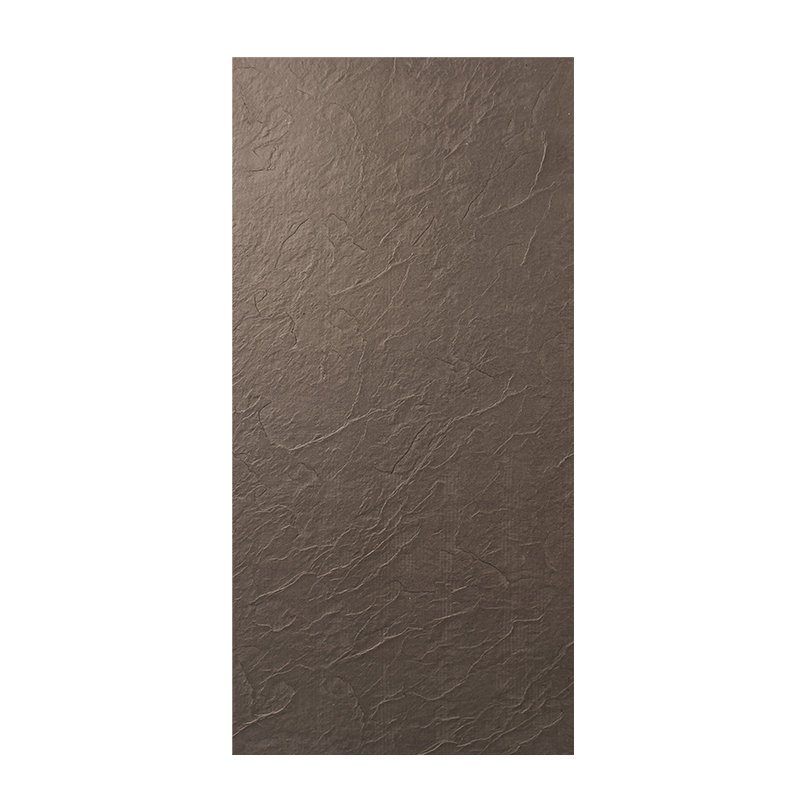
Unlike conventional stone slabs, flexible stone products are designed to adapt to certain curved or uneven surfaces. Their appearance can reproduce different stone patterns, including slate, sandstone, and other natural textures.
Several product characteristics are relevant to commercial projects:
- Surface texture: Different patterns and finishes create varied decorative effects.
- Product thickness: Thickness influences flexibility and installation compatibility.
- Backing structure: The supporting layer contributes to the material's handling and application characteristics.
- Size and format: Sheet dimensions affect cutting plans and project layouts.
These specifications can vary between product ranges, so buyers should compare actual technical details rather than assume that all flexible stone materials share the same structure.
How Production Shapes the Surface Appearance
The appearance of flexible stone is closely related to its raw materials and forming process. Depending on the manufacturing method, production may involve preparing mineral materials, creating surface textures, forming the material into sheets, and applying a backing layer.
Texture formation is an important stage. Natural-looking patterns may be developed through material selection and surface processing. Variations in mineral composition and processing methods can produce differences in color, grain, and surface depth.
A Flexible Stone Manufacturer also needs to consider how the decorative layer and supporting structure work together. The final sheet should match the intended product specifications, including thickness, flexibility, surface finish, and dimensions.
For B2B buyers, these production details are useful when comparing product ranges for different architectural projects.
Where Flexible Stone Fits in Architectural Projects
Flexible stone is used in applications where designers want a stone-inspired appearance without relying on conventional thick stone panels.
Common applications include:
- Interior feature walls in hotels, offices, and commercial buildings
- Decorative wall surfaces in residential developments
- Reception areas and display backgrounds
- Selected exterior wall decoration systems
- Columns, curved walls, and other shaped surfaces where the product specification allows
Its suitability depends on the substrate, installation method, product construction, and project conditions. For this reason, material selection should be based on the actual application rather than appearance alone.
Texture and Color Options for Different Projects
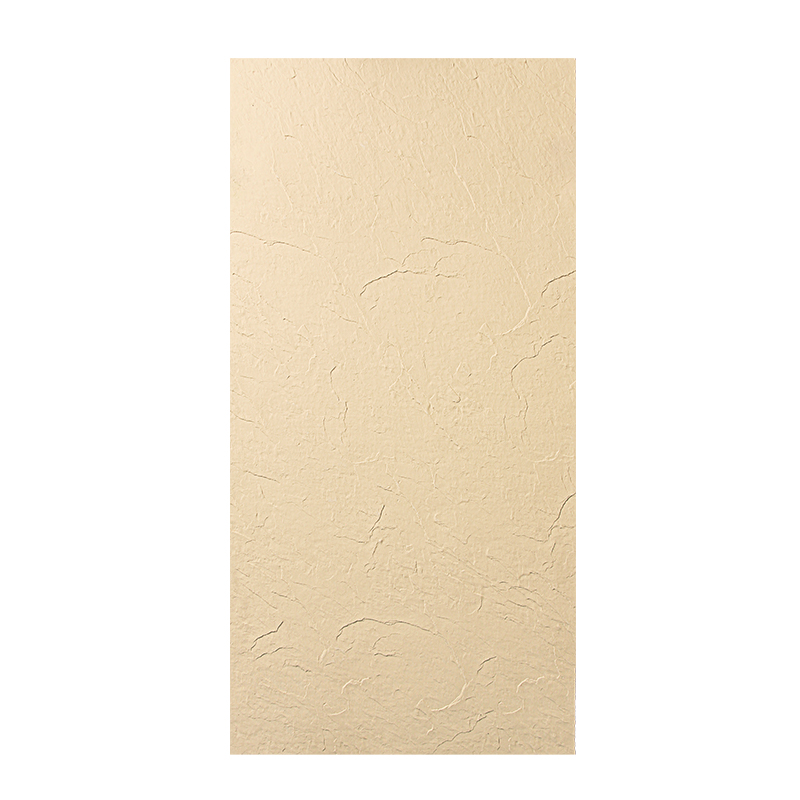
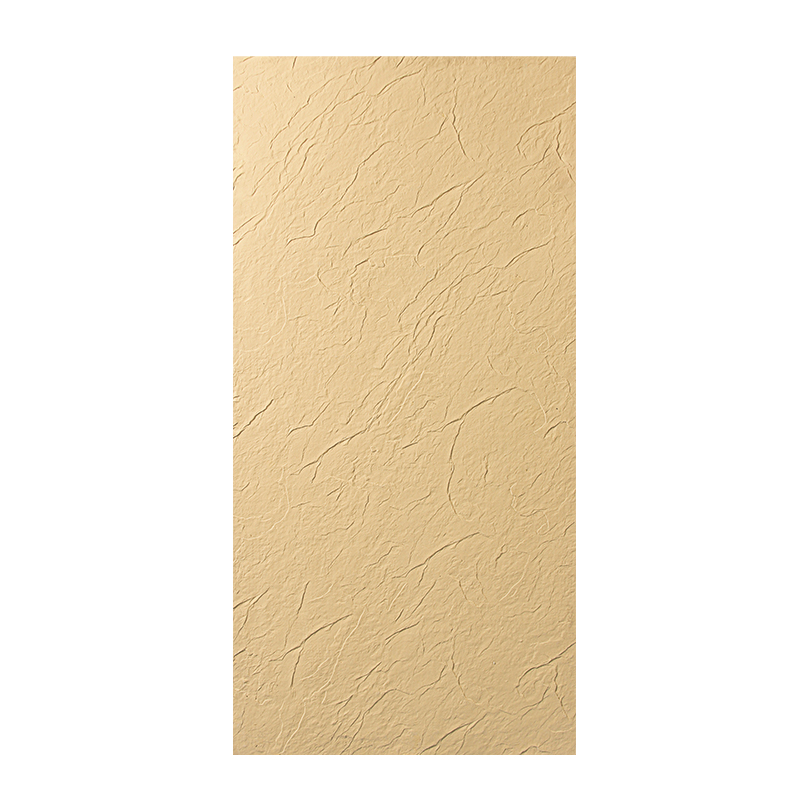
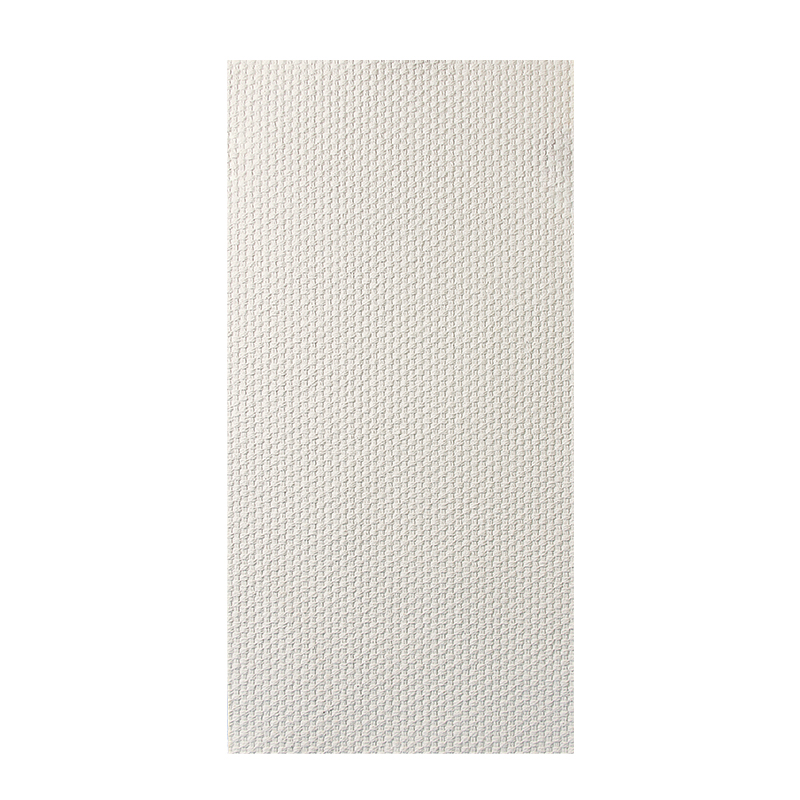
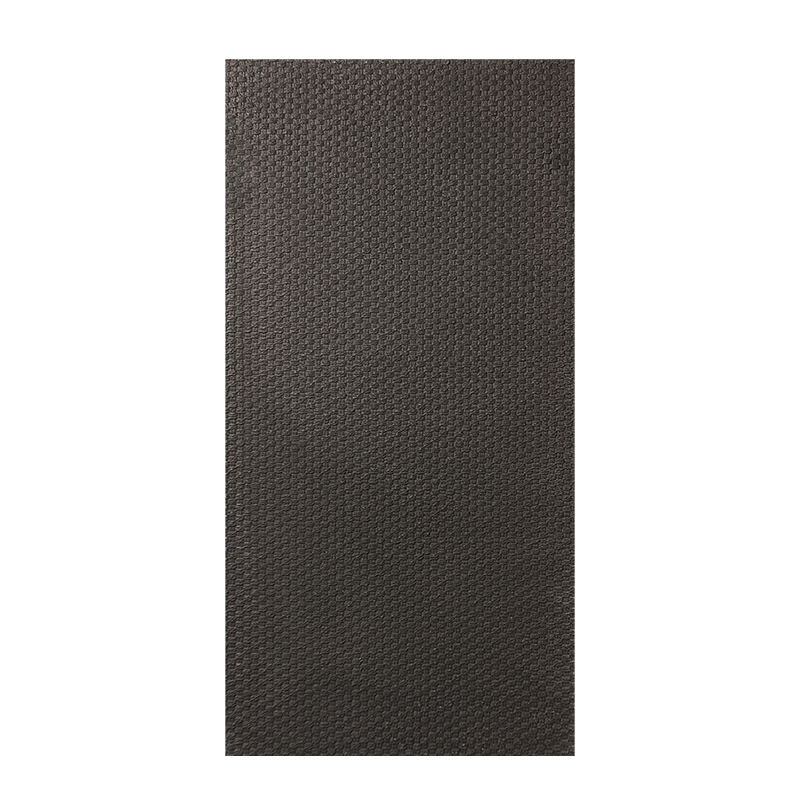
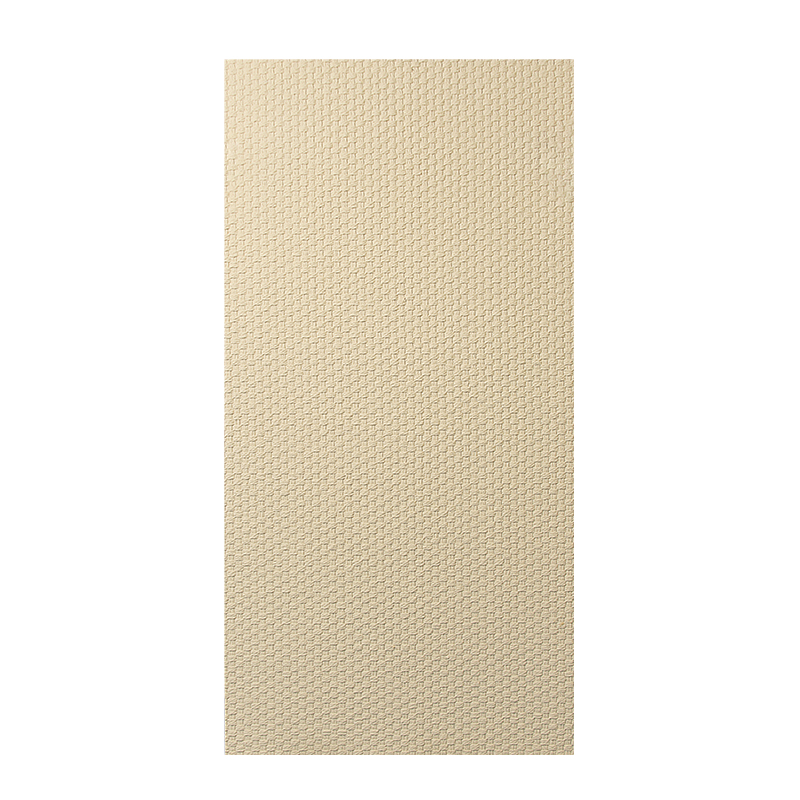
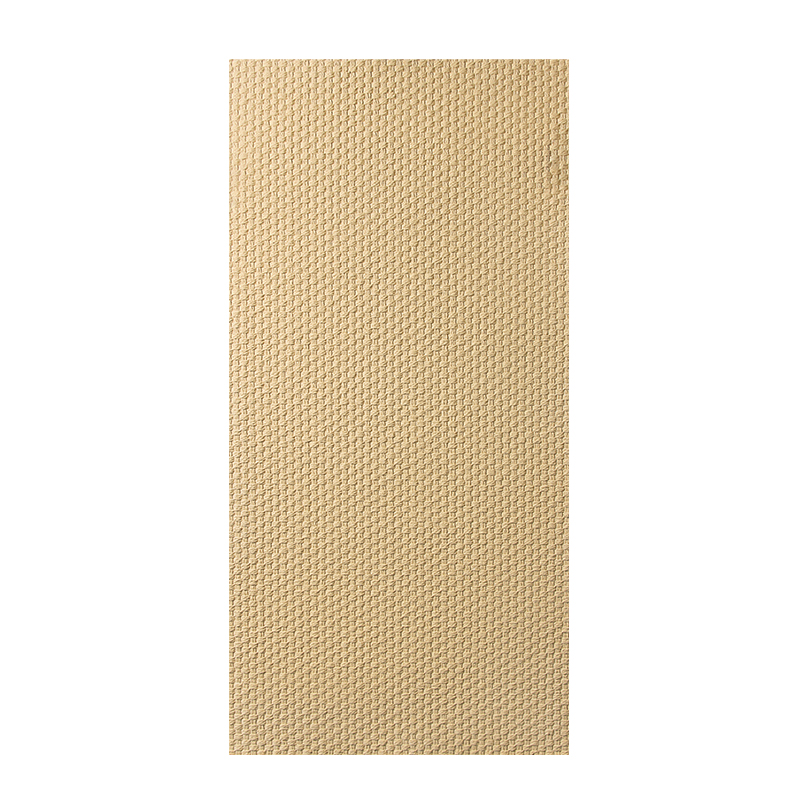
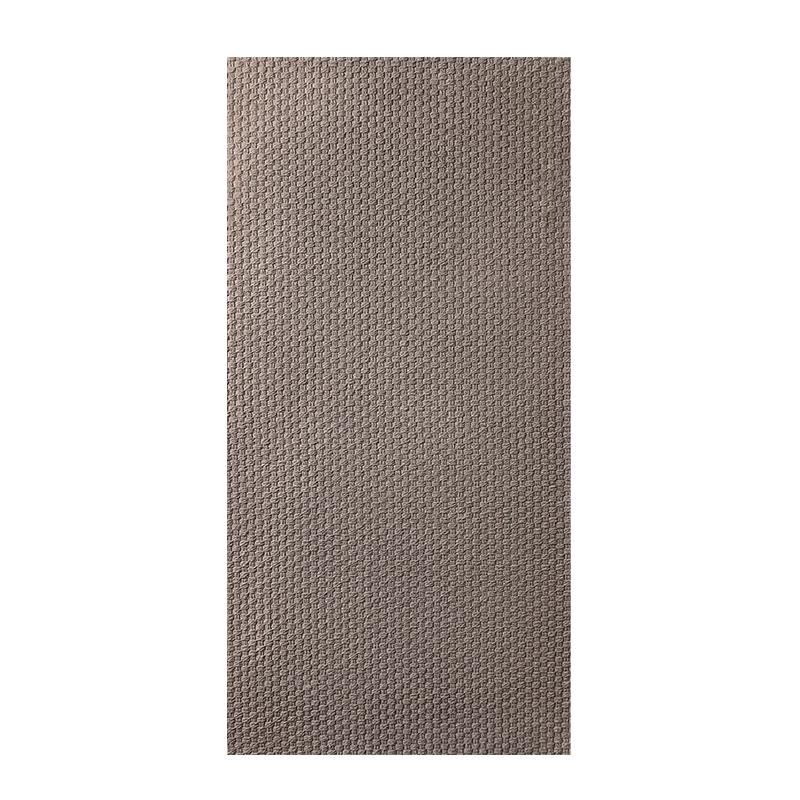
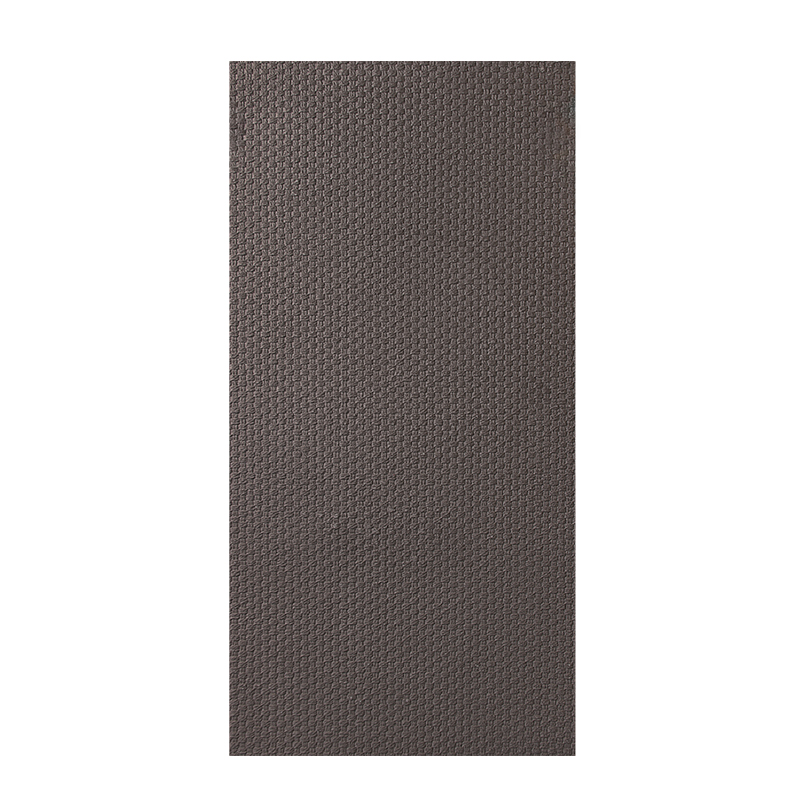
Architectural projects often require different surface styles within the same material category. Some projects use slate-inspired textures for a natural visual effect, while others prefer sandstone patterns or more uniform stone finishes.
A Flexible Stone Manufacturer may offer multiple surface designs, colors, and sheet formats to serve different market requirements.
For distributors and project suppliers, product variety can support several customer groups, such as interior decoration companies, building material retailers, and contractors working on commercial developments.
When discussing customization, buyers should clarify the available color range, surface pattern, dimensions, thickness, and backing options. This makes it easier to determine whether a product can match a project's design requirements.