English
 русский
 عربى

Construction material buyers and interior project contractors often look for wall covering options that combine the look of natural surfaces with consistent industrial production. A WPC Wall Panel Factory specializes in manufacturing wood-plastic composite panels designed for interior wall applications. These facilities turn mixed raw materials into finished boards ready for installation on commercial and residential projects.
Raw Material Preparation
Production begins with the careful blending of wood fibers or wood flour and thermoplastic resins, typically polyethylene or polypropylene. The wood component is dried to a controlled moisture level to ensure stable processing. Additives such as coupling agents, stabilizers, and color pigments are introduced at this stage to improve bonding and appearance.
In a WPC Wall Panel Factory the mixing process takes place in high-intensity blenders that create a uniform compound. Consistent particle size and moisture content help the material flow evenly through subsequent equipment. The prepared compound is then transferred to storage silos or directly to the extrusion line.
Extrusion and Forming Process
The heart of operations in a WPC Wall Panel Factory is the extrusion stage. The compounded material is fed into a twin-screw extruder where heat and pressure melt and homogenize the mixture. The molten composite is forced through a calibrated die that shapes it into the desired panel profile—flat boards, tongue-and-groove designs, or embossed patterns.
Cooling follows immediately after the die. Water baths or air-cooling systems solidify the panel while maintaining dimensional accuracy. Pullers and cutters then size the continuous profile into standard lengths. Throughout this sequence, temperature zones and screw speeds are monitored to keep the melt consistent and to avoid surface defects.
Surface Treatment and Finishing Options
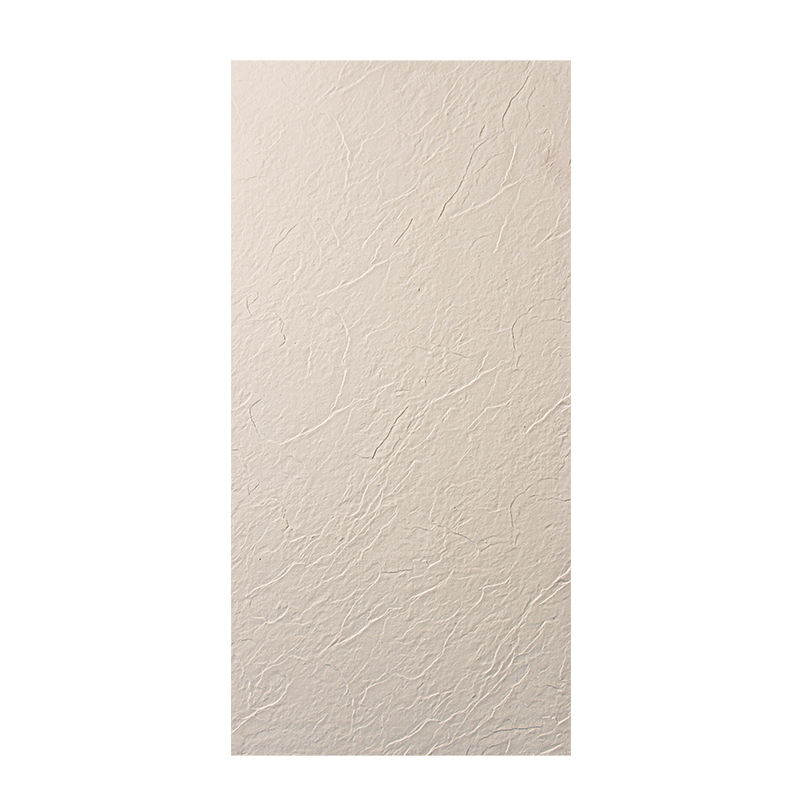
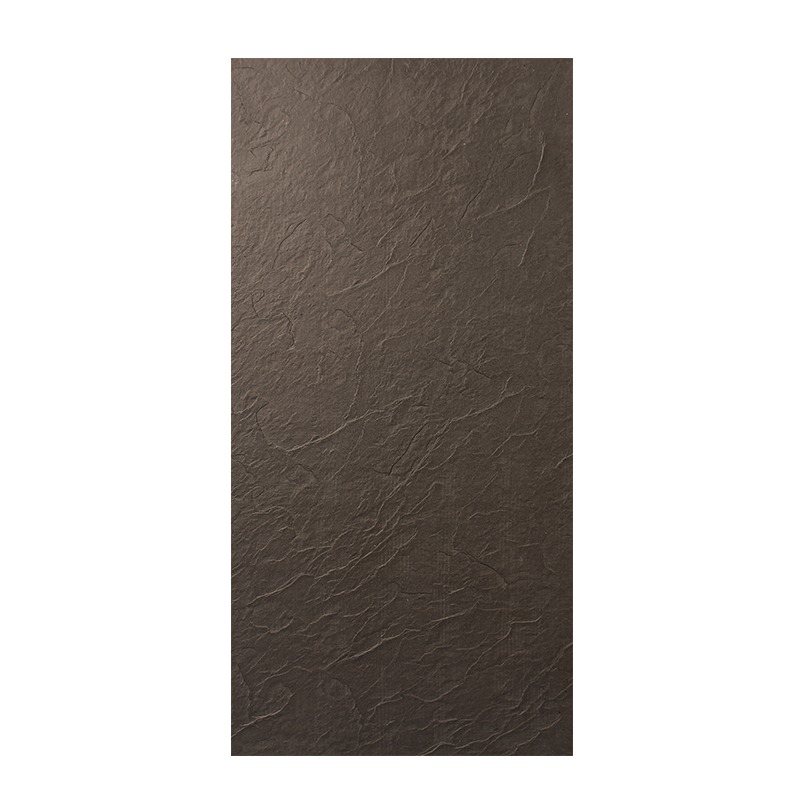
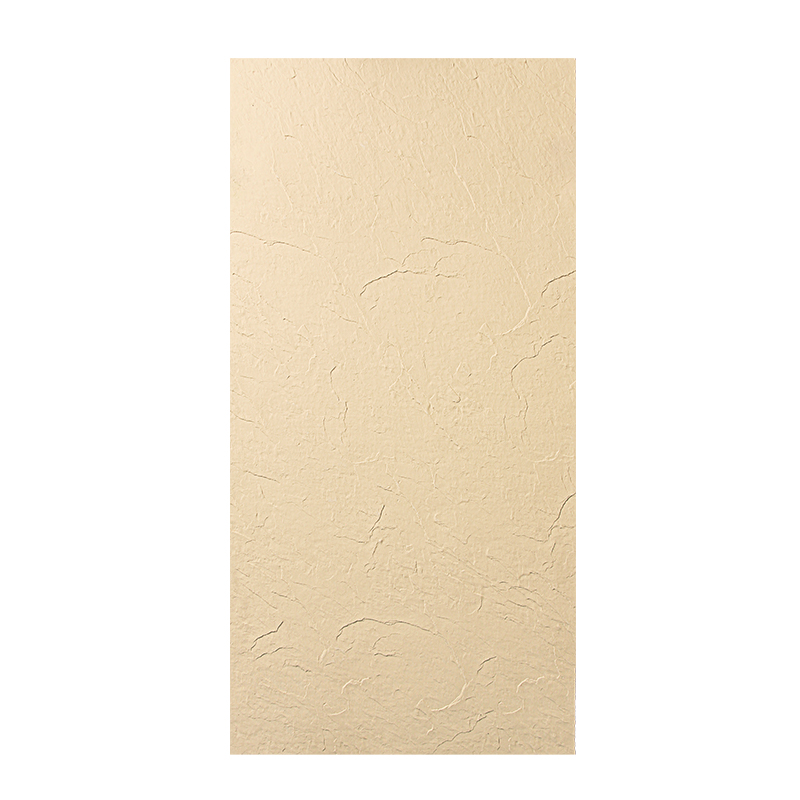
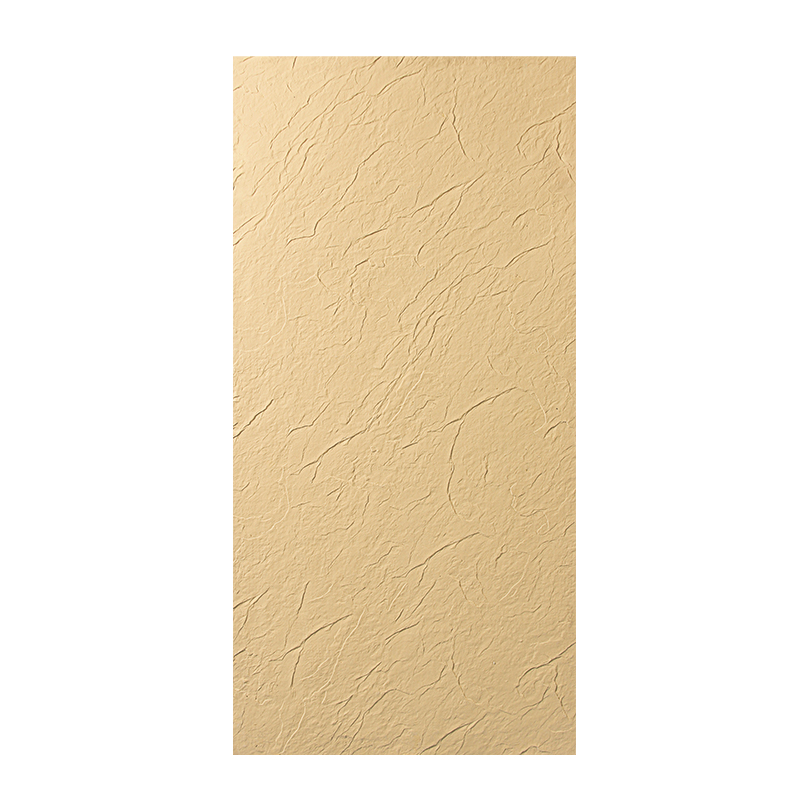
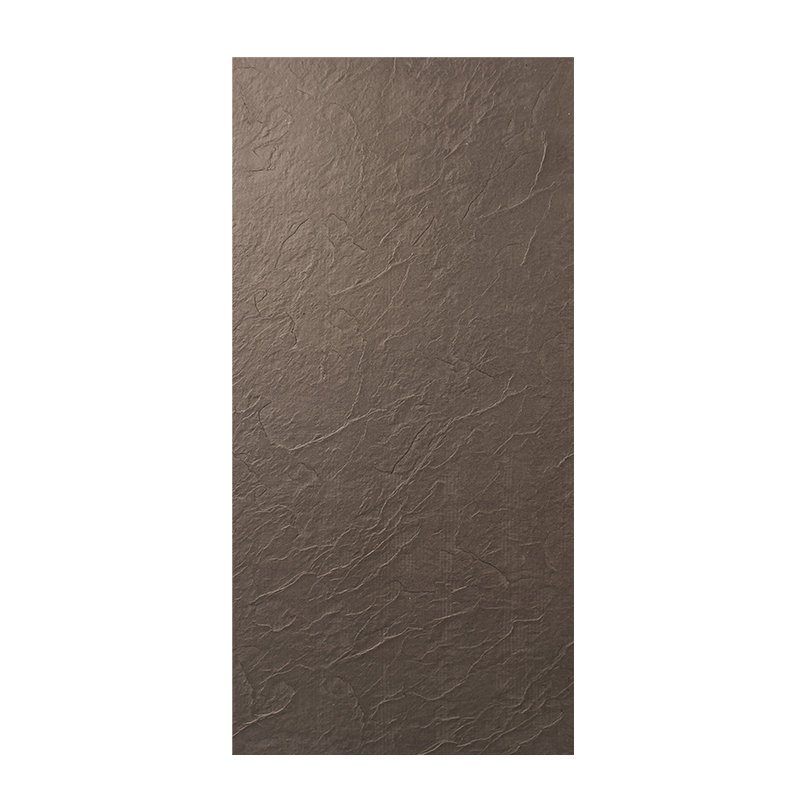
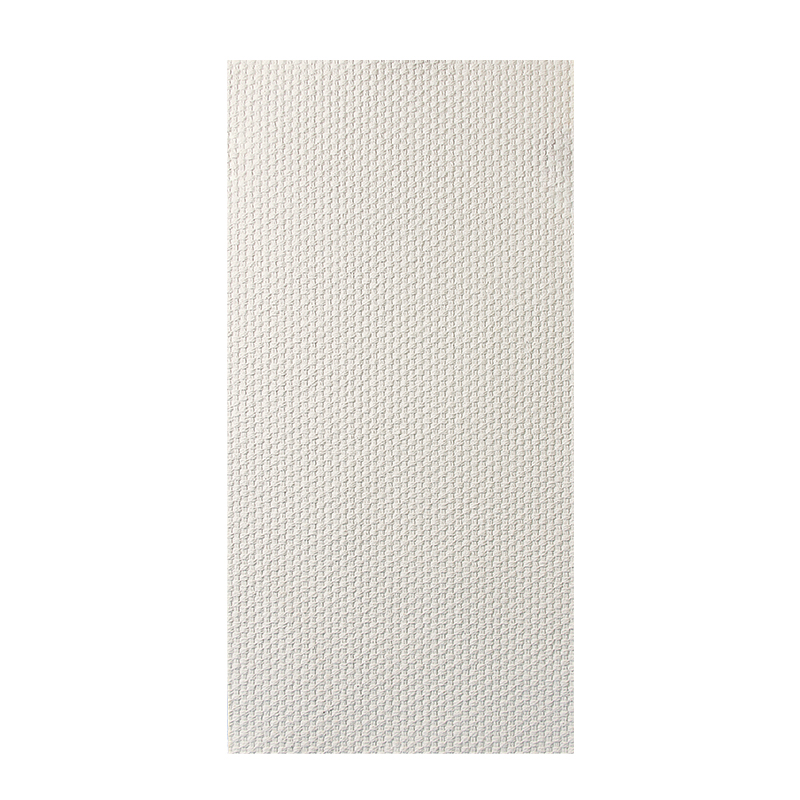
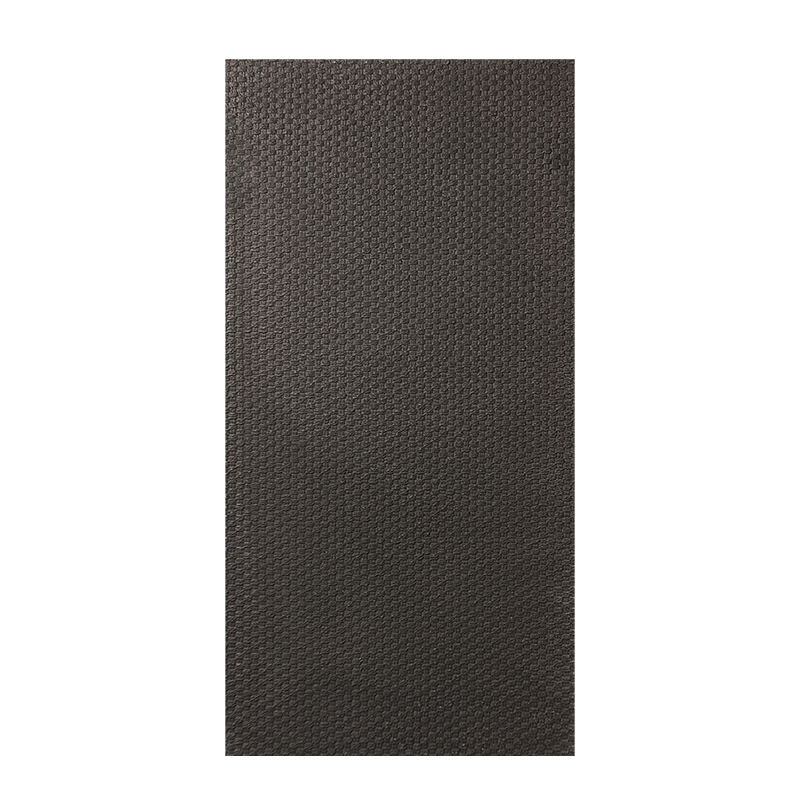
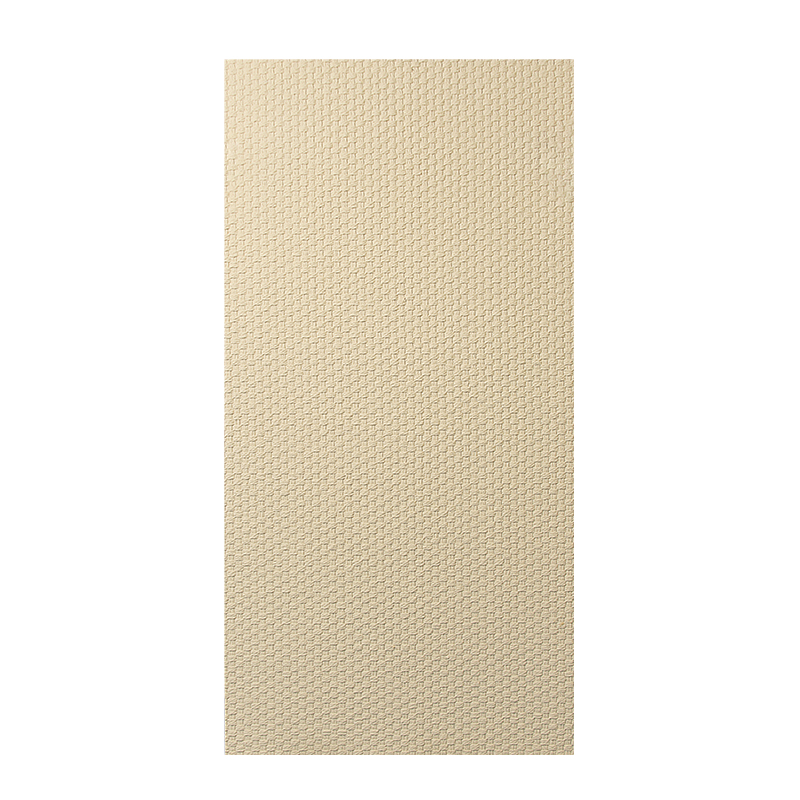
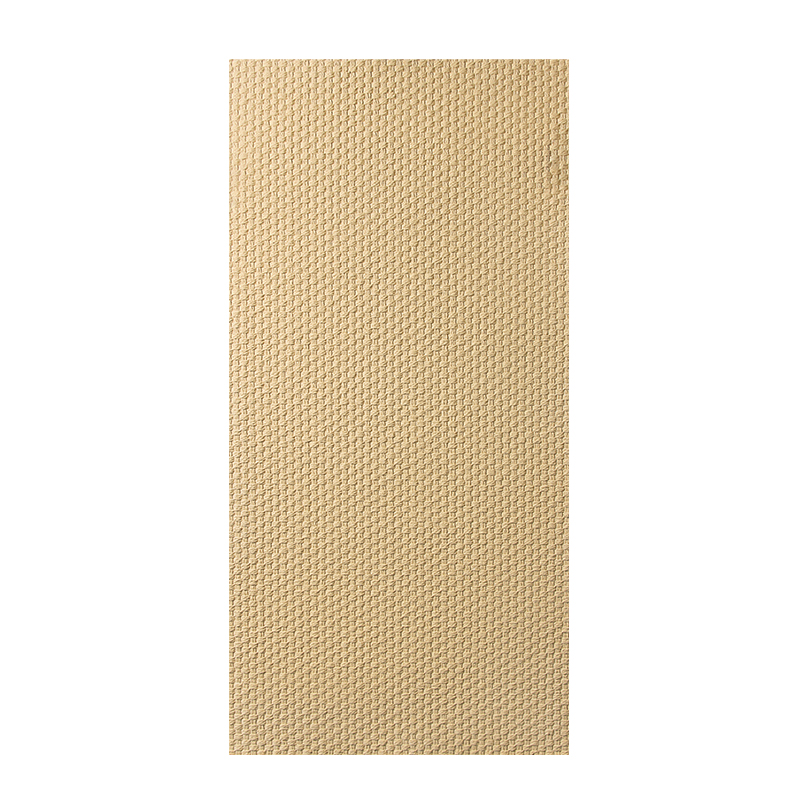
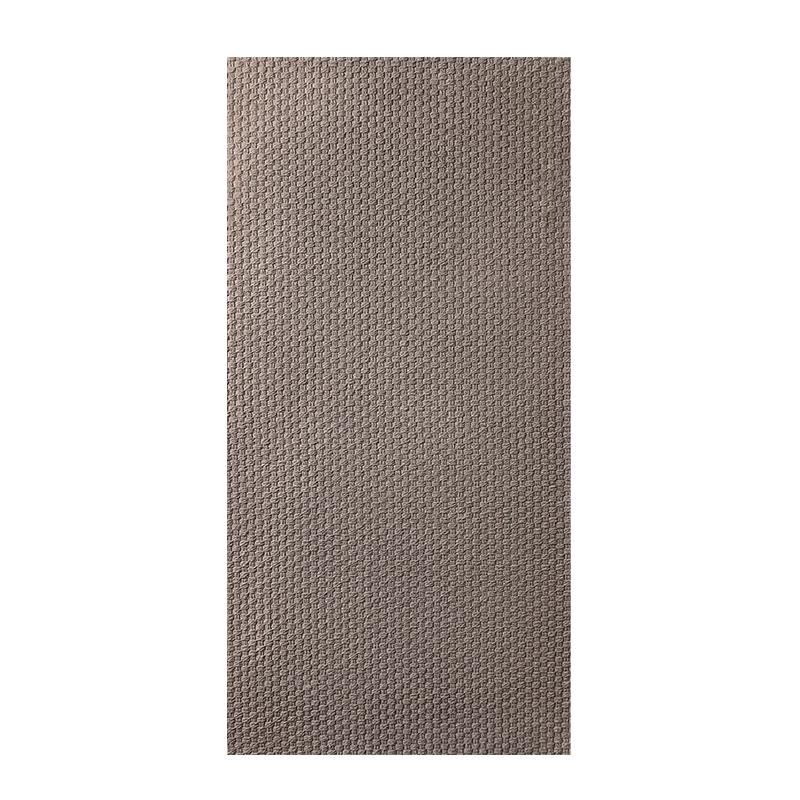
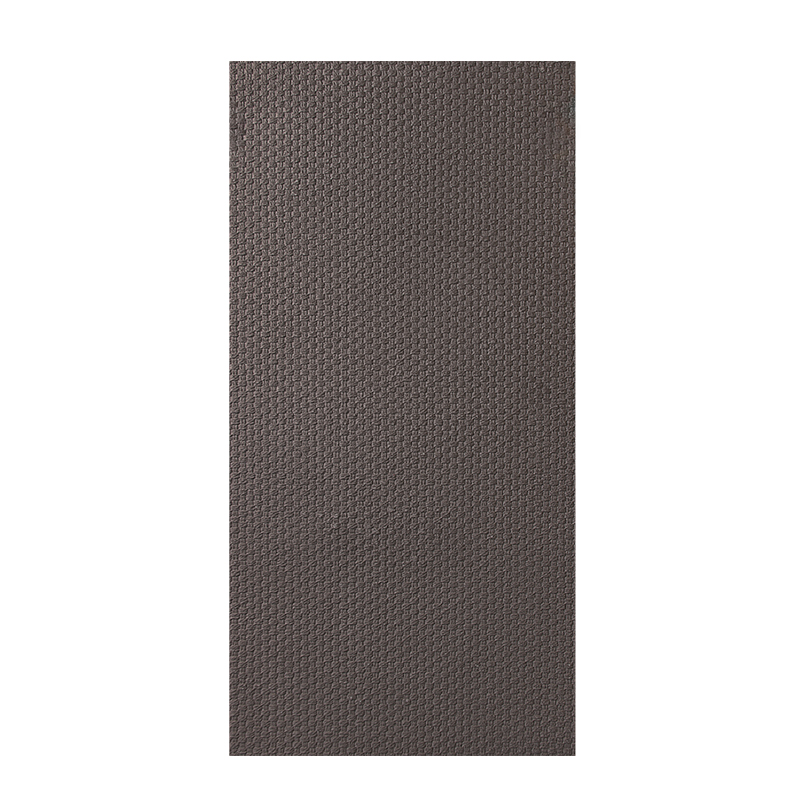
Once formed, panels move to finishing stations. Embossing rollers can imprint wood-grain, stone, or abstract textures onto the surface while the material is still slightly warm. Some lines apply protective coatings or printed films that enhance color depth and surface hardness.
Edge treatments such as beveling or groove cutting prepare the panels for seamless installation. A WPC Wall Panel Factory may also offer custom color matching so that large projects receive uniform batches. Quality checks at this stage verify thickness, width, flatness, and surface uniformity before packaging.
Panel Characteristics for Wall Use
WPC wall panels produced in these facilities typically exhibit moderate rigidity combined with enough flexibility to accommodate minor substrate irregularities. The composite structure resists moisture absorption better than solid wood, which helps maintain dimensional stability in interior environments with varying humidity.
The surface can be designed to accept standard cleaning methods used in commercial spaces. Color and texture options allow designers to specify panels that coordinate with other interior finishes. Because the material is formed under controlled conditions, successive production runs show reliable consistency in both appearance and physical properties.
Typical Project Applications
Commercial interior contractors use output from a WPC Wall Panel Factory for corridor walls, feature walls, and partition surfaces in offices, hotels, and retail spaces. The panels install relatively quickly with clip or adhesive systems, reducing on-site labor time compared with traditional wet finishes.
Residential projects incorporate the same panels in living areas, feature walls, and light-duty commercial zones within multi-family buildings. The ability to replicate natural materials while delivering uniform thickness supports efficient scheduling on larger job sites.
Production Consistency and Capacity
A well-organized WPC Wall Panel Factory maintains steady output through continuous extrusion lines and organized material handling. Batch tracking systems record the composition and process parameters of each run, allowing the facility to reproduce earlier results when repeat orders arrive.
Width and thickness tolerances are held within narrow ranges so that installers encounter fewer fitting issues. Packaging methods protect the finished panels during transport and storage, keeping edges and surfaces intact until they reach the job site.