English
  русский
  عربى
عربى 
The market for WPC wall panel indoor solutions is expanding as architects, contractors, and homeowners increasingly seek materials that balance aesthetics, durability, and environmental responsibility. WPC, or Wood-Plastic Composite, has emerged as a versatile interior finish, moving beyond traditional decking to become a preferred choice for modern walls. The selection process for a WPC wall panel indoor system now involves careful consideration of its composition, performance in specific spaces, and alignment with broader industry movements toward sustainable and healthy buildings.
What Are the Key Characteristics of a WPC Wall Panel Indoor Product?
A WPC wall panel indoor product is engineered from a composite of wood fibers or flour and thermoplastics, often including recycled materials. This fusion creates a sheet with the visual warmth of wood and the enhanced performance of plastic. The defining characteristic of a quality WPC wall panel indoor product is its exceptional resistance to moisture, making it inherently waterproof and resistant to rot, mold, and insect damage—a significant advantage in humid interiors. These panels are also valued for their dimensional stability, resisting warping and cracking that can affect natural wood. Many products in the WPC wall panel indoor category are designed for easy installation, featuring interlocking tongue-and-groove systems that facilitate a straightforward DIY or professional fit. Furthermore, pilot WPC wall panel indoor offerings often come with low or zero VOC emissions, contributing to better indoor air quality.
Where Are WPC Wall Panel Indoor Products Typically Applied?
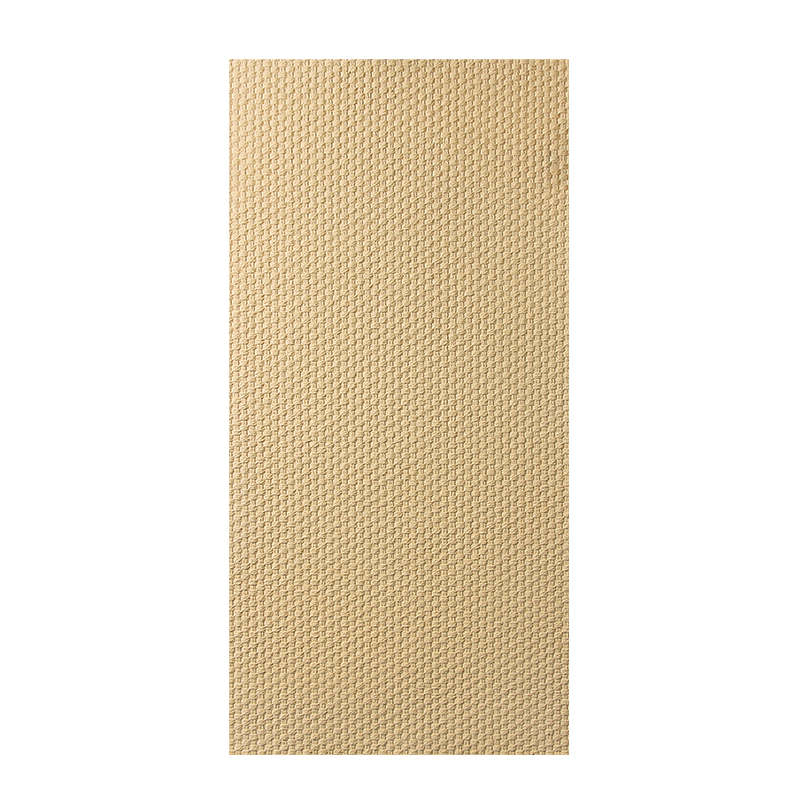
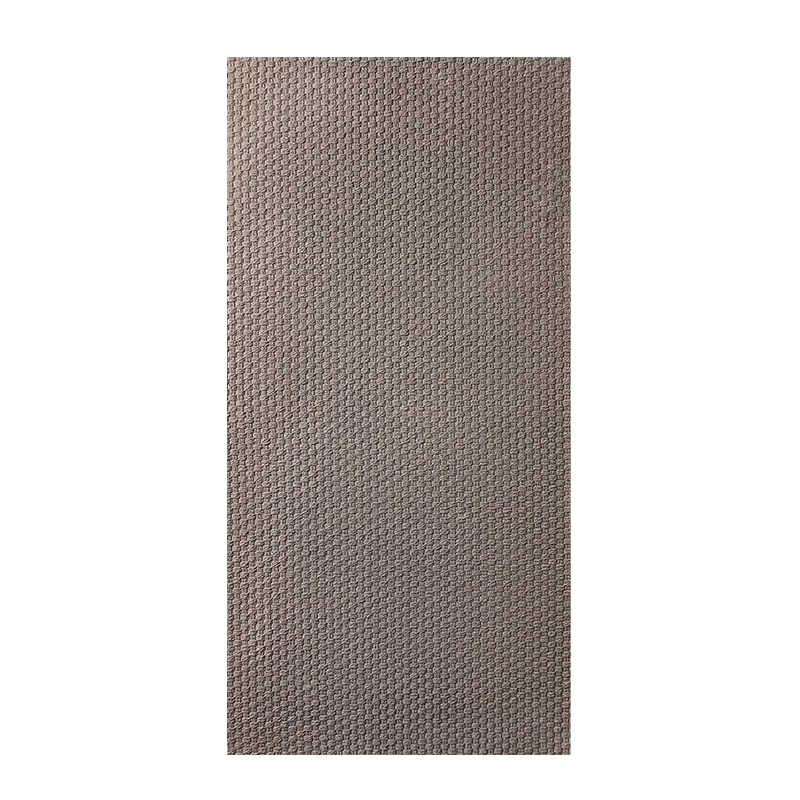
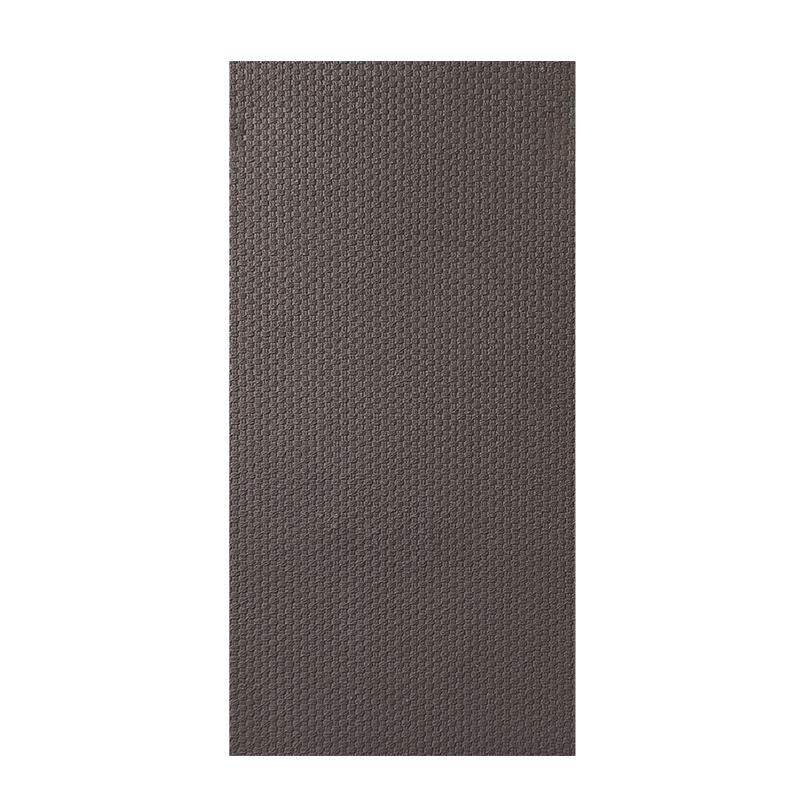
The application range for WPC wall panel indoor products is remarkably broad, driven by their durability and design flexibility. In residential settings, these panels are a popular choice for feature walls in living rooms and bedrooms, as well as for full-wall cladding in moisture-prone areas like kitchens and bathrooms, where their waterproof nature is a key benefit. The commercial sector has rapidly adopted WPC wall panel indoor solutions for spaces requiring high durability and low maintenance, such as hotel lobbies, restaurant walls, retail store interiors, and office accent walls. Their ability to withstand high traffic while maintaining appearance makes them a cost-effective long-term investment. Specific textured or 3D WPC wall panel indoor designs are also used to create visual interest on ceilings or as decorative room dividers, showcasing the material's versatility beyond flat wall surfaces.
What Trends Are Driving the WPC Wall Panel Indoor Market?
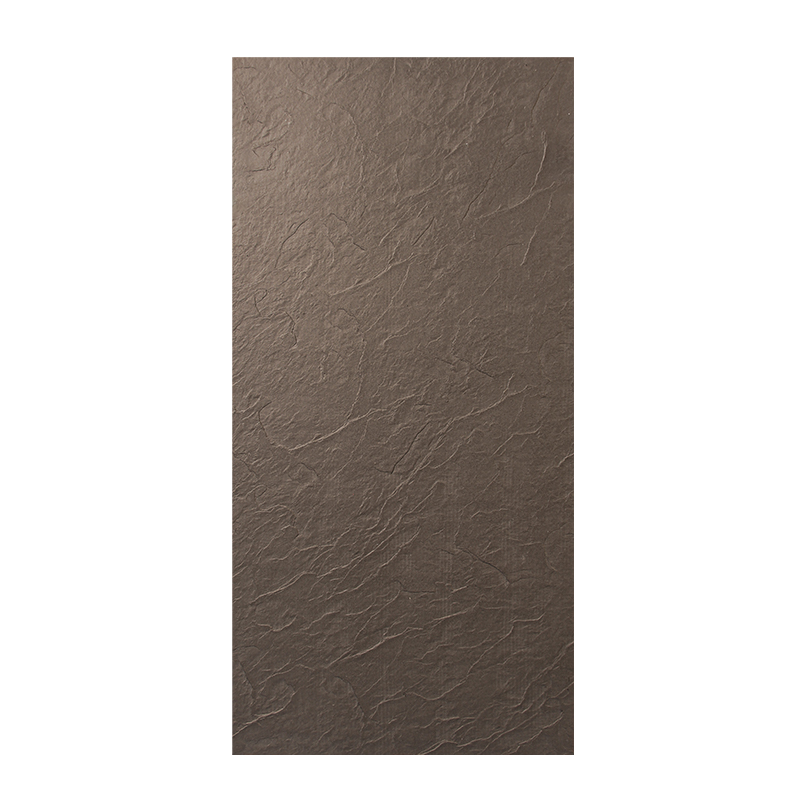
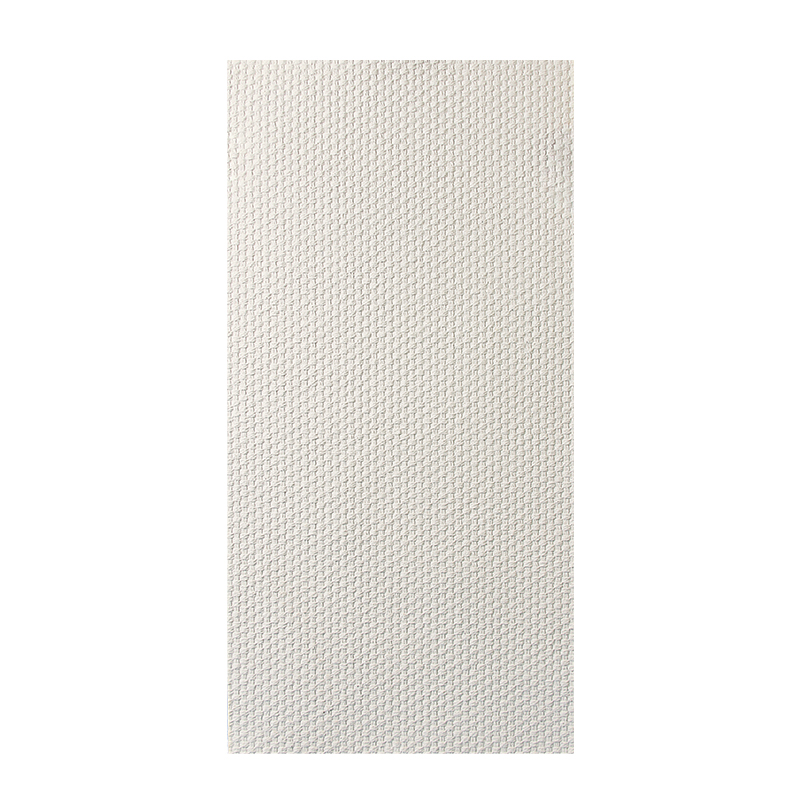
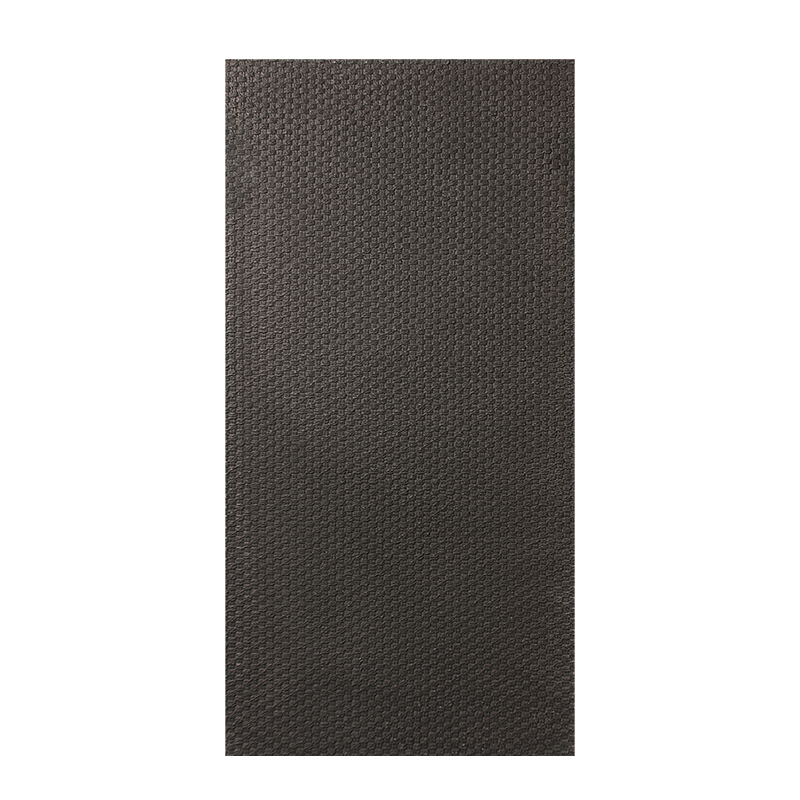
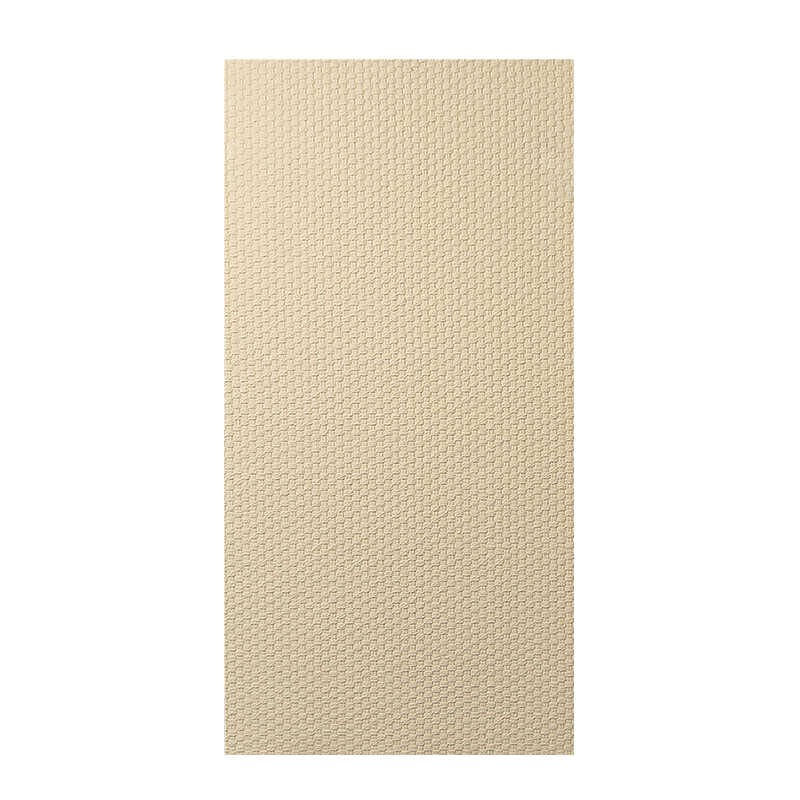
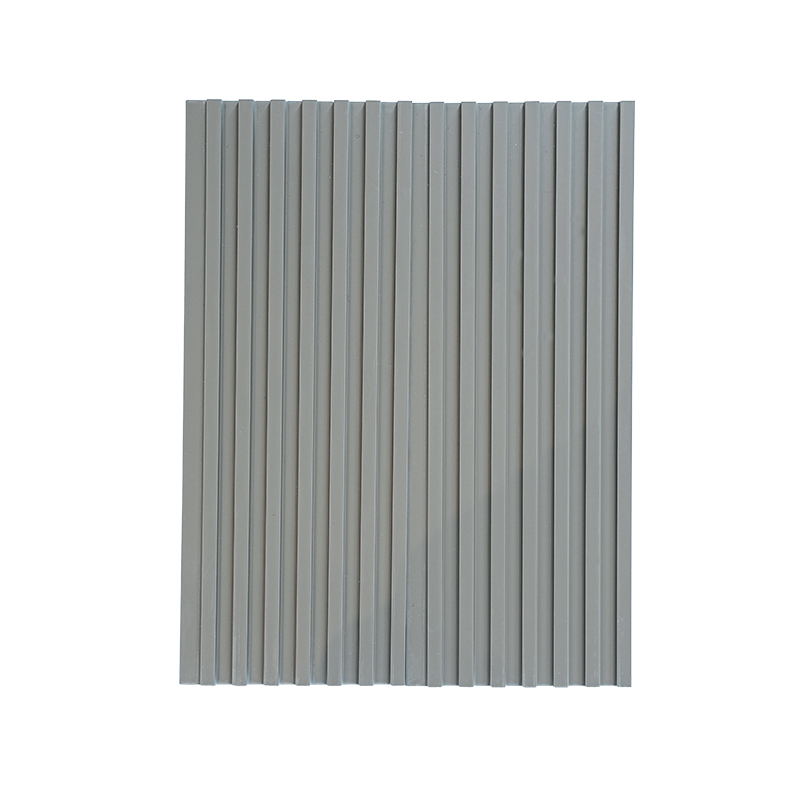
The growth of the WPC wall panel indoor segment is propelled by several converging trends. A primary driver is the strong demand for sustainable building materials. The use of recycled wood and plastic content in many WPC wall panel indoor products appeals to green building projects and environmentally conscious consumers, with some products containing over 50% recycled material. The industry is also responding with advancements in fire performance, with an increasing number of WPC wall panel indoor products achieving recognized fire-resistance ratings, such as Class B or better, expanding their acceptability in commercial codes. On the design front, manufacturers are continuously expanding offerings with a wider array of realistic wood-grain textures, contemporary colors, and innovative embossed or fluted profiles, allowing designers to achieve high-end looks with the practical benefits of a composite material.
The trajectory for WPC wall panel indoor products points toward continued innovation in eco-profile and technical performance. As building standards increasingly emphasize material health and lifecycle analysis, the WPC wall panel indoor market is well-positioned to grow. Its combination of practical resilience, design adaptability, and improved environmental footprint ensures that WPC wall panel indoor solutions will remain a significant and evolving category in the interior finishes industry, meeting the needs of projects that prioritize both aesthetics and long-term value.
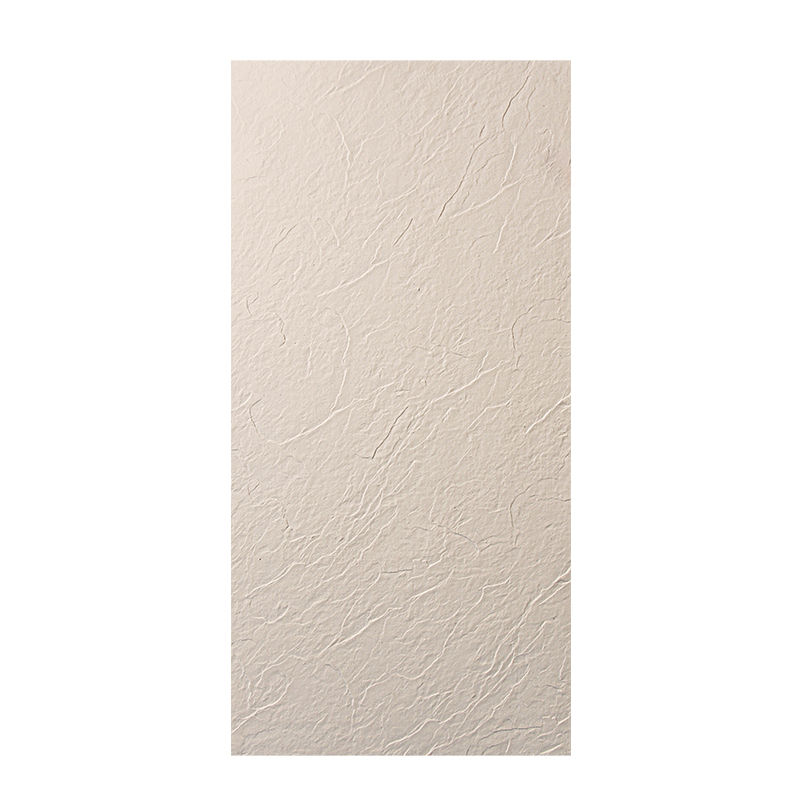
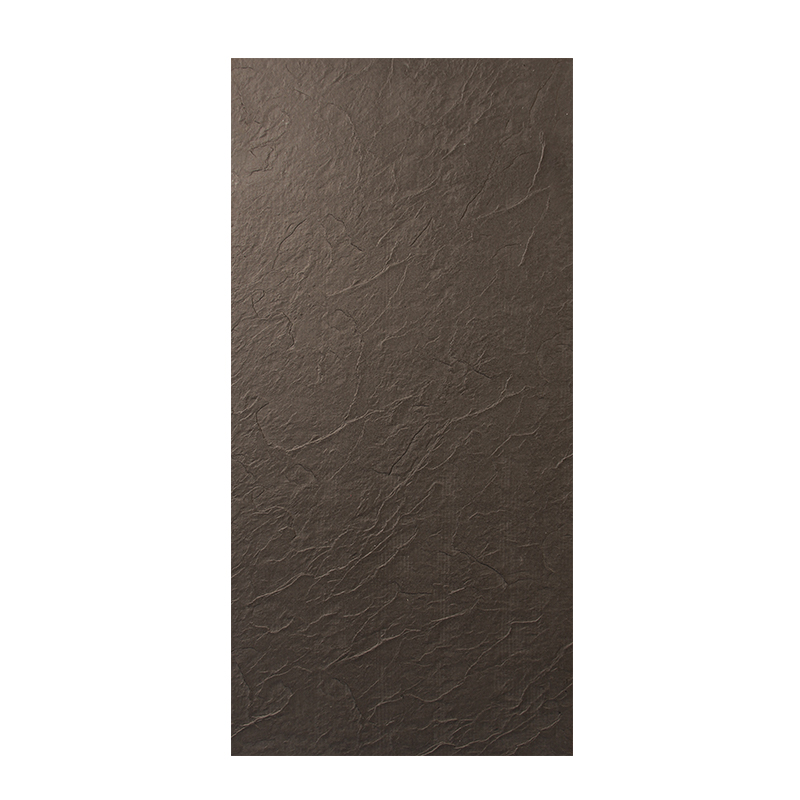
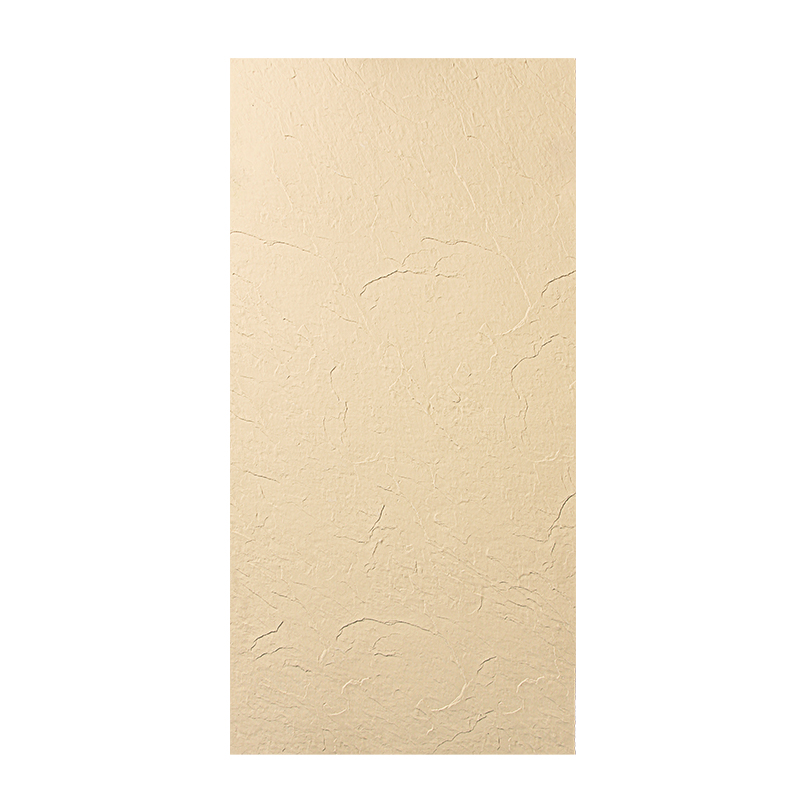
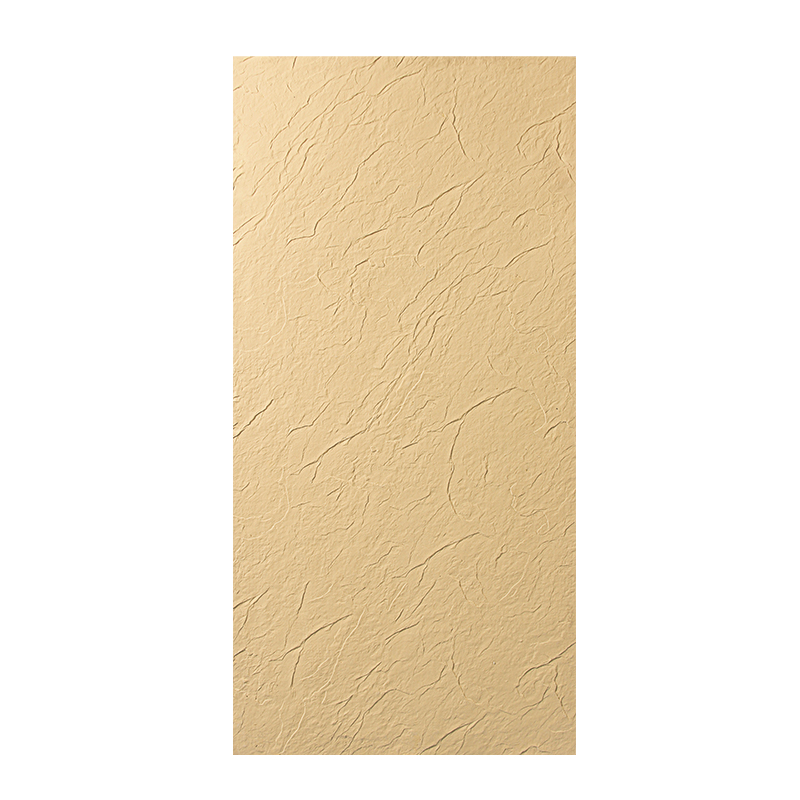
HAINING COMMERCE IMP& EXP CO., LTD.'s Contemporary Ribbed WPC Panel for Seamless Wall Coverings offers a modern and durable interior solution. These panels combine the natural aesthetic appeal of wood with the predominant performance of plastic composite, resulting in a product that is highly resistant to moisture, mold, and wear, making it ideal for a variety of indoor environments.