English
  русский
  عربى
عربى 
In the competitive market of interior and light construction cladding, PS Wall Panel solutions, fabricated from polystyrene, present a distinct set of characteristics that define their place in the industry. These panels are engineered to balance functionality, aesthetics, and cost, catering to specific segments of the building trade. A clear understanding of the PS Wall Panel profile requires examining its core strengths, the primary categories of its application, and the inherent limitations that guide its appropriate use.
What Are the Core Advantages?
The appeal of the PS Wall Panel is anchored in several practical benefits. Its many notable feature is its low density, resulting in a very lightweight product. This makes PS Wall Panel units exceptionally easy to handle, transport, and install, often requiring only basic tools and adhesive for fitting, which can reduce labor time and costs on projects. The material also offers inherent thermal insulation properties, contributing to improved energy efficiency in buildings where it is applied. From a design perspective, PS Wall Panel products are highly versatile, available in a wide array of finishes that convincingly mimic wood grain, stone, or textured patterns, and come in numerous colors. This allows for significant aesthetic customization at a moderate price point. Furthermore, many PS Wall Panel products are noted for low volatile organic compound (VOC) emissions and are recyclable, aligning with growing preferences for sustainable building materials.
What Are the Mainstream Application Categories?
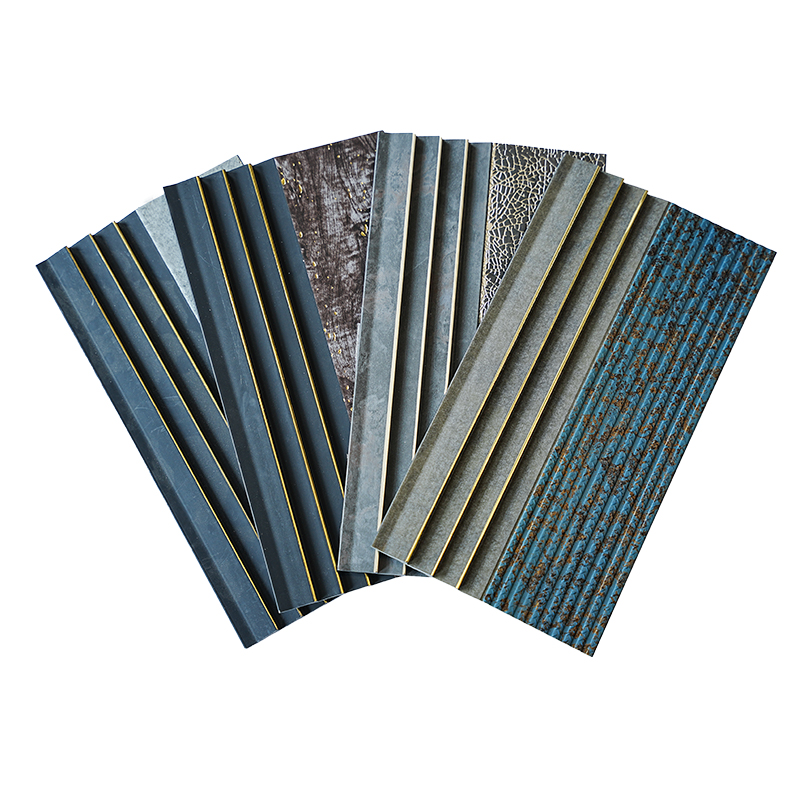
The use of PS Wall Panel systems falls into two broad, well-defined categories. The common is interior decorative cladding. In this role, PS Wall Panel is employed to create feature walls in residential living rooms and bedrooms, as well as in commercial spaces like hotels, retail stores, and offices. Here, the focus is on visual appeal and rapid renovation, with panels often designed in modern 3D geometric patterns or traditional shiplap profiles. The second major category is in lightweight construction for non-structural applications. This includes use as interior partition infill or as a component in signage and display fabrication. In these cases, the PS Wall Panel provides a rigid, smooth surface that is easy to work with and finish, serving functional rather than load-bearing purposes. Its application is generally not recommended for areas requiring structural integrity or exposure to the exterior elements.
What Are the Primary Limitations?
The specific properties of polystyrene also define the boundaries for PS Wall Panel use. A key consideration is impact resistance; the material can be prone to denting or cracking upon sharp or heavy impact, making it less suitable for high-traffic corridors or spaces prone to physical contact. Its performance in moist environments is also a factor; while resistant to moisture absorption in the short term, prolonged exposure to high humidity or direct water can compromise its integrity, limiting its ideal use in certain bathrooms or basements without additional protective measures. Perhaps the many critical limitation is combustibility. Polystyrene is a flammable material, and while fire-retardant grades of PS Wall Panel exist, they must be carefully selected and installed in compliance with strict local building codes, particularly in commercial or public buildings where fire safety regulations govern material choices.
The future for PS Wall Panel technology lies in addressing these limitations through material science. Research is ongoing to enhance surface hardness for greater durability, improve moisture resistance through advanced coatings, and develop new composite formulas with better inherent fire performance. As the industry continues to demand materials that are both economical and capable, the evolution of the PS Wall Panel will focus on expanding its suitability while maintaining the lightweight, cost-effective, and design-friendly advantages that have established its current market niche.
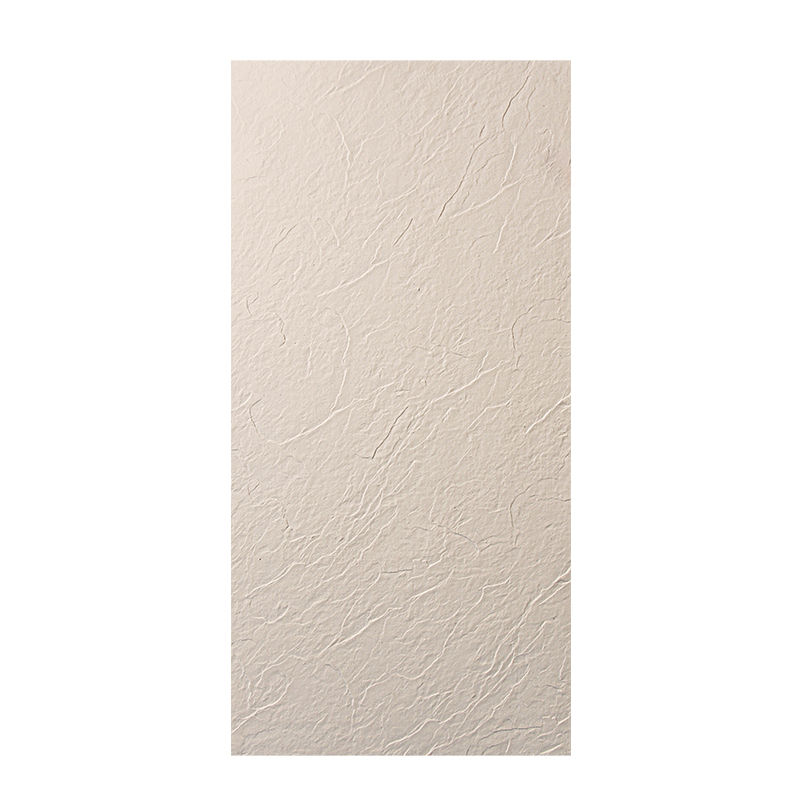
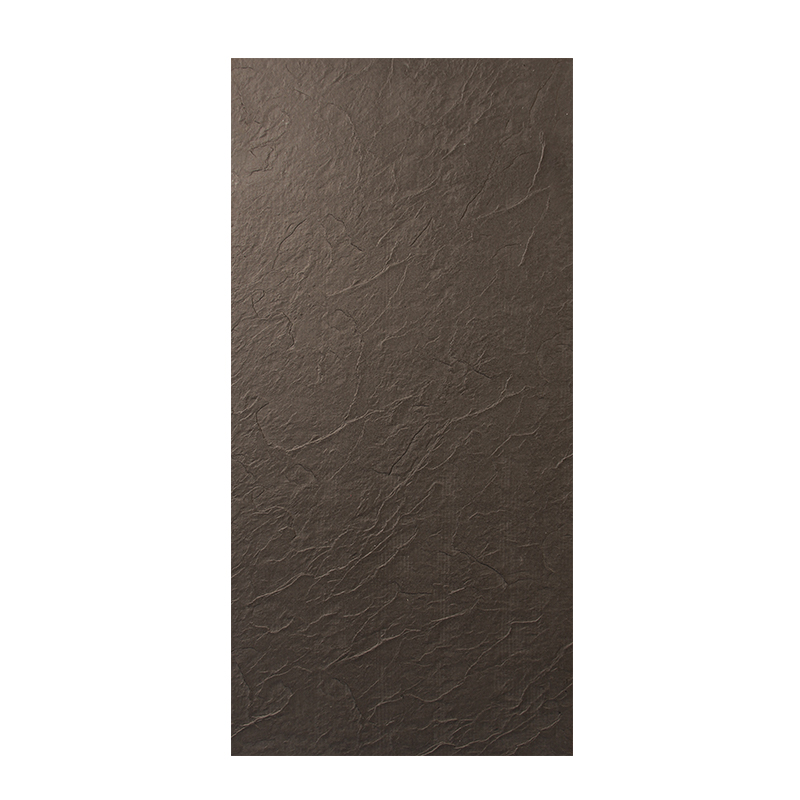
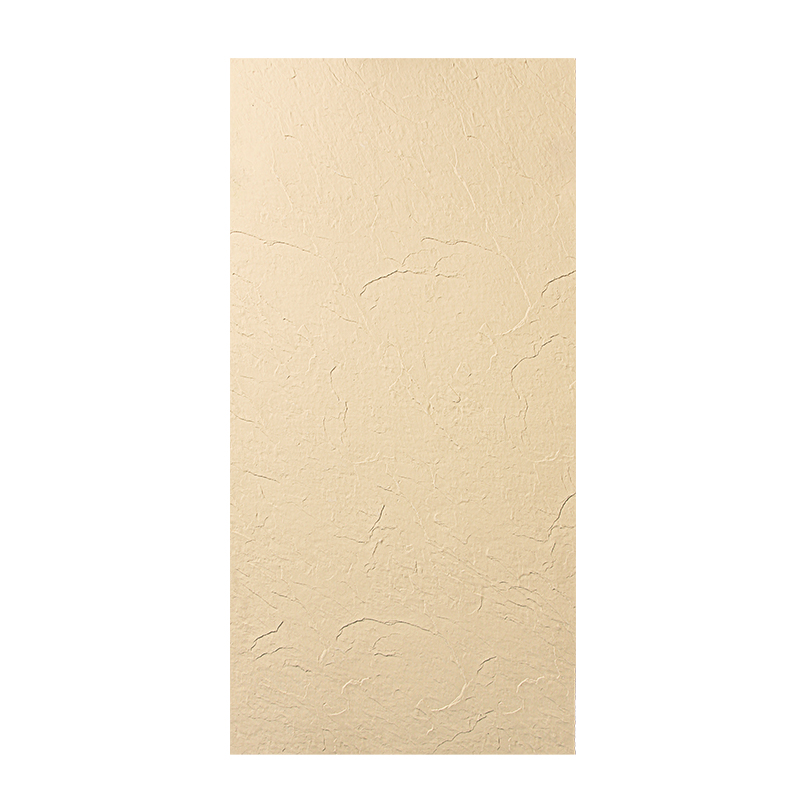
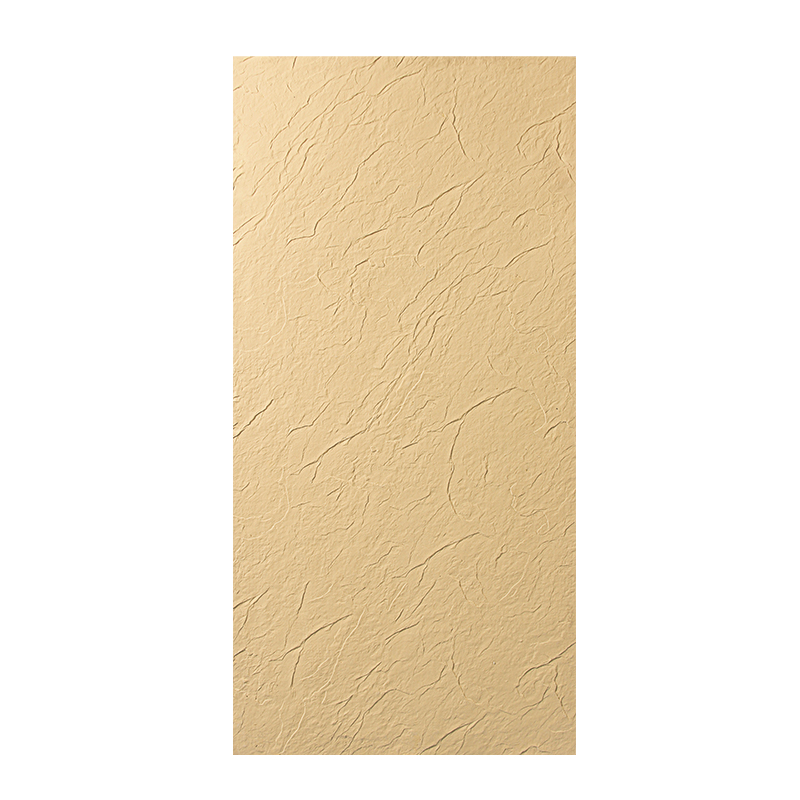
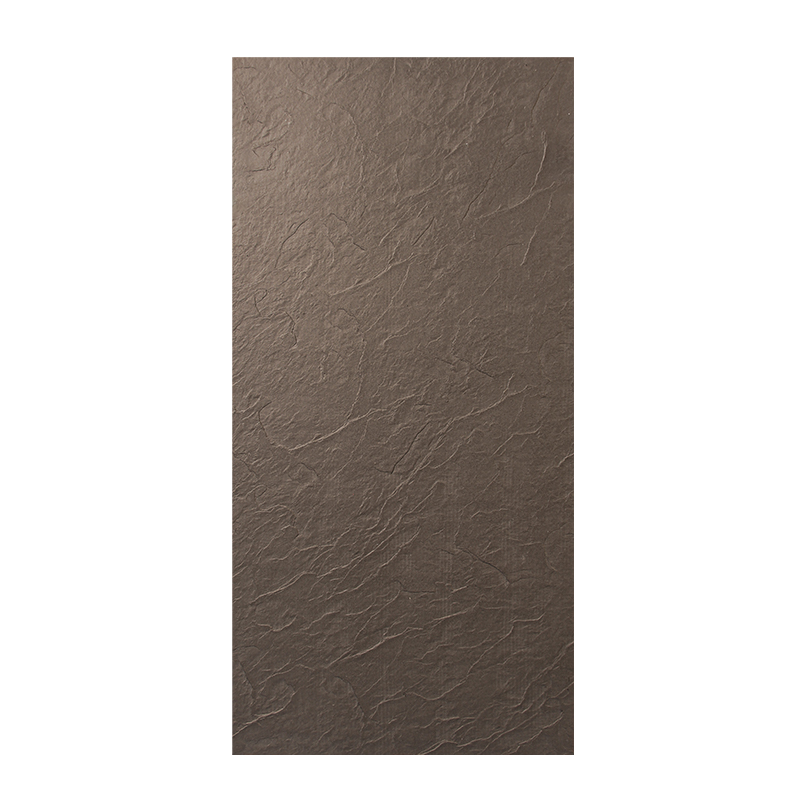
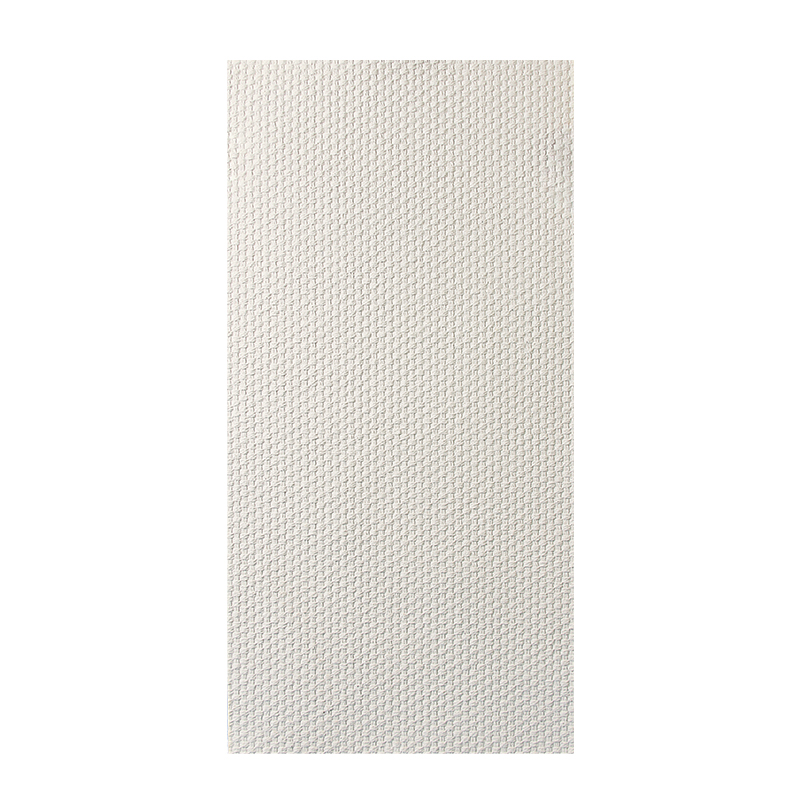
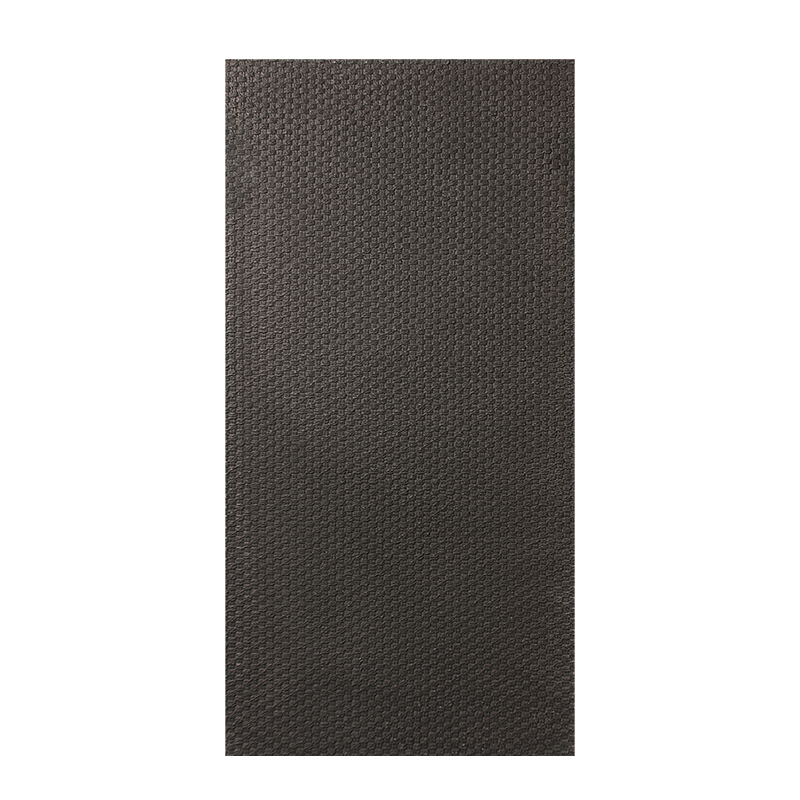
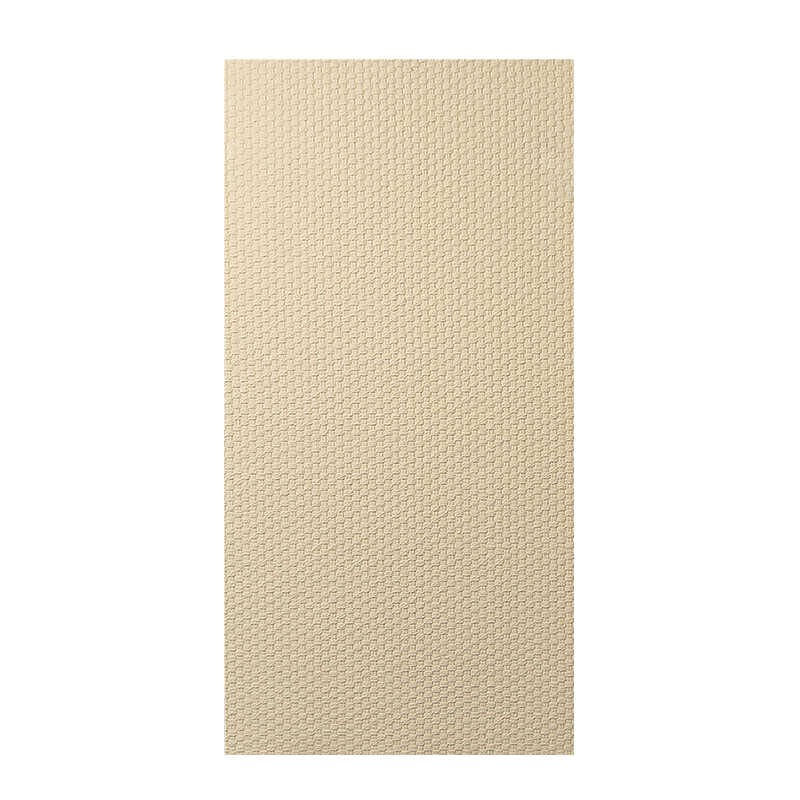
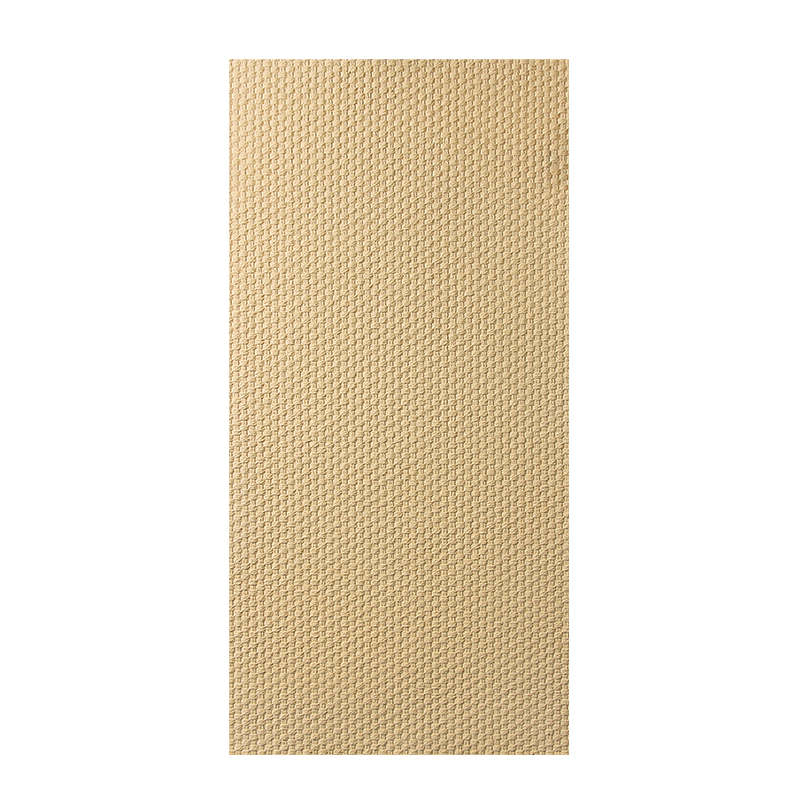
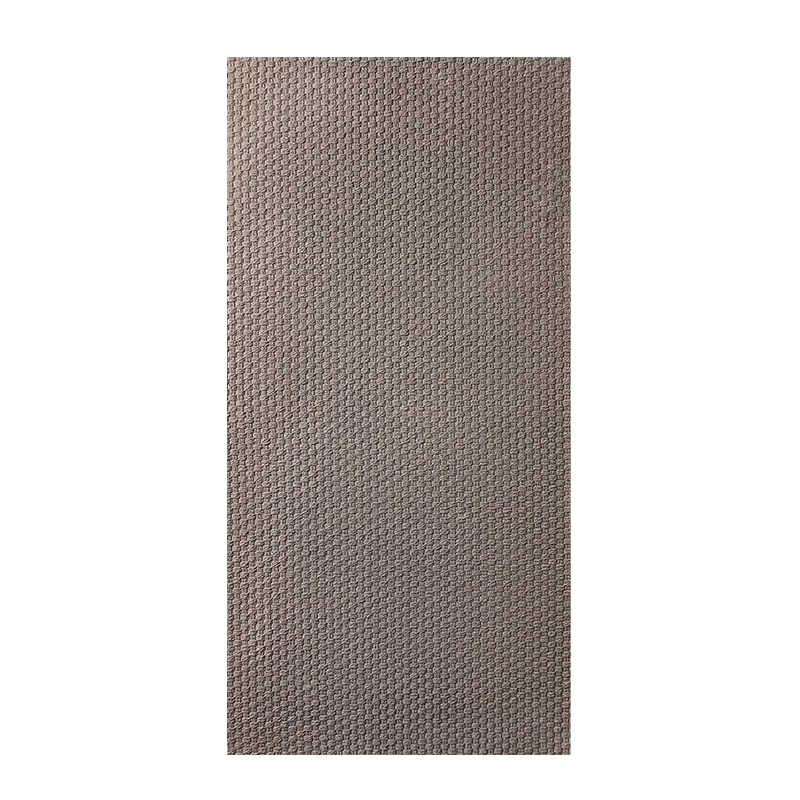
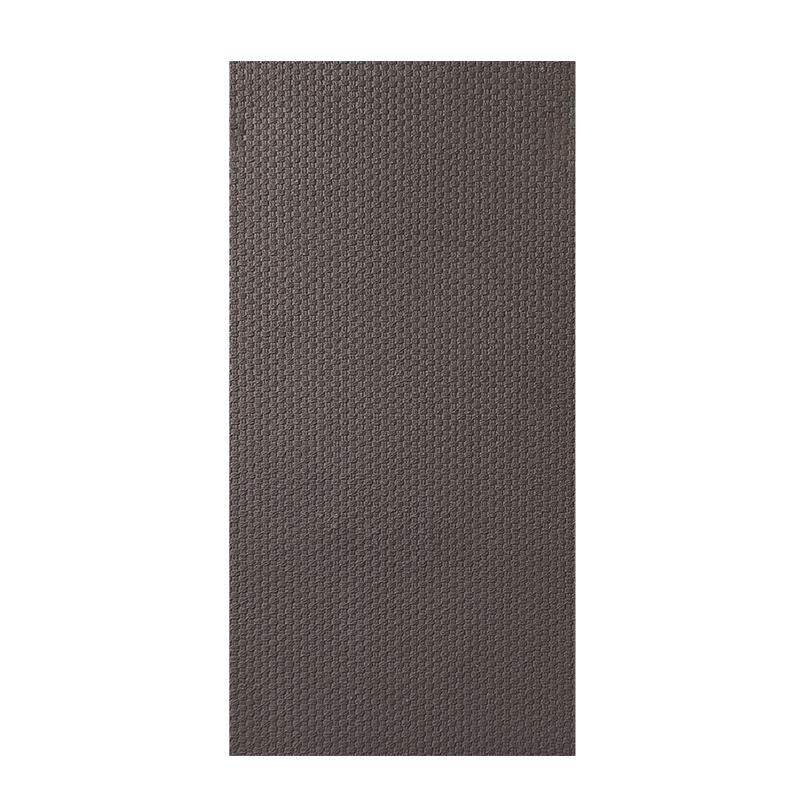
For adding depth and luxury to modern interiors, consider the Elegant Textured PS Wall Panels For Modern Luxury Interiors from HAINING COMMERCE IMP& EXP CO., LTD. These panels, crafted from polystyrene (PS), feature sophisticated 3D textures, such as geometric patterns or subtle linear grooves, that create visual interest and shadow play. Their lightweight nature allows for easy installation on feature walls, ceilings, or room dividers. The panels are primed and ready for painting, enabling customization to match any luxury color scheme. Offering an affordable yet high-impact way to achieve a custom, designer look, they are superb for elevating living rooms, bedrooms, or commercial spaces.