English
  русский
  عربى
عربى 
The foam skirting PS market has emerged as a growing segment within the building materials industry, offering contractors and homeowners a lightweight, water-resistant alternative to traditional wood or MDF baseboards. The foam skirting PS product category utilizes polystyrene foam as its core material, manufactured through extrusion processes that create durable yet easy-to-install decorative trim. Market data indicates that the foam skirting PS segment has experienced steady demand growth of approximately 7 to 9 percent annually over the past three years, driven by increased awareness of its moisture resistance and installation efficiency. The foam skirting PS market benefits from shifting consumer preferences toward low-maintenance building materials that perform reliably in humid environments such as bathrooms, kitchens, and basements.
What Is the Current Market Status of Foam Skirting PS?
The foam skirting PS industry has established a significant presence in both residential and commercial construction sectors. Global market estimates place the foam skirting PS segment at approximately 450 to 500 million dollars in annual sales, with production concentrated in manufacturing hubs across China, particularly in Zhejiang, Jiangsu, and Shandong provinces. Export data indicates that foam skirting PS shipments from these regions have increased by approximately 25 percent over the past two years, with major destinations including North America, Europe, and Southeast Asia. The foam skirting PS market benefits from its cost advantage over solid wood products, with foam alternatives typically priced 30 to 40 percent lower than comparable wood baseboards.
What Are the Core Product Lines in Foam Skirting PS?
The foam skirting PS category encompasses several product configurations designed for different aesthetic and functional requirements. Standard foam skirting PS profiles include flat designs for contemporary interiors, ogee profiles for traditional settings, and stepped or multi-level patterns for decorative applications. Length options for foam skirting PS products generally include 2.4 meter and 2.9 meter sections, accommodating standard wall dimensions with small joining. Surface treatments on foam skirting PS products vary from primer-coated finishes ready for painting to pre-finished white surfaces that install directly without additional work. Color consistency in pre-finished foam skirting PS has improved significantly, with modern manufacturing achieving color variation of less than 1.5 Delta E across production batches.
What Is the Market Positioning of Foam Skirting PS?
The foam skirting PS market positions itself between economy-grade PVC products and premium wood moldings, offering a balance of performance and affordability. In residential applications, foam skirting PS targets homeowners undertaking kitchen or bathroom renovations who require moisture-resistant materials that match the appearance of painted wood. The commercial segment positions foam skirting PS as a practical choice for hotels, medical facilities, and educational buildings where maintenance costs and durability matter more than material authenticity. The foam skirting PS market continues to benefit from the global trend toward moisture-resistant building materials, as climate patterns and construction practices increasingly address humidity-related building failures.
The foam skirting PS market appears positioned for continued expansion as builders and homeowners recognize the material's advantages in moisture-prone applications. Ongoing improvements in surface durability and fire resistance will likely expand foam skirting PS adoption in commercial projects.
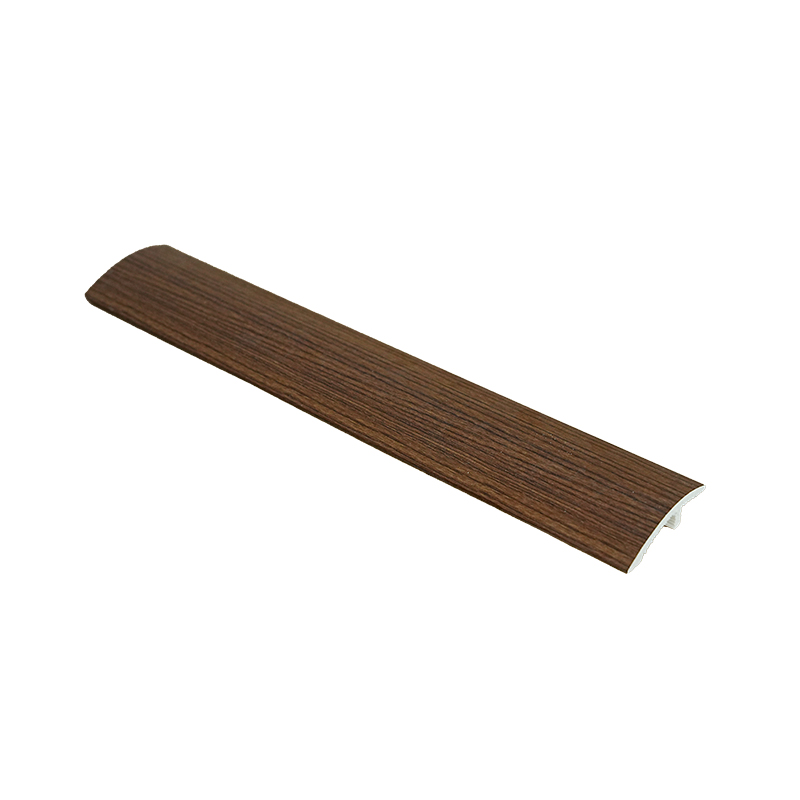
When selecting baseboards for high-moisture areas or renovation projects, HAINING COMMERCE IMP& EXP CO., LTD.'s Elegant Wood-Grain PS Skirting delivers the appearance of natural timber without the associated maintenance concerns. The PS foam core provides dimensional stability, preventing expansion or contraction with humidity changes, while the embossed wood-grain surface resists scratches and stains. Homeowners benefit from a skirting solution that requires no painting or sealing, retaining its finish through routine cleaning. The lightweight design also simplifies handling and cutting on site.