English
  русский
  عربى
عربى 
In the world of interior finishes, one material continues to draw attention from designers and project teams: the PS Panel Wall. Made primarily from polystyrene, this type of wall covering combines a solid core with surface treatments that create realistic patterns. Teams working on offices, retail spaces, hospitality areas, and multi-unit residential projects often turn to it when they need a finish that installs efficiently and holds up under regular use.
Material Composition and Surface Options
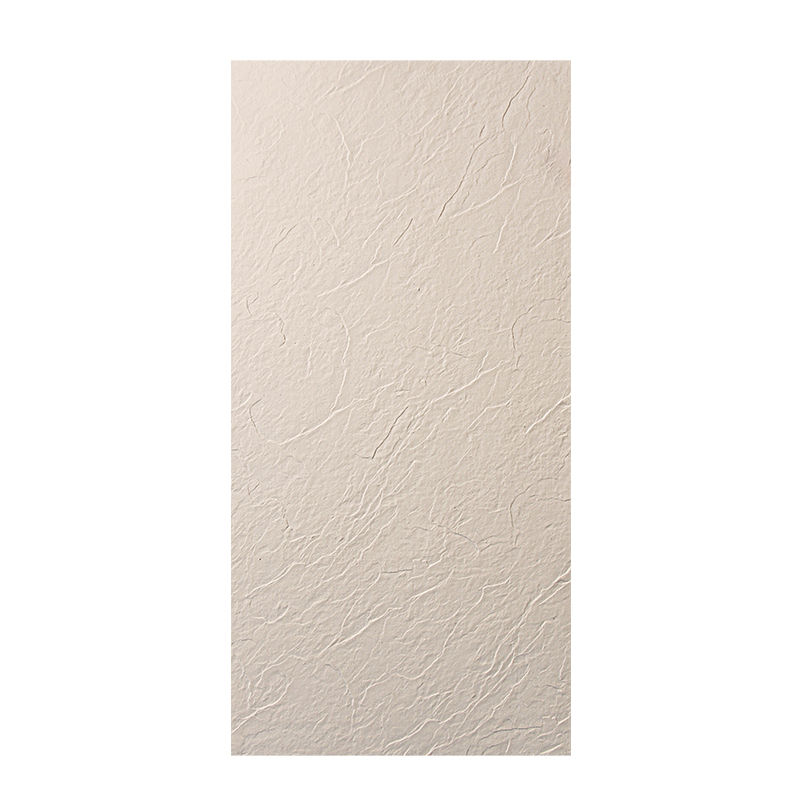
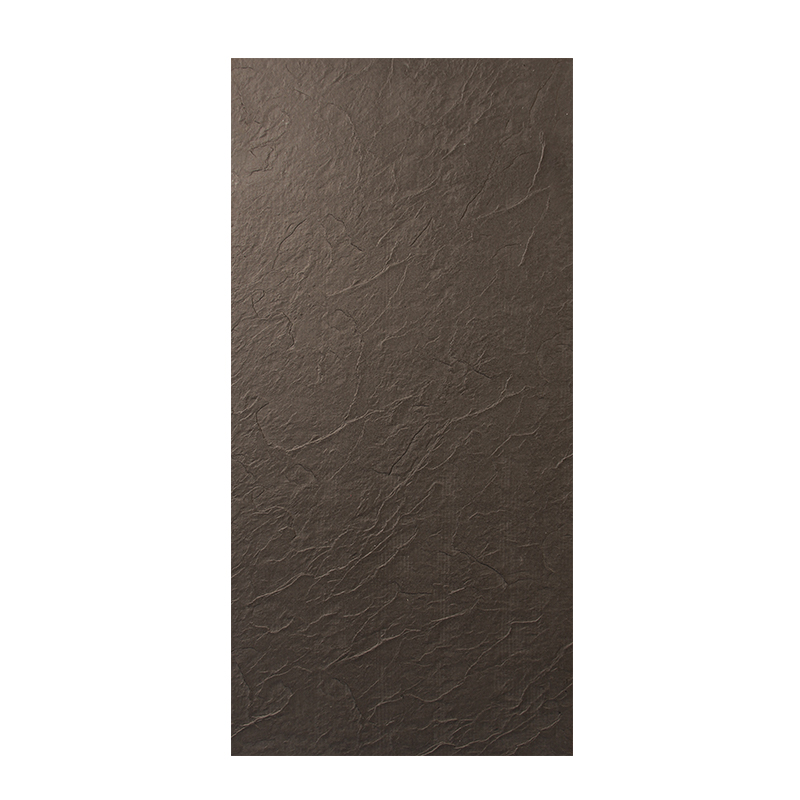
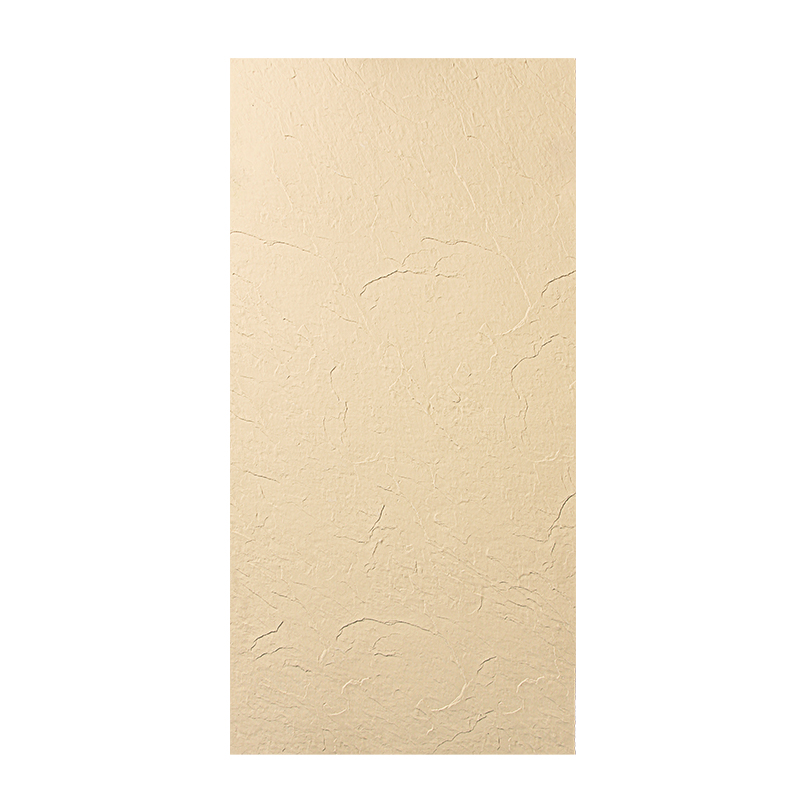
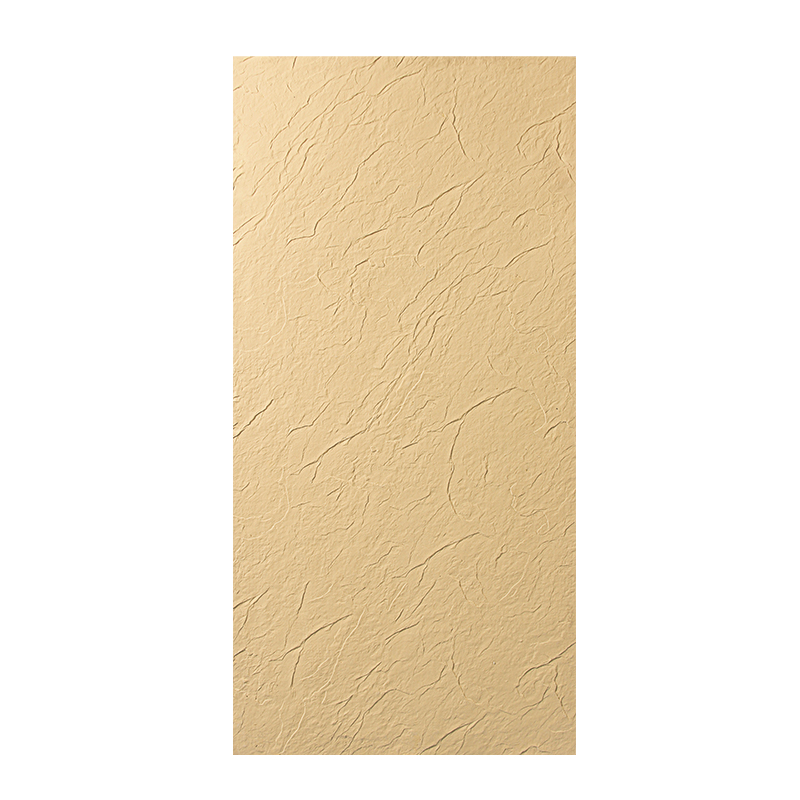
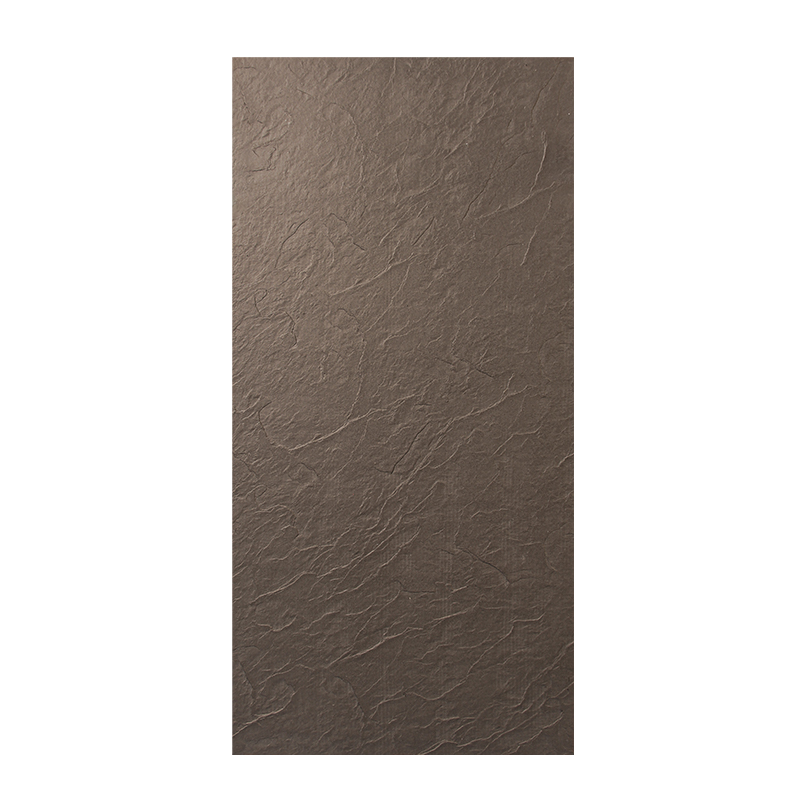
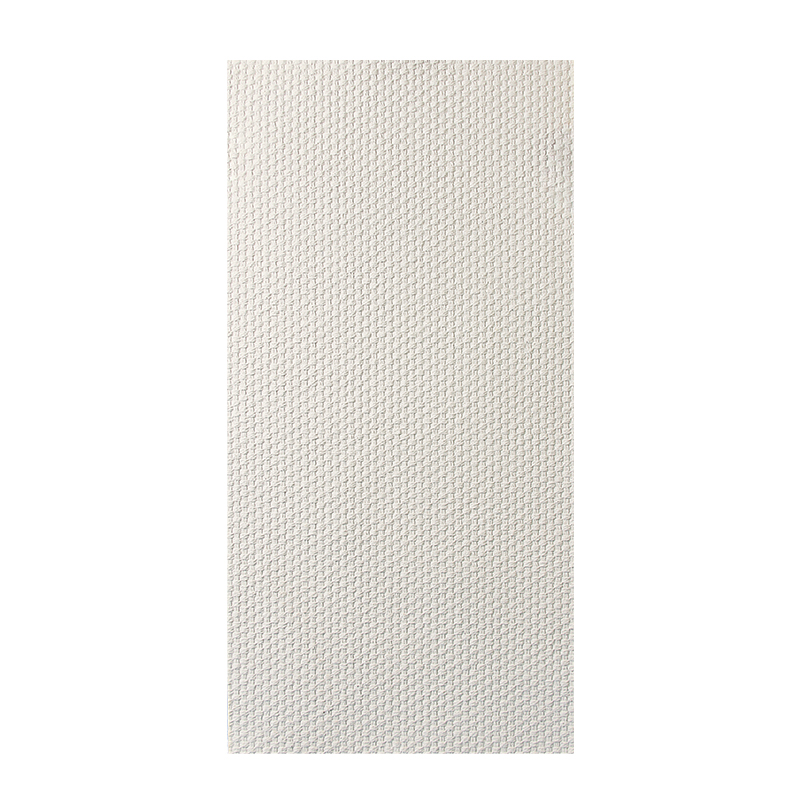
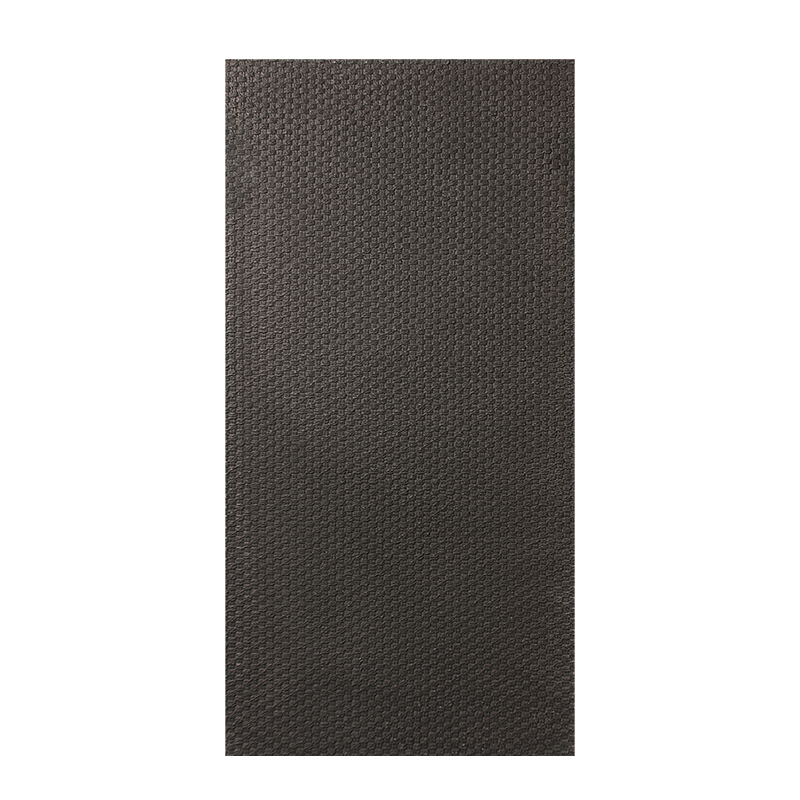
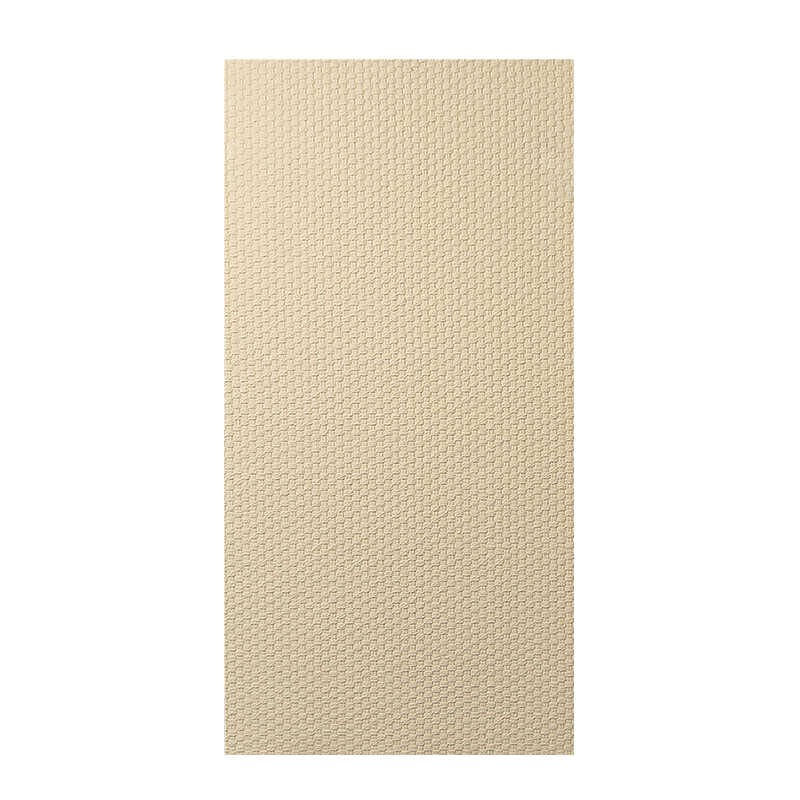
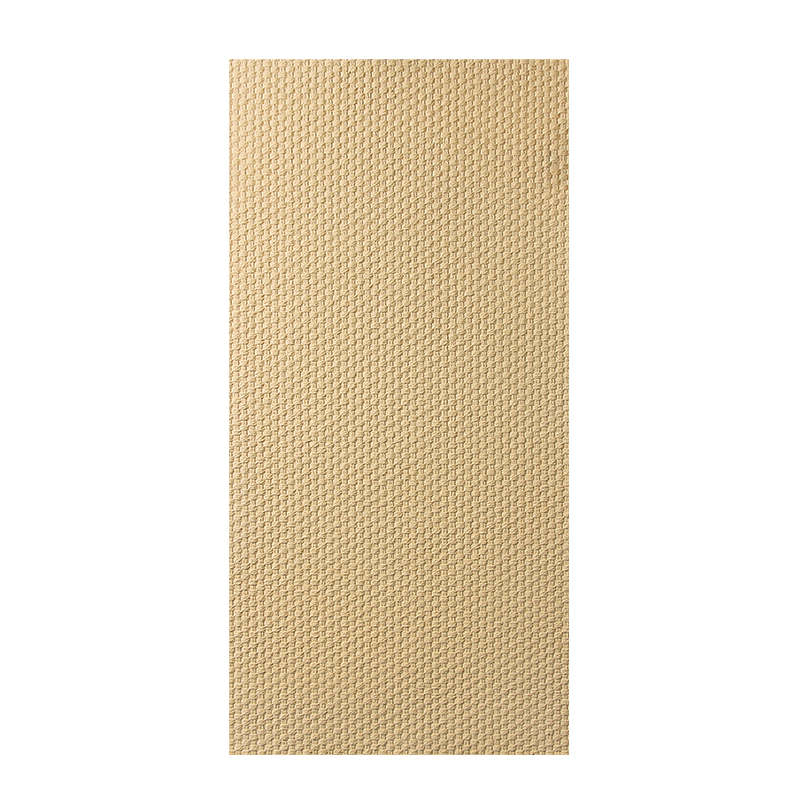
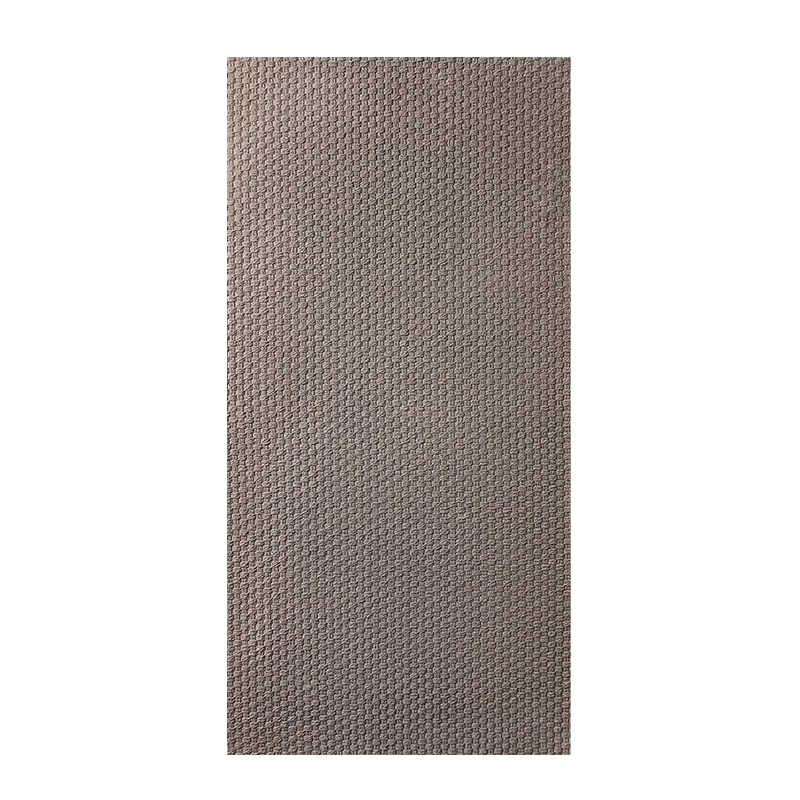
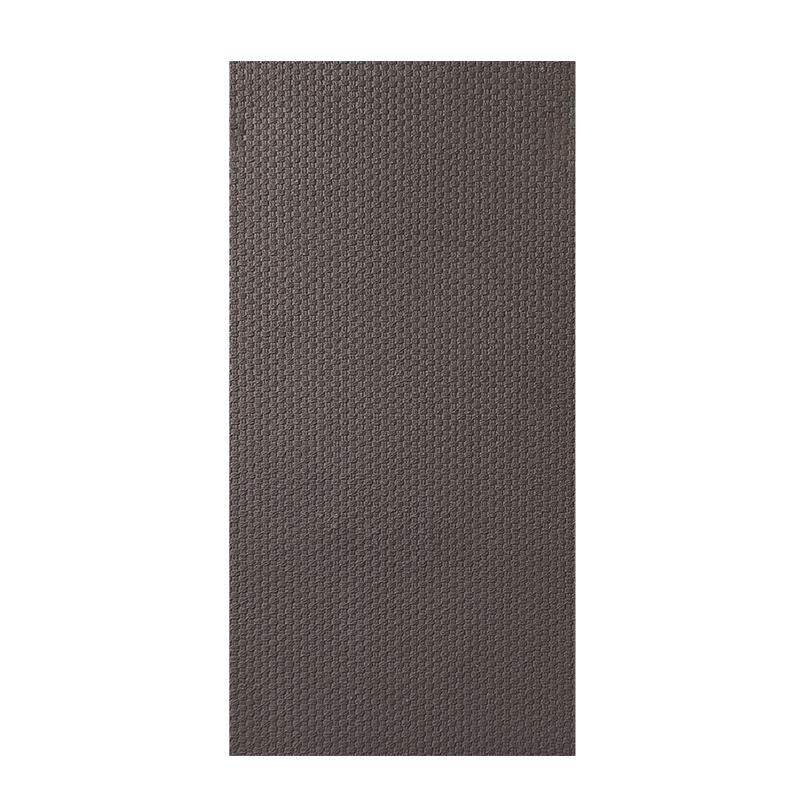
A typical PS Panel Wall starts with a polystyrene base that undergoes extrusion or foaming. The surface then receives high-definition printing followed by embossing. The result can look like wood grain, stone, fabric, or simple geometric lines. Because the texture is pressed into the material, the visual effect stays consistent across large areas. Designers appreciate the range of finishes available, from subtle matte tones to deeper profiles that add dimension without adding significant weight.
The panels themselves remain light. A standard sheet can be handled by one or two people, which simplifies logistics on busy job sites. Moisture resistance is another practical trait. The closed structure of the material does not absorb water the way some natural products do, making it suitable for areas with fluctuating humidity such as corridors near entrances or service zones.
Design Flexibility Across Project Types
Architects and interior specialists use PS Panel Wall in a variety of contexts. In commercial lobbies it can form accent walls that introduce texture without visual heaviness. In open-plan offices the same material may define zones or serve as a backdrop for branding elements. Hospitality projects often specify it for guest corridors or meeting rooms where durability and appearance both matter. Residential developers include it in common areas or unit feature walls when they want a consistent look across multiple units.
Because the panels come in different widths and profile depths, they adapt to both large-scale applications and smaller detail areas. Vertical or horizontal orientation further expands the visual possibilities. When combined with complementary lighting or trim, a PS Panel Wall can shift from understated to more pronounced depending on the overall concept.
Performance Characteristics Worth Noting
Beyond appearance, several functional traits support wider adoption. The material maintains dimensional stability under normal indoor temperature ranges. It does not expand or contract dramatically with humidity changes, which helps joints stay tight over time. Sound absorption is modest yet useful in reducing echo in larger volumes. The surface hardness after finishing provides resistance to light scratching, supporting longer visual life in high-traffic zones.
Teams evaluating options often compare these traits against traditional paint systems, wallpaper, or heavier cladding. The combination of modest weight, moisture behavior, and installation speed frequently positions the PS Panel Wall as a practical middle path. It delivers a finished look without requiring specialized heavy equipment or extended site disruption.
Considerations for Successful Application
Successful use begins with proper surface assessment. Walls should be free of major protrusions and reasonably dry. Accurate measuring and cutting ensure clean edges at corners and openings. When adhesive is chosen, following the manufacturer’s recommended open time helps achieve full contact. Mechanical fastening benefits from consistent edge engagement so that the interlocking system performs as designed.
Lighting and adjacent materials also influence the final impression. A PS Panel Wall with deeper relief can cast interesting shadows under directional light, while flatter profiles integrate more quietly into the background. Selecting complementary colors or complementary textures nearby keeps the composition balanced.